
When it comes to strength training, the bench press is one of the most popular exercises. Whether you’re a beginner or an experienced lifter, understanding the weight of the bench press bar is crucial for tracking your progress. Have you ever wondered how much a bench press bar weighs? This simple yet essential piece of equipment has more nuances than you might think. In this article, we’ll break down everything you need to know about the weight of a bench press bar and how it can impact your training sessions.
The Standard Bench Press Bar Weight – The Basics
The most common bench press bar you’ll encounter in most gyms is the Olympic barbell. Weighing in at 45 pounds (20.4 kg), this bar is the standard for most lifters and is used for all sorts of strength training, including the bench press. It’s important to note that the 45-pound weight is typically for a standard Olympic barbell, which is 7 feet (2.13 meters) long and has a diameter of about 2 inches.
The standard Olympic barbell is designed to handle heavy loads and is the go-to barbell for most people because of its versatility and wide availability. The 45-pound weight is ideal for those progressing toward more serious lifting and helps establish a baseline for measuring strength.
However, not all bench press bars are the same, and the length and weight can vary. For example, training bars (used for beginners or warm-ups) are often shorter and lighter, typically around 33-35 pounds (15-16 kg). It’s essential to be aware of these differences to ensure you’re lifting the appropriate weight for your skill level.
Women’s Bench Press Bar – Lighter Options for Different Lifts
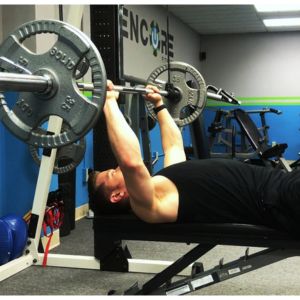
For those who may not yet be ready for a full 45-pound Olympic barbell, the women’s barbell offers a lighter alternative. Weighing 33 pounds (15 kg), the women’s barbell is 7 feet long, like the Olympic bar, but has a smaller diameter for easier grip. It’s particularly popular among women and beginners who need a bar that’s easier to manage while still working on form and technique.
The women’s barbell is a great option if you’re starting your strength training journey, as it allows you to focus on perfecting your form without being overwhelmed by the full 45-pound load. Additionally, using a lighter barbell helps prevent unnecessary strain on your muscles and joints as you build strength. Starting with a women’s barbell can provide the perfect stepping stone toward lifting heavier loads in the future.
Specialty Bench Press Bars – Understanding Variations
While the standard Olympic barbell and women’s barbell are the most common, there are other specialized bench press bars that cater to different lifting needs. These include training bars, powerlifting bars, and hex bars, each with its own weight and design features.
| Bar Type | Weight | Length | Diameter | Common Use | Ideal For |
|---|---|---|---|---|---|
| Standard Olympic Bar | 45 pounds (20.4 kg) | 7 feet (2.13 meters) | 2 inches (5 cm) | General weightlifting, including bench press | Experienced lifters, strength training |
| Women’s Olympic Bar | 33 pounds (15 kg) | 7 feet (2.13 meters) | 1.75 inches (4.4 cm) | Lighter alternative for bench pressing | Beginners, women, and those working on form |
| Training Bar | 15-20 pounds (7-9 kg) | 6-7 feet (1.83-2.13 meters) | 1.5 inches (3.8 cm) | Warm-ups, beginner training, light lifting | New lifters, warm-ups, improving form |
| Powerlifting Bar | 45 pounds (20.4 kg) | 7 feet (2.13 meters) | 2 inches (5 cm) | Powerlifting, strength training | Advanced lifters, powerlifting athletes |
| Hex Bar (for deadlifts) | 30-50 pounds (13.6-22.7 kg) | 6 feet (1.83 meters) | 2 inches (5 cm) | Deadlifts, alternative lifting exercises | Strength training, deadlift-focused workouts |
This table summarizes the key differences between the various types of bench press bars. Now, let’s dive deeper into the impact of the bar’s weight on your lifting experience.
Does the Weight of the Bench Press Bar Matter?
Absolutely! The weight of the bench press bar matters more than you might think. It’s not just about the weight plates you add to the bar; the bar itself contributes significantly to the overall load. For instance, if you’re tracking your strength gains, it’s essential to include the weight of the bar in your calculations to get an accurate measure of progress.
For beginners, underestimating the weight of the bar can lead to misjudging how much you’re actually lifting. It can affect your form, technique, and overall performance. Ensuring you account for the weight of the bar can help you gradually build your strength and avoid injuries.
Moreover, if you’re lifting on a lighter bar, you might be able to add more plates, giving the illusion of lifting more weight, but the reality is that the bar’s weight must be included in your calculations for an accurate measurement.
Fun Facts About Bench Press Bars
To lighten the mood, let’s dive into some fun facts about bench press bars:
>>The first bench press barbell was invented in the early 1900s, revolutionizing the way strength training was done and becoming a staple in gyms worldwide.
>>The Olympic barbell design has remained largely unchanged for over 50 years, a testament to its practicality and efficiency in the weightlifting world.
>>The bench press is one of the few lifts where the weight of the barbell plays a significant role in your progress, making it as important as the weight you add with plates.
>>Did you know the bench press world record for raw lifting is over 700 pounds? That’s more than 14 standard Olympic bars combined!
Conclusion
Understanding the weight of your bench press bar is crucial for your lifting journey. Whether you’re using a standard 45-pound Olympic bar, a 33-pound women’s bar, or a specialty powerlifting bar, knowing how much you’re lifting can have a significant impact on your progress and technique. Remember, it’s not just about adding plates; the weight of the bar itself plays an important role in achieving your fitness goals.
So, the next time you hit the gym, take a moment to consider the weight of the bar you’re using, and make sure it aligns with your training objectives. With the right equipment and a focused approach, you’ll be well on your way to achieving your bench press goals!