
Wood stoves have long been cherished for their ability to provide warmth and a comforting atmosphere, especially in the colder months. They are more than just functional heating devices; they become a central feature in the home, offering both utility and charm. If you’re considering installing a wood stove, one key factor that often goes unnoticed is its weight. Understanding the weight of a wood stove is crucial, as it affects not only the stove’s installation but also its heating efficiency, durability, and long-term performance.
But why does weight matter so much? A wood stove’s weight is directly tied to its material, size, and design. These factors influence its heat retention, ease of installation, and even your floor’s ability to support the stove. In this article, we will explore the different aspects that contribute to a wood stove’s weight and provide insights to help you make the best choice for your heating needs. We will break down the various types of wood stoves, explain how material choices impact weight, and guide you through the key considerations to ensure you pick the right stove for your home.
What Is A Wood Stove?
A wood stove is a specialized appliance designed to burn wood efficiently to generate heat for residential or other indoor spaces. Unlike an open fireplace, which loses much of its heat through the chimney, a wood stove is a sealed, contained system that burns wood more completely and safely. The stove’s design ensures that heat is maximized and effectively distributed within the room.
Key Components of a Wood Stove:
- Firebox: This is the main compartment where the wood is placed and burned. The firebox’s size and shape directly impact how much wood can be loaded, and consequently, how long the stove can produce heat. Larger fireboxes can accommodate more wood and burn longer.
- Chimney or Flue: Wood stoves require a chimney or flue to vent out smoke and gases produced by the combustion process. This exhaust system is critical for safe operation and the stove’s overall efficiency.
- Air Intake System: The air intake controls the airflow into the stove, which influences the stove’s combustion efficiency. By regulating the oxygen supply, the stove burns wood more cleanly and efficiently, producing more heat while reducing emissions.
- Heat Exchanger: Some modern wood stoves feature a heat exchanger, a system that helps capture heat from exhaust gases and redirects it back into the room. This feature increases the stove’s heating efficiency by using heat that would otherwise be wasted.
Why Material Matters:
The materials used in a wood stove significantly affect its weight and performance:
- Cast Iron: Known for excellent heat retention, cast iron stoves absorb and radiate heat long after the fire has burned out. While they are heavier and take longer to heat up, they provide consistent warmth over time.
- Steel: Steel stoves are lighter, heat up faster, and offer more affordable options. However, they don’t retain heat as effectively as cast iron, meaning they cool down quicker after the fire has gone out.
- Soapstone: Soapstone stoves are particularly known for their superior heat retention properties. The dense nature of soapstone allows it to absorb heat for long periods, making these stoves ideal for keeping a room warm for hours after the fire has died. However, the material is heavier, adding more weight to the stove.
Each material contributes differently to the stove’s weight and efficiency, influencing your decision depending on your heating needs.
Types of Wood Stoves
Wood stoves are available in several types, each with its unique characteristics. The stove you choose will depend on your needs—whether you’re prioritizing heat retention, quick heating, or a combination of both. Here’s a breakdown of the different types and their typical weight ranges:
1. Traditional Cast Iron Stoves
- Weight: Typically 300 to 600 pounds (136 to 272 kg).
- Properties: Cast iron is prized for its excellent heat retention. It retains heat for long periods, even after the fire has died down. This is perfect for consistent warmth throughout the night or day.
- Structure: Cast iron stoves are typically made from a single, molded piece of metal, giving them a solid, durable structure. Their intricate designs often include ornate patterns, making them a beautiful addition to any room.
- Ideal For: Those who want a stove that retains heat for extended periods and appreciate the classic, vintage appearance of cast iron.
2. Steel Stoves
- Weight: Typically 100 to 300 pounds (45 to 136 kg).
- Properties: Steel stoves heat up quickly but don’t retain heat for as long as cast iron or soapstone models. They are ideal for homeowners who need rapid warmth in a short amount of time.
- Structure: Made from welded steel plates, steel stoves are generally more compact and lighter than cast iron stoves. They offer a sleek, modern look and are typically easier to install.
- Ideal For: Homeowners seeking a more affordable, lightweight option that heats up quickly but may require more frequent reloading to maintain warmth.
3. Soapstone Stoves
- Weight: Typically 500 to 800 pounds (227 to 363 kg).
- Properties: Soapstone stoves excel in heat retention, making them highly efficient at maintaining warmth long after the fire has burned out. They provide a steady and consistent heat source and are often preferred in colder climates.
- Structure: These stoves are built with a steel or cast iron frame and surrounded by soapstone panels. The weight of the soapstone material makes these stoves significantly heavier than steel options.
- Ideal For: People looking for long-lasting warmth without the need to reload wood frequently. Soapstone stoves are perfect for those who want a highly efficient, low-maintenance option.
4. Pellet Stoves
- Weight: Typically 200 to 500 pounds (91 to 227 kg).
- Properties: Pellet stoves burn compressed wood pellets, which are automatically fed into the stove’s firebox. These stoves are more efficient than traditional wood stoves and offer the convenience of automated fuel feeding and thermostat control.
- Structure: Typically made from steel, these stoves feature a hopper and an automated feeding system, requiring electricity to run. While convenient and environmentally friendly, they may not have the same aesthetic charm as traditional wood-burning stoves.
- Ideal For: Homeowners looking for a modern, low-maintenance heating option with the added benefit of automated fuel feeding.
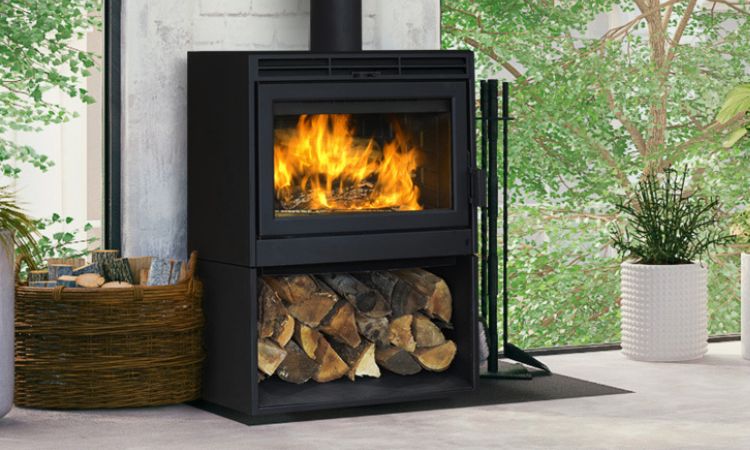
How Much Does A Wood Stove Weigh?
The weight of a wood stove can vary greatly depending on the material, size, and design. Typically, a wood stove will fall into one of three categories:
- Small Stoves: These stoves typically weigh between 100 and 300 pounds (45 to 136 kg). They are best suited for smaller homes, cabins, or spaces that require supplemental heating. Smaller stoves are also easier to install and move, which is ideal for those who need flexibility in placement.
- Medium Stoves: These range from 300 to 600 pounds (136 to 272 kg) and are designed for standard-sized homes or larger rooms. These stoves offer a balance of efficient heating and heat retention, making them suitable for most households.
- Large Stoves: Large wood stoves weigh over 600 pounds (272 kg). These are heavy-duty stoves designed to heat larger spaces or act as the primary heating source for large homes or cabins. Due to their weight, they often require professional installation.
Comparison Table: Wood Stove Weights
| Model | Type | Weight (lbs) | Weight (kg) | Heating Capacity | Features | Price Range | Material Used | Efficiency |
|---|---|---|---|---|---|---|---|---|
| US Stove 900 Sq. Ft. Logwood | Cast Iron | ~300 | ~136 | 900 sq. ft. | EPA certified, air-wash system | $599.99 | Cast Iron | High |
| Vermont Castings Defiant | Cast Iron | 500+ | 227+ | 1,300 – 2,800 sq. ft. | Wood burning & catalytic, heavy-duty | $3,000+ | Cast Iron | Very High |
| Pacific Energy Summit LE | Steel | 475 | 216 | 2,000 – 3,000 sq. ft. | Non-catalytic, high efficiency | $2,500+ | Steel | High |
| Drolet Escape 1200 | Steel | ~400 | ~181 | 250 – 1,200 sq. ft. | Affordable, compact design | $1,200+ | Steel | Moderate |
| Hearthstone Heritage | Soapstone | 535 | 243 | 900 – 1,600 sq. ft. | Long heat retention, stylish | $3,500+ | Soapstone | Very High |
Basics of A Wood Stove Weight
The weight of a wood stove is an important factor for several practical reasons:
- Heat Retention: Heavier stoves, such as those made from cast iron or soapstone, retain heat for longer periods. This means you’ll experience more consistent warmth throughout the day or night.
- Floor Support: Heavier stoves require a more substantial floor foundation. If you’re installing a heavy stove, particularly in older homes, it’s essential to ensure the floor can support the weight of the stove. In some cases, reinforcement may be required.
- Installation: The weight of the stove also affects installation. While lighter stoves are easier to move and install, heavier stoves may require professional installation due to their bulk.
Factors Influencing A Wood Stove’s Weight
The weight of a wood stove can vary significantly based on several factors. These factors determine how much material is needed, the stove’s heat retention capabilities, and its overall efficiency. Below are the main elements that influence a wood stove’s weight:
1. Material
The material used in constructing a wood stove plays a crucial role in its weight. Cast iron and soapstone are denser materials, which results in a heavier stove. Cast iron stoves are particularly known for their ability to retain and radiate heat for a longer time. They provide excellent heat distribution but come with the drawback of being quite heavy, making them more challenging to move or install. Soapstone, while a bit softer than cast iron, is also denser and heavier, with the added benefit of better heat retention. Soapstone stoves can maintain heat for hours after the fire has gone out, making them highly efficient.
In contrast, steel stoves are lighter because steel is less dense than cast iron or soapstone. While they heat up more quickly, they tend to cool down faster as well. Steel is a common choice for more modern stoves that prioritize faster heating and a lighter weight for easier mobility and installation. While steel stoves are more convenient, they typically do not retain heat as efficiently as heavier materials like cast iron or soapstone.
2. Size
Size is one of the most straightforward factors affecting the weight of a wood stove. Larger stoves require more material, and thus, are heavier. A stove with a larger firebox is designed to accommodate more wood and burn for a longer period, which in turn adds mass. These larger stoves are typically used to heat bigger areas and can store more wood for extended heating sessions. Consequently, the increased surface area requires more robust construction and more material, all of which add weight.
Additionally, larger stoves often feature thicker walls and bigger chambers, which are necessary to withstand the higher temperatures associated with heating larger spaces. The larger the stove’s firebox, the more material is used in construction, resulting in a heavier unit.
3. Design
The design of the stove also contributes significantly to its weight. Features such as advanced insulation, catalytic converters, and complex air intake systems are common in high-end models and can add considerable weight. Insulation, for example, is used to improve the stove’s efficiency by reducing heat loss, but it often involves additional layers of material that make the stove heavier. Similarly, catalytic converters, which help in the secondary combustion of gases for cleaner burning, require additional components and materials that increase the stove’s weight.
Complex air intake systems, designed to optimize airflow and improve combustion efficiency, also add to the stove’s overall mass. The more intricate the design, the heavier the stove is likely to be. While these features may add weight, they also enhance the stove’s performance, offering better heat output and cleaner burns.
4. Heating Capacity
Stoves designed to heat larger spaces tend to be heavier. The primary reason for this is the need for a larger firebox and more material to maintain heat over an extended period. Larger stoves are designed to burn more wood at once, producing and storing more heat, which is essential for heating bigger homes or commercial spaces. As the stove needs to provide more heat, it generally requires a larger structure to accommodate that demand.
The larger firebox not only increases the stove’s size but also requires thicker walls and a more substantial construction to safely handle the increased heat. This leads to a heavier stove overall. Additionally, stoves with higher heating capacity may feature extra layers of insulation or double-walled designs to improve heat retention, which further adds to their weight.
Why A Wood Stove’s Weight Matters
The weight of a wood stove is critical for several practical reasons:
- Floor Strength: Heavier stoves require sturdier floors. For older homes, or homes with wooden floors, you might need to reinforce the area to safely support the stove.
- Heat Retention: Heavier stoves provide more consistent heat retention, reducing the need for constant reloading and offering a more stable indoor temperature.
- Portability: While heavier stoves offer excellent heat retention, they are more difficult to move and install. Lighter stoves, however, are easier to handle and can be relocated more easily.
What to Consider While Choosing A Wood Stove
When choosing a wood stove, there are several critical factors to consider. These factors can help you select a stove that meets your heating needs, fits your home, and offers long-term efficiency. Below is a detailed guide on what to consider when selecting a wood stove:
1. Heating Needs
The most important factor when choosing a wood stove is determining whether it can adequately heat the space you intend to use it for. The size of the stove should be appropriate for the size of the room or area you want to heat. Larger homes or open-plan spaces require a larger stove with a bigger firebox to produce enough heat. These stoves typically have a higher BTU (British Thermal Unit) output, which is the measure of heat energy produced.
In contrast, smaller stoves are ideal for compact areas such as small rooms or cabins. A smaller stove uses less fuel and is more efficient for heating smaller spaces without overproducing heat, which can lead to excessive heating costs. Always make sure to match the stove’s heating capacity with the square footage of the area you plan to heat. Manufacturers usually provide specifications about the stove’s heating range to help you choose the right size.
2. Material
The material used to construct the wood stove significantly impacts its heat retention properties and the stove’s overall durability. Cast iron and soapstone stoves are typically heavier and retain heat for a long time, making them great options for continuous heat over extended periods. Cast iron is particularly known for its even heat distribution and longevity. These stoves are ideal for people who want a stove that will keep their home warm long after the fire has gone out.
Soapstone, another dense material, is excellent at absorbing and storing heat. It releases heat gradually, making it a fantastic choice for those looking for consistent warmth throughout the day or night. However, the downside is that these stoves are heavy and may take longer to heat up initially.
On the other hand, steel stoves are lighter and heat up quickly, which makes them perfect for homes that need rapid heat. However, steel stoves tend to cool down faster than cast iron or soapstone. If you need a stove that offers immediate heat with less concern for long-term heat retention, a steel stove might be the best option.
3. Floor Support
Another important consideration when selecting a wood stove is ensuring that your floor can support its weight, especially if you choose a stove made from heavy materials like cast iron or soapstone. Some stoves can weigh several hundred pounds, and it is essential that your floor is structurally capable of supporting this weight, particularly in homes with wooden floors.
It’s a good idea to consult a structural engineer or contractor to make sure your floor is reinforced or appropriately designed to bear the weight of a heavy stove. If you’re placing the stove in an area with a concrete foundation, you won’t need to worry as much about floor support, but if the stove is going in a second-story room or a space with a less sturdy foundation, ensuring proper support is crucial.
4. Fuel Efficiency
Fuel efficiency is a vital consideration when selecting a wood stove. Higher-efficiency models will use less wood and produce more heat, ultimately saving you money on fuel costs over time. Look for stoves with high-efficiency ratings, as these will not only reduce the amount of fuel you need but also lower your environmental impact by reducing emissions.
Stoves that are EPA (Environmental Protection Agency) certified or have secondary combustion systems are designed to burn wood more thoroughly, reducing smoke and harmful pollutants. These stoves offer cleaner burns and are more energy-efficient, making them a great choice for both cost-conscious and environmentally-conscious homeowners.
5. Budget
The budget is a critical factor when choosing a wood stove. While some stoves may seem expensive upfront, it’s important to consider both the initial cost and the long-term operational costs, including fuel, installation, and maintenance. Cast iron and soapstone stoves tend to be more expensive due to the materials and craftsmanship involved, while steel stoves are generally more affordable.
In addition to the stove’s cost, installation can add significantly to the overall price. The installation may require modifications to your home, such as a new chimney or stovepipe, which can increase costs. Maintenance is another factor to consider, as wood stoves require periodic cleaning and servicing to ensure they remain safe and efficient.
Don’t forget to factor in ongoing fuel costs as well. Stoves that are more fuel-efficient can save you money in the long run by reducing the frequency of wood purchases.
How Much Does A Wood Stove Cost?
The cost of a wood stove can vary widely depending on the type, material, brand, and features:
- Type: Cast iron and soapstone stoves tend to be more expensive due to their durability and superior heat retention properties.
- Brand: Premium brands such as Vermont Castings and Hearthstone offer high-quality stoves with advanced features, making them more expensive.
- Features: Additional features like catalytic converters, thermostats, and larger fireboxes can increase the stove’s price.
Generally, prices range from $500 for basic steel models to over $5,000 for top-tier soapstone models.
Standard Dimensions/Height of a Wood Stove in Different Regions
Wood stove dimensions can vary, and in some regions, the height of stoves is different:
- North America: Heights typically range from 24 to 32 inches (61 to 81 cm).
- Europe: Soapstone stoves tend to be taller, with a height range of 30 to 36 inches (76 to 91 cm).
- Asia: Smaller stoves may be more common, with heights ranging from 20 to 28 inches (51 to 71 cm).
Applications and Uses of A Wood Stove
Wood stoves serve a variety of purposes:
- Home Heating: Primary or secondary heating source for homes, providing consistent warmth.
- Cooking: Many wood stoves feature cooktops or built-in ovens for cooking, particularly in off-grid or rural homes.
- Outdoor: Smaller portable models are ideal for camping, cabins, or additional heat in sheds and workshops.
How To Choose A Wood Stove Based on Weight
When selecting a wood stove, consider the following:
- Space: Choose a stove that suits the space you want to heat. Lighter stoves are better for small spaces, while larger stoves are suitable for bigger areas.
- Floor Support: Ensure your floor can support the stove’s weight, especially for cast iron or soapstone models.
- Efficiency: Heavier stoves tend to retain heat longer, which means less wood is needed and the stove can operate more efficiently.
How Much Does A Wood Stove Hold?
The firebox size determines how much wood a stove can hold:
- Small Stoves: Typically hold 1 to 1.5 cubic feet of wood.
- Medium Stoves: Typically hold 1.5 to 3 cubic feet.
- Large Stoves: Can hold 3 cubic feet or more.
Conclusion
The weight of a wood stove plays a significant role in determining its installation requirements, heating efficiency, and long-term performance. By considering the material, size, heating capacity, and weight, you can make an informed decision that suits both your heating needs and your home’s requirements. Whether you need a lightweight stove for a small cabin or a heavy-duty model for a large home, understanding the stove’s weight is key to ensuring that your investment meets your needs.
Fun Facts
- Wood stoves were used as the primary heating source in homes long before central heating was invented.
- The first cast iron stoves were developed in the early 1700s, changing the way people heated their homes.
- Some modern wood stoves are so efficient they can burn up to 90% of the fuel, making them eco-friendly!
- Soapstone stoves have the unique ability to store heat for hours, keeping your home warm long after the fire has gone out.
- Many wood stoves are made from recycled steel, making them a sustainable choice for eco-conscious homeowners.
- The heat produced by a wood stove can be used to cook food, making it a dual-purpose appliance!
- Some wood stoves have an old-fashioned “fireview” feature, allowing you to enjoy the flames from the comfort of your home.