
A crew neck sweatshirt is an essential wardrobe piece that seamlessly blends comfort, versatility, and warmth. Its practical design makes it a go-to for many, whether you’re layering it during chilly weather, lounging at home, or running errands on a cold day. However, one often overlooked aspect when choosing a sweatshirt is its weight, which significantly affects the garment’s feel, functionality, and performance. The weight of a crew neck sweatshirt plays a role in determining how warm it will keep you, how comfortable it is to wear, and how long it will last under daily use.
The weight of the sweatshirt directly correlates with the fabric used in its construction, its thickness, and even the brand’s design choices. Lighter sweatshirts are perfect for warmer days and layering, while heavier options are essential for colder climates, providing warmth and insulation. In this article, we will explore all the factors that influence the weight of a crew neck sweatshirt, examine the different types based on fabric, weight, and intended use, and help you understand why the weight of your sweatshirt matters when making a purchase.
What Is A Crew Neck Sweatshirt?
A crew neck sweatshirt is a type of pullover garment known for its round, ribbed neckline that sits snugly around the base of the neck. It is designed without a hood or zipper, making it a simpler, more streamlined option compared to hoodies or zip-up jackets. Typically, crew neck sweatshirts are made from soft, breathable fabrics like cotton, polyester, fleece, or a combination of these materials. This simplicity, combined with its comfort and versatility, has made it a popular choice in casual and athletic wear for many years.
Key Features:
- Neckline: The signature round, ribbed crew neck provides a snug yet non-restrictive fit, making it comfortable for daily wear and movement.
- Material: Most crew neck sweatshirts are made from cotton, fleece, or polyester blends, providing a soft, durable, and insulating finish.
- Fit: Crew neck sweatshirts come in a variety of fits, from relaxed to oversized, allowing individuals to choose based on their style and comfort preferences.
- Versatility: These sweatshirts are extremely versatile, suitable for layering in colder weather or wearing on their own for a more casual look. They can be dressed up with the right accessories or kept simple for lounging.
Crew neck sweatshirts are a timeless and flexible wardrobe item. Whether paired with jeans for a casual day out or layered under a jacket for extra warmth, they provide a perfect balance of comfort, style, and functionality.
Types of Crew Neck Sweatshirts
Crew neck sweatshirts vary in terms of weight, material, and design, making them suitable for different seasons, climates, and activities. The most common types of crew neck sweatshirts include lightweight, midweight, and heavyweight options, each tailored for specific weather conditions or personal preferences.
1. Lightweight Crew Neck Sweatshirts
- Material: These sweatshirts are generally made from thin cotton or cotton-blend fabrics. Some models may include a touch of spandex or elastane for flexibility.
- Weight: Typically range from 6 to 8 ounces (170 to 227 grams).
- Ideal For: Light layering or wearing in milder weather conditions. These are great for transitional seasons, where the weather is neither too cold nor too warm.
- Properties: Lightweight sweatshirts are breathable, making them comfortable for active wear or casual outings. They offer a soft feel but provide only minimal warmth, making them ideal for those who need just a light cover-up.
2. Midweight Crew Neck Sweatshirts
- Material: Often constructed from cotton-polyester blends, these sweatshirts strike a balance between warmth and breathability. Some feature fleece linings for added comfort and softness.
- Weight: Generally weigh between 9 to 16 ounces (255 to 453 grams).
- Ideal For: Everyday wear in moderate weather conditions. These sweatshirts work well in autumn or spring when temperatures are unpredictable and layering is necessary.
- Properties: Midweight sweatshirts provide adequate insulation without feeling too bulky, making them versatile enough for both indoor and outdoor activities. They offer a comfortable balance of warmth and air circulation, making them ideal for casual use.
3. Heavyweight Crew Neck Sweatshirts
- Material: Heavyweight crew necks are typically made with thick fleece, brushed cotton, or a dense cotton-polyester blend for maximum warmth and durability.
- Weight: Start from 17 ounces (482 grams) and can exceed 24 ounces (680 grams) for extremely thick fabrics.
- Ideal For: Cold weather, outdoor activities, or lounging in cooler climates. These are perfect for winter months or anyone needing a sweatshirt that can provide significant insulation.
- Properties: Heavyweight sweatshirts are thick, soft, and incredibly warm, offering superior insulation. These sweatshirts are designed to withstand colder temperatures, making them a must-have for winter wear or anyone spending time outdoors during the colder months.
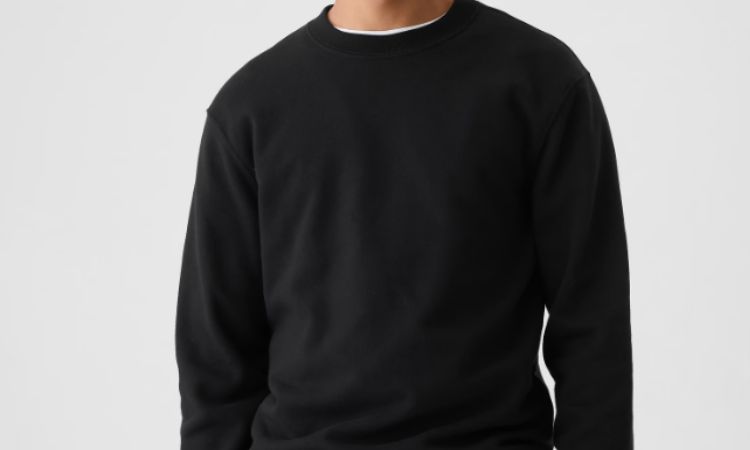
How Much Does A Crew Neck Sweatshirt Weigh?
The weight of a crew neck sweatshirt is influenced by several factors such as fabric choice, design, and size. As a general guideline, sweatshirts fall into the following weight categories:
- Lightweight Sweatshirts: These usually weigh between 6 to 8 ounces (170 to 227 grams). Lightweight sweatshirts are perfect for warmer temperatures or as a layering piece under jackets or coats. They are ideal for casual wear and offer flexibility without being too warm.
- Midweight Sweatshirts: Typically weighing between 9 to 16 ounces (255 to 453 grams), midweight sweatshirts provide the ideal balance of warmth and breathability, making them perfect for mild to cool weather. They are commonly used for everyday wear or as comfortable loungewear.
- Heavyweight Sweatshirts: These sweatshirts, designed for colder weather, can weigh anywhere between 17 ounces (482 grams) and more than 24 ounces (680 grams). They provide much-needed insulation during the winter months and are often made of thicker fabrics like fleece for added warmth and comfort.
The material used in the sweatshirt will also impact its weight. Cotton blends tend to be lighter compared to fleece, which can add more weight due to its thickness and softness. Sweatshirts from well-known brands like Gildan, Hanes, Champion, and American Apparel vary in weight based on their fabric content and intended purpose.
Comparison Table: Crew Neck Sweatshirt Weights
Here’s a comparison of popular crew neck sweatshirt models based on weight, material, features, and price:
| Brand & Model | Weight (oz) | Weight (kg) | Fabric Composition | Features | Price (USD) |
|---|---|---|---|---|---|
| Gildan Heavy Blend 18000 | 9.3 | 0.26 | 50% Cotton, 50% Polyester | Soft, comfortable, classic fit | $10 – $20 |
| Hanes EcoSmart Crewneck | 8.0 | 0.23 | 50% Cotton, 50% Polyester | Eco-friendly, affordable | $8 – $15 |
| Champion Reverse Weave | 16.0 | 0.45 | 82% Cotton, 18% Polyester | Premium quality, heavy-duty fabric | $50 – $70 |
| American Apparel Flex Fleece | 16.0 | 0.45 | 50% Polyester, 50% Cotton | Fashion-forward, premium feel | $40 – $60 |
| Bella+Canvas 3901 Unisex | 9.5 | 0.27 | 52% Airlume Combed & Ring-Spun Cotton | Lightweight, sustainable | $25 – $35 |
Basics of Crew Neck Sweatshirt Weight
The weight of a crew neck sweatshirt is essential for determining its warmth, comfort, and functionality. Understanding the basics of sweatshirt weight can guide you in selecting the perfect one for your needs:
- Warmth: Heavier materials such as fleece or brushed cotton are more insulating and keep you warm in colder weather.
- Fit and Comfort: The weight also affects how the sweatshirt feels against your skin. Heavier options might feel cozier and more substantial, while lighter ones offer more flexibility and breathability.
- Durability: Thicker fabrics, especially those used in heavyweight sweatshirts, tend to be more durable and resistant to wear and tear, making them long-lasting investments.
Choosing the right weight will ensure that your sweatshirt serves its intended purpose, whether that’s for layering, outdoor activities, or lounging comfortably at home.
Factors Influencing Crew Neck Sweatshirt Weight
The weight of a crew neck sweatshirt is influenced by several key factors that affect its fabric composition, design, size, and overall durability. Understanding these factors can help you make an informed decision when purchasing a sweatshirt that meets your needs, whether it’s for layering, lounging, or outdoor activities.
1. Fabric Composition
One of the most significant factors influencing the weight of a crew neck sweatshirt is the fabric used in its construction. Different materials naturally have different weight profiles:
- Cotton-Polyester Blends: Sweatshirts made from cotton and polyester blends are usually lighter. The cotton offers softness and comfort, while polyester adds durability and flexibility. However, when combined, these two materials result in a lighter sweatshirt, typically weighing between 6 to 8 ounces (170 to 227 grams) for lighter versions. This blend is often used in sweatshirts designed for warmer weather or for those who prefer breathable fabrics.
- Fleece or Brushed Cotton: On the other hand, sweatshirts made from 100% fleece or brushed cotton are much heavier. These fabrics are typically denser and offer greater insulation, which makes them ideal for colder climates. A fleece-lined crew neck sweatshirt can weigh anywhere from 16 ounces (453 grams) to 24 ounces (680 grams), depending on the thickness of the fleece or cotton. The heavier weight of fleece provides superior warmth and softness but makes it less breathable compared to lighter blends.
2. Fabric Thickness
The thickness of the fabric plays a direct role in the overall weight of a crew neck sweatshirt. Thicker materials require more fabric, which results in a heavier garment. Sweatshirts with additional padding, like those designed for colder climates, are often made from thicker fleece, adding to the weight. A thicker sweatshirt also offers better insulation, which is beneficial for outdoor activities or cold weather. On the contrary, thinner fabrics, often used in lightweight sweatshirts, provide less warmth but are better suited for layering and warmer conditions.
3. Size
The size of a crew neck sweatshirt also significantly affects its weight. Larger sweatshirts require more fabric to cover the body, resulting in an increased weight. For example, an extra-large (XL) or double-extra-large (2XL) sweatshirt will be heavier than a small (S) or medium (M) due to the larger amount of material used. This difference in weight is not only noticeable in the body but also in the length of the sleeves and the width of the sweatshirt. As you move up in size, expect a proportional increase in weight, especially if the sweatshirt is made from thicker or denser materials.
4. Brand and Design
Different brands design their sweatshirts with varying levels of durability, comfort, and functionality. Some brands, like Champion, are known for their Reverse Weave sweatshirts, which are made with extra-dense fabrics for superior durability and longevity. These sweatshirts tend to be heavier because the fabric is woven more tightly, providing added strength and resistance to wear and tear. Such design choices increase the overall weight but offer greater durability and long-term use, particularly in active or work environments. Additionally, sweatshirts with added design elements, such as reinforced stitching or specialized trims, may also weigh more due to the increased materials and craftsmanship involved.
Why Crew Neck Sweatshirt Weight Matters
Understanding the weight of a crew neck sweatshirt is essential for its overall performance and usability:
- Layering: Lightweight sweatshirts are perfect for layering under jackets without feeling bulky, while heavier options provide warmth on their own.
- Comfort & Breathability: Lighter sweatshirts are more breathable and comfortable for activities such as running or yoga, whereas heavier models provide snug warmth for lounging or outdoor wear.
- Climate Adaptability: The weight determines how well the sweatshirt adapts to various climates. Heavier options are best suited for colder temperatures, while lighter models are ideal for transitional seasons or warmer weather.
What to Consider While Choosing a Crew Neck Sweatshirt?
Selecting the perfect crew neck sweatshirt requires evaluating several important factors to ensure it meets your specific needs and preferences. Whether you’re looking for a cozy casual wear piece, an activewear option, or something versatile for layering, understanding the various aspects of a sweatshirt will help you make the best choice. Here are the key considerations when choosing a crew neck sweatshirt:
1. Intended Use
The first step in choosing a crew neck sweatshirt is understanding its intended purpose. Different types of sweatshirts are designed to serve different needs:
- Casual Wear: If you’re planning to wear the sweatshirt for everyday activities like running errands, lounging at home, or meeting friends, you’ll want a sweatshirt that is comfortable and versatile. Opt for a lightweight or midweight sweatshirt made from a cotton-polyester blend or a soft cotton material. These fabrics are comfortable, breathable, and perfect for a relaxed look.
- Activewear: If you’re planning to use the sweatshirt for physical activities, like running, hiking, or exercising, the fit and functionality of the sweatshirt become important. A lightweight sweatshirt made from breathable cotton or polyester is ideal for keeping you cool during physical activities. Look for sweatshirts with added stretch or moisture-wicking properties, as these features help maintain comfort during exercise.
- Layering Piece: If you’re looking for a sweatshirt to wear under jackets or coats, you’ll need to choose one that fits comfortably without being too bulky. Lightweight to midweight options are the best for layering, as they won’t add unnecessary bulk. Consider sweatshirts with a sleek fit, such as those made with thin cotton blends or fleece-lined options, which are both warm and slim-fitting.
2. Climate
The climate you live in plays a significant role in the type of sweatshirt you should choose:
- Cold Climates: For colder weather, you’ll need a heavier crew neck sweatshirt made from thicker fabrics like fleece or brushed cotton. These sweatshirts provide superior insulation, keeping you warm during winter months or in chilly environments. Heavyweight sweatshirts, which weigh 17 ounces (482 grams) or more, are excellent for layering or wearing as standalone pieces in colder climates.
- Milder Temperatures: If you live in an area with milder winters or transitional weather, a midweight sweatshirt is a great option. These sweatshirts are versatile and can be worn in fall or spring, offering just enough warmth without overheating. Opt for cotton-polyester blends or lightweight fleece that provide comfort, breathability, and the ability to move freely.
- Warm Weather: Although crew neck sweatshirts are generally associated with cooler weather, there are options available for warmer climates as well. Lightweight cotton or cotton-blend sweatshirts are breathable and comfortable in slightly cooler, yet still warm, weather. Look for models that are breathable and moisture-wicking to prevent discomfort in hot conditions.
3. Material & Fit
The fabric and fit of a crew neck sweatshirt directly impact how comfortable and practical it will be for your needs:
- Material: The material of a sweatshirt affects its softness, warmth, and breathability. If comfort is your priority, consider soft cotton or fleece-lined sweatshirts, as they are incredibly cozy and provide a smooth feel against the skin. Polyester blends offer greater durability, while fleece provides the best warmth for winter wear. If you’re looking for something that breathes well, cotton-polyester blends are your best bet as they offer both softness and moisture-wicking properties, keeping you dry during physical activities.
- Fit: The fit of a sweatshirt can range from regular, relaxed, to oversized. Your fit preference depends on your style and comfort requirements. If you want a more fitted look, go for a regular or slim fit sweatshirt that hugs the body without feeling too tight. For a laid-back and comfortable style, choose a relaxed or oversized fit, which allows for more freedom of movement and is perfect for casual wear or layering.
Consider the way the sweatshirt fits around the shoulders, chest, and arms, especially if you want to use it for layering. Sweatshirts with ribbed cuffs and hems will ensure a better fit and prevent the sleeves from riding up.
How Much Does A Crew Neck Sweatshirt Cost?
The price of a crew neck sweatshirt varies depending on factors such as brand, material, and weight:
- Budget-Friendly: Basic cotton-polyester blends from brands like Hanes or Gildan cost between $8 to $20.
- Mid-Range: Sweatshirts with better quality fabrics or trendy designs can range from $20 to $40.
- Premium: High-end brands like Champion and American Apparel offer sweatshirts priced between $40 and $70, reflecting their superior fabric quality and craftsmanship.
Standard Dimensions/Height of a Crew Neck Sweatshirt in Different Regions
Crew neck sweatshirts come in standard sizes, but these can vary by region:
- United States: Sizes typically range from S to 3XL, with chest measurements from 34 inches (86 cm) to 54 inches (137 cm).
- Europe: Sizes follow a similar range, though they might run slightly smaller in some cases. Sizes range from S to 4XL.
- Asia: Sizes generally run smaller, so it’s crucial to check the specific brand’s sizing chart.
Applications and Uses of a Crew Neck Sweatshirt
Crew neck sweatshirts are widely versatile and serve a variety of purposes:
- Casual Wear: Ideal for day-to-day activities, errands, or casual hangouts.
- Layering: Perfect for layering under jackets during cooler months.
- Outdoor Activities: Some midweight and heavyweight sweatshirts are designed for comfort and warmth during outdoor activities like hiking or camping.
How to Choose a Crew Neck Sweatshirt Based on Weight
Selecting the right crew neck sweatshirt based on its weight involves understanding its purpose:
- For Layering: Choose a lightweight sweatshirt for easy layering.
- For Cold Weather: Opt for heavier sweatshirts made of fleece or thick cotton for maximum warmth.
- For Versatility: A midweight sweatshirt is a great all-around choice for most seasons and occasions.
How Much Does A Crew Neck Sweatshirt Hold?
Crew neck sweatshirts typically don’t carry items but may feature small pockets for storing small essentials like your phone or keys. The weight capacity is generally not a concern, but the fabric strength ensures durability over time.
Conclusion
Choosing the right crew neck sweatshirt goes beyond just picking a style—it’s about understanding the weight and how it impacts comfort, warmth, and durability. Whether you need a light layer for mild weather or a thick, warm sweatshirt for colder climates, considering factors like material, size, and intended use will help you make an informed choice. A well-chosen crew neck sweatshirt is a perfect blend of comfort, style, and practicality.
Fun Facts
- Origins: The crew neck sweatshirt was first introduced in the 1930s as part of athletic wear for college students.
- Fashion Evolution: What started as a practical garment for sports has now become a fashionable and everyday wardrobe essential.
- Material Matters: The earliest sweatshirts were made from wool before cotton and polyester blends became standard for comfort and durability.
- Heavyweight Comfort: The heavier the sweatshirt, the more durable and insulating it tends to be—perfect for winter wear.