
When it comes to heating your home using firewood, understanding the weight of a cord is crucial. Whether you’re planning to purchase firewood, move it yourself, or prepare for storage, knowing the weight will help ensure you have the right logistics and setup in place.
The weight of a cord of firewood isn’t a one-size-fits-all measurement; it can vary significantly depending on various factors like the type of wood and its moisture content. A cord is the standard unit of measure for firewood, representing 128 cubic feet of stacked wood.
In this article, we’ll break down exactly what a cord of firewood is, how much it weighs, the factors influencing its weight, and why this information matters for both purchasing and burning wood efficiently.
What Is a Cord of Firewood?
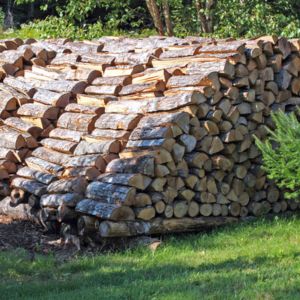
A cord of firewood is a standardized measure used to describe a pile of firewood that has been cut to specific dimensions and stacked. It is equal to 128 cubic feet, which is a volume that measures the wood when it is stacked, leaving some air gaps between the logs.
The standard dimensions of a full cord are:
- 4 feet high
- 8 feet long
- 4 feet deep
These dimensions allow for uniform measurement and comparison of firewood quantities. It’s important to remember that the actual volume of solid wood within a cord is less than 128 cubic feet, as the gaps between the pieces of wood (air spaces) reduce the overall solid wood volume. These air gaps, though, allow air to circulate around the logs, which is essential for the drying process of seasoned wood.
How Much Does a Cord of Firewood Weigh?
The weight of a cord of firewood can vary based on multiple factors, including the type of wood and its moisture content. Firewood that has been freshly cut (green wood) will weigh significantly more than wood that has been properly seasoned and dried.
Here is a general breakdown of how much a cord of firewood weighs:
- Green (Freshly Cut) Wood: A full cord of freshly cut, green wood typically weighs between 4,800 to 5,000 pounds (2,177 to 2,268 kilograms).
- Kiln-dried (Seasoned) Wood: Seasoned wood, which has been dried in a controlled environment to reduce moisture content, weighs less, generally around 3,600 pounds (1,633 kilograms) per cord.
- Hardwoods: Denser woods like oak, hickory, or maple can weigh significantly more. For example, a cord of green oak can weigh around 4,800 pounds (2,177 kilograms), while kiln-dried oak might weigh about 3,600 pounds (1,633 kilograms).
- Softwoods: Species like pine, fir, and spruce are much lighter, with their weight ranging from 2,500 to 3,500 pounds (1,134 to 1,588 kilograms) per cord.
Comparison Table: Weight of a Cord of Firewood by Wood Type
Here’s a detailed table showing the weight of a cord of firewood based on the type of wood and its seasoning state:
| Wood Type | Weight per Cord (pounds) | Weight per Cord (kilograms) |
|---|---|---|
| Green Oak | 4,800 | 2,177 |
| Kiln-dried Oak | 3,600 | 1,633 |
| Green Pine | 2,500 | 1,134 |
| Kiln-dried Pine | 2,000 | 907 |
| Green Fir | 3,000 | 1,361 |
| Kiln-dried Fir | 2,400 | 1,089 |
Note: These weights are approximate and can vary based on specific conditions, such as species variations and how the wood is cut or dried.
Basics of a Cord of Firewood Weight
Understanding the weight of a cord of firewood is essential for several practical reasons:
- Transportation: Knowing the weight of the wood helps you plan how to move it. If you’re purchasing firewood, understanding the weight allows you to make sure you have the correct vehicle and equipment to transport it. A full cord of firewood can be very heavy, and hauling it without the proper preparation can be exhausting or even dangerous.
- Storage: Heavier cords require more robust storage solutions. The weight can strain storage structures if not properly supported. Whether you’re stacking it yourself or using a firewood rack, it’s important to ensure that the storage area can handle the weight without risking damage.
- Burn Efficiency: The moisture content plays a significant role in how efficiently the wood will burn. Freshly cut (green) wood contains a lot of water, which makes it harder to burn and results in more smoke and creosote buildup. Kiln-dried or properly seasoned wood burns hotter, cleaner, and more efficiently.
Factors Influencing a Cord of Firewood Weight
There are several factors that influence the weight of a cord of firewood:
- Wood Species: The density of the wood species affects its weight. Hardwoods like oak, hickory, and maple are denser and heavier than softwoods like pine, spruce, or fir. Oak, for instance, is much heavier than pine.
- Moisture Content: The moisture content is one of the most significant factors affecting the weight of a cord of wood. Green wood, which has been freshly cut, contains a lot of moisture, making it heavier. As the wood dries and becomes seasoned, it loses moisture, and its weight decreases. This is why seasoned wood weighs significantly less than freshly cut wood.
- Stacking Method: The way firewood is stacked can affect the weight and volume of a cord. A tightly stacked cord will weigh more because the logs are packed together more efficiently with fewer gaps, while a loosely stacked cord will have more air space and weigh less.
- Wood Size and Cut: The length and diameter of the logs also impact the total weight of a cord. Shorter logs or smaller pieces of wood typically weigh less, whereas larger logs or longer pieces may add more weight.
- Climate and Drying Conditions: How the wood is dried also affects its weight. Firewood that has been air-dried outdoors for a long period may still retain more moisture than wood that has been kiln-dried in a controlled environment.
Why a Cord of Firewood Weight Matters
The weight of a cord of firewood matters for several reasons:
- Cost Estimation: Heavier wood, especially freshly cut green wood, is often more expensive because of the added costs associated with transportation. In contrast, seasoned wood is lighter and easier to transport, making it generally less expensive.
- Burning Efficiency: Knowing the moisture content of the wood helps determine how efficiently it will burn. Wet wood (green wood) burns inefficiently, producing less heat and more smoke, while dry wood burns hotter and cleaner, providing more energy for heating.
- Safety: Overloading storage areas or vehicles can lead to accidents or damage. Understanding the weight of a cord allows you to plan your handling and storage processes more effectively, reducing the risk of injury or structural issues.
- Regulatory Compliance: In some regions, the sale of firewood is regulated to ensure that customers are getting what they pay for. The weight of a cord is often an important metric in determining whether the wood has been measured and sold correctly.
How Much Does a Cord of Firewood Cost?
The cost of a cord of firewood depends on several factors:
- Wood Type: Hardwoods like oak, hickory, and maple are typically more expensive than softwoods like pine or fir. This is due to the higher density and greater energy output of hardwoods.
- Seasoning: Kiln-dried or seasoned wood is more expensive than green wood because it has undergone the drying process, which adds to the overall cost.
- Location: Prices can vary widely based on where you live. In regions where firewood is in high demand or difficult to source, prices may be higher.
- Delivery and Stacking: Some firewood sellers offer delivery and stacking services, which will add to the overall cost.
On average, a full cord of seasoned hardwood can cost anywhere between $200 to $500, while softwoods may range from $150 to $400 per cord. Prices fluctuate depending on local supply, demand, and delivery conditions.
Dimensions of a Cord of Firewood
As discussed earlier, the standard dimensions of a full cord of firewood are:
- 4 feet high
- 8 feet long
- 4 feet deep
These dimensions account for the total volume of firewood, including both the wood and the air gaps. Keep in mind that the actual amount of solid wood in a cord is slightly less than the full 128 cubic feet, as air spaces between the logs are included in the measurement.
Conclusion
Understanding the weight of a cord of firewood is essential for anyone who uses firewood for heating or outdoor purposes. From transportation and storage to burning efficiency and cost, knowing how much a cord weighs helps you make informed decisions. Factors such as wood type, moisture content, and even stacking methods can significantly affect the total weight and burning characteristics of the wood. By understanding these variables, you’ll be better equipped to handle, purchase, and burn firewood efficiently.
Fun Facts About a Cord of Firewood Weight
- A full cord of green oak can weigh up to 4,800 pounds, while kiln-dried pine might weigh as little as 2,000 pounds.
- The difference in weight between green and seasoned wood is mostly due to water content; seasoned wood burns more efficiently.
- The term “cord” comes from the practice of measuring wood with a cord or rope in the past.
- Seasoned wood burns cleaner and reduces creosote buildup in your chimney, making it a safer choice for heating.
- Always store firewood off the ground and cover it to protect it from moisture and the elements.
- In many places, firewood is sold by the cord, and it’s a legally defined unit of measure.
- A full cord of firewood can fill the bed of a standard pickup truck.
- Proper seasoning can take up to a year for wood to reach optimal dryness for burning.
- Firewood sales provide significant income for rural economies, especially in areas with dense forests.