
Shipping containers are the backbone of international trade, moving goods across countries, oceans, and continents with ease and efficiency. Among the many sizes available, the 20-foot shipping container, commonly referred to as a TEU (Twenty-Foot Equivalent Unit), stands out as one of the most widely used and essential in the logistics industry.
Understanding the weight of a 20-foot container is not just important for logistical planning but also for cost estimation, ensuring safety, and complying with various transportation regulations.
This article will explore everything you need to know about the weight of a 20-foot shipping container, including its tare weight, maximum gross weight, and factors that impact these figures.
How Much Does a 20 Foot Shipping Container Weigh?
Shipping containers come in several sizes, but the 20-foot version is the most popular for both domestic and international shipping. The weight of a 20-foot container can be broken down into three main categories:
- Tare Weight (Empty Weight): This refers to the weight of the container when it is empty, without any cargo inside.
- Payload Capacity: The maximum weight of goods that the container can carry safely.
- Maximum Gross Weight (Fully Loaded Weight): This includes the weight of the container and the maximum weight it can hold with cargo.
Let’s break these down in detail.
Tare Weight (Empty Weight)
A standard 20-foot shipping container typically weighs between 2,300 kg to 2,420 kg (5,071 pounds to 5,335 pounds) when empty. This weight is primarily due to the material used to construct the container – steel. The exact tare weight can vary slightly depending on the manufacturer and the construction materials used. Containers built for specific purposes, such as refrigerated (reefer) containers or high-cube containers, might weigh more due to additional insulation or structural enhancements.
Maximum Gross Weight (Fully Loaded Weight)
The maximum gross weight refers to the combined weight of the container plus its cargo. For a standard 20-foot container, the maximum gross weight is approximately 24,000 kg (52,910 pounds). This means that the total weight, including both the container and its cargo, should not exceed this amount for safe transport.
Payload Capacity
The payload capacity is the maximum weight the container can carry in terms of goods. A standard 20-foot container can handle around 21,600 kg (47,620 pounds) of cargo. This weight includes the weight of the goods themselves, and the remaining weight after accounting for the tare weight.
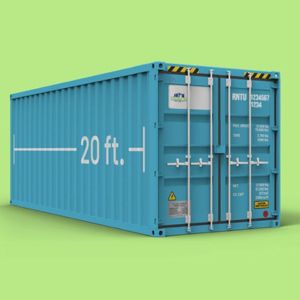
Comparison Table: Shipping Container Weight Details
To make it easier to visualize and compare the different weight categories, here is a table outlining the key weights for a 20-foot shipping container.
| Weight Category | Weight in Kilograms | Weight in Pounds |
|---|---|---|
| Tare Weight | 2,300 kg – 2,420 kg | 5,071 lbs – 5,335 lbs |
| Payload Capacity | 21,600 kg | 47,620 lbs |
| Maximum Gross Weight | 24,000 kg | 52,910 lbs |
This table helps to clearly differentiate between the weight of an empty container, the maximum weight it can carry, and the total weight when fully loaded.
Basics of a 20 Foot Shipping Container’s Weight
The weight of a 20-foot shipping container is determined by several key factors, and understanding these will help explain the different weight ranges.
Materials Used
Shipping containers are typically made of steel, a heavy but incredibly durable material that can withstand harsh environmental conditions. The choice of steel or steel alloys directly contributes to the tare weight of the container. Containers made from stronger, reinforced materials are usually heavier.
Container Type
There are different types of shipping containers that cater to various needs:
- Standard Containers: These are the most common type, typically used for general cargo. They are relatively lighter compared to specialized containers.
- Refrigerated Containers (Reefers): These containers are equipped with refrigeration systems to transport perishable goods. They are much heavier due to the added refrigeration units and insulation materials.
- High-Cube Containers: These containers are taller than standard containers, usually providing extra space for cargo. The added height increases the overall weight of the container.
Construction Design
In some cases, containers come with additional features such as reinforced walls, extra flooring, or special locks for security. These modifications can increase the weight of the container. Specialized containers designed for hazardous materials or heavy-duty use also tend to be heavier.
Factors That Impact a 20 Foot Shipping Container’s Weight
Several factors can influence the weight of a 20-foot shipping container beyond its construction materials and type. These include:
Container Type and Design
As mentioned earlier, the weight of a container can vary based on its design. Refrigerated containers, high-cube containers, and flat racks are all heavier than standard containers. Understanding which type of container you need for your cargo will give you a clearer idea of its weight.
Age and Condition
Older containers may be slightly lighter due to wear and tear, corrosion, or other forms of damage that can affect the integrity of the steel. Newer containers, on the other hand, typically have a more uniform weight due to the use of modern construction methods and materials.
Internal Modifications
Some containers are modified for specific purposes, such as for use as storage units, offices, or even homes. These modifications often add weight due to the inclusion of insulation, windows, or extra interior walls.
Environmental Exposure
Containers that have been exposed to harsh conditions such as saltwater or extreme temperatures may show signs of rust or corrosion. These changes can reduce or slightly increase the weight of the container depending on the extent of the corrosion.
Why a 20 Foot Shipping Container’s Weight Matters
Understanding the weight of a shipping container is essential for several reasons, particularly when it comes to logistics, transportation, and cost estimation.
Transportation Logistics
Knowing the tare weight, payload capacity, and maximum gross weight of a 20-foot shipping container helps businesses and shipping companies calculate shipping costs effectively. Transport carriers typically charge based on the weight of the container, so understanding these figures can help businesses plan their budgets and avoid overpaying.
Compliance with Regulations
Shipping containers must comply with international weight regulations. Different transportation methods—whether by land, sea, or rail—have specific weight limits. Overloading a shipping container could lead to penalties, fines, or delays. Moreover, regulations such as the International Maritime Organization’s SOLAS (Safety of Life at Sea) convention require accurate weight declarations for containers.
Safety and Load Distribution
The weight of a container also influences its stability. Proper weight distribution within the container is crucial for safe transportation. If a container is overloaded or its weight is distributed unevenly, it could result in shifting cargo, tipping, or even structural damage to the container. Maintaining the correct weight distribution helps ensure that the container remains stable and secure during transit.
Other Important Things Related to Weight
Aside from the basic weight categories and factors influencing a 20-foot container’s weight, there are a few other important considerations:
Weight Distribution
Efficiently distributing the weight of cargo inside the container ensures that it remains balanced during transit. Heavy items should be placed on the floor, with lighter goods stacked above them. Proper weight distribution helps prevent tipping and shifting, reducing the risk of accidents.
Weight Limits by Transport Mode
Different modes of transport—such as truck, rail, or ship—have different weight restrictions. For example, a truck may have a maximum weight capacity that’s lower than the weight capacity for shipping via sea. It’s important to understand the limits for each mode of transport to avoid delays, fines, or even cargo rejection.
Documentation
Accurate documentation of a shipping container’s weight is required for customs clearance, insurance purposes, and regulatory compliance. Shipping companies must provide the correct weight information to customs authorities to ensure smooth and timely deliveries.
How Much Does a 20 Foot Shipping Container Cost?
The price of a 20-foot shipping container depends on several factors:
Condition
New containers generally cost more than used ones. New containers, while more expensive, offer a longer lifespan and better structural integrity. Used containers are more affordable but may show signs of wear and tear, which could affect their durability.
Container Type
Specialized containers, such as refrigerated units, insulated containers, or those with custom features, will cost more than standard containers. These containers are often more expensive due to the added features and materials used in their construction.
Market and Location
Container prices can also vary based on location and demand. For example, containers might be cheaper in areas where they are more readily available. Conversely, regions with limited container supply could see higher prices. Additionally, international shipping costs and the state of the global shipping industry can affect container prices.
On average, a standard 20-foot shipping container can cost anywhere between $1,500 to $5,000. Specialized containers with additional features could cost more.
Dimensions of a 20 Foot Shipping Container
Understanding the dimensions of a 20-foot shipping container is crucial for knowing how much cargo it can hold and how it affects its weight. Here are the standard dimensions:
External Dimensions:
- Length: 20 feet (6.058 meters)
- Width: 8 feet (2.438 meters)
- Height: 8.5 feet (2.591 meters)
Internal Dimensions:
- Length: 19.4 feet (5.898 meters)
- Width: 7.7 feet (2.352 meters)
- Height: 7.9 feet (2.393 meters)
Volume:
- Approximately 33.2 cubic meters (1,172 cubic feet) of usable space.
These dimensions indicate the available space inside a 20-foot shipping container and how efficiently cargo can be loaded and unloaded based on its weight.
Conclusion
Understanding the weight of a 20-foot shipping container is vital for anyone involved in logistics, transportation, or supply chain management. From tare weight to payload capacity and maximum gross weight, knowing these figures helps businesses optimize shipping, reduce costs, and comply with international regulations. Accurate weight calculations also ensure the safety of cargo during transport and help avoid unnecessary delays. With this guide, you’ll be better equipped to plan and manage shipments involving 20-foot containers.
Fun Facts About 20 Foot Shipping Containers
>>Global Standard: The 20-foot shipping container is recognized as the standard unit for shipping worldwide.
>>Durability: These containers are designed to withstand harsh conditions, including extreme weather and rough handling during transport.
>>Versatility: Beyond shipping, 20-foot containers are repurposed as storage units, homes, offices, and even cafes.
>>Stackable: These containers are stackable, allowing for efficient use of space in transport and storage.
>>Eco-Friendly: Repurposing old shipping containers reduces waste and supports sustainability by recycling materials for new uses.