
The weight of a train car is more than just a number; it’s a fundamental element that shapes the entire dynamics of rail transport. It influences the performance, efficiency, cost, and environmental impact of the rail system. From the moment a train car is designed to when it’s loaded with goods or passengers, every decision concerning its weight affects how it moves, what it carries, and the infrastructure that supports it.
Understanding train car weight is not just for engineers and logistics experts; it’s a key part of how rail systems manage speed, fuel consumption, safety, and track wear. As such, knowing the specifics of how much a train car weighs can give us insights into how rail transport systems operate.
This article aims to provide a comprehensive and detailed overview of train car weights. We’ll examine different types of train cars, their weight ranges, and explore what factors influence these weights. Furthermore, we’ll look into the costs, rental information, and other intriguing facts about train cars and their operations.
What Is A Train Car?
A train car, often referred to as a rolling stock, is a vehicle used on railroads for transporting various goods or passengers. Unlike other vehicles, train cars do not have an engine of their own, but are connected to a locomotive (the engine that pulls the train).
Train cars come in a variety of types, each with unique features tailored for specific uses. Passenger cars are designed with comfort and safety in mind for people, while freight cars are built to carry cargo, which could range from bulk commodities to specialized goods. The key to the efficiency of a rail system is understanding how the weight of these cars affects overall performance.
The weight of a train car is essential for several reasons: it dictates how much the car can carry (its cargo capacity), the amount of fuel it will consume, the wear it causes on the tracks, and how fast it can travel. The combination of the car’s weight and the weight of the cargo determines the gross weight of the train, which is crucial for ensuring the train operates safely and efficiently.
Types of Train Cars
Train cars come in various forms, each designed to meet specific transportation needs. Let’s dive into the different types of train cars and their respective weight ranges.
1. Boxcars
Purpose: Boxcars are versatile freight cars used to transport a wide range of goods that require protection from the elements. These include products such as electronics, textiles, and manufactured goods. They are closed on all sides and have sliding or plug doors for easy loading and unloading.
Weight: Boxcars typically weigh between 60,000–70,000 lbs (27,216–31,751 kg) when empty.
Features: Fully enclosed to protect goods from weather conditions. Boxcars are often used for general cargo transportation.
2. Flatcars
Purpose: Flatcars are used to carry large, heavy, or oversized loads such as machinery, vehicles, and construction materials. They have an open deck, which makes them ideal for non-containerized cargo.
Weight: A flatcar usually weighs between 50,000–60,000 lbs (22,680–27,216 kg) when empty.
Features: Flatcars have a completely open deck with no sides or roof. Some flatcars may have tie-downs or supports to secure oversized cargo.
3. Tank Cars
Purpose: Tank cars are designed to transport liquids or gases, including hazardous substances like chemicals, petroleum, and other fluids. Their cylindrical shape and reinforced structures are designed to prevent leaks or spills during transport.
Weight: Tank cars typically weigh between 70,000–80,000 lbs (31,751–36,287 kg) when empty.
Features: Tank cars are equipped with specialized safety features, including pressure relief valves and emergency valves, to handle hazardous cargo safely.
4. Hopper Cars
Purpose: Hopper cars are used to transport bulk commodities such as coal, grain, and sand. They are designed with gates at the bottom, allowing the cargo to be unloaded by gravity.
Weight: Hopper cars generally weigh around 60,000–70,000 lbs (27,216–31,751 kg) when empty.
Features: Equipped with bottom or side discharge gates to unload bulk cargo efficiently. Some hopper cars are designed with specialized features for handling different types of bulk commodities.
5. Passenger Cars
Purpose: Passenger cars are built to transport people, not goods. They are equipped with seats, restrooms, and various amenities designed for comfort and convenience during travel.
Weight: Passenger cars weigh between 120,000–180,000 lbs (54,431–81,646 kg), depending on the model and the features they include.
Features: Includes seating arrangements, restrooms, air conditioning, and, in some cases, dining or lounge areas for long-distance travelers. These cars are built with reinforced structures for passenger safety.
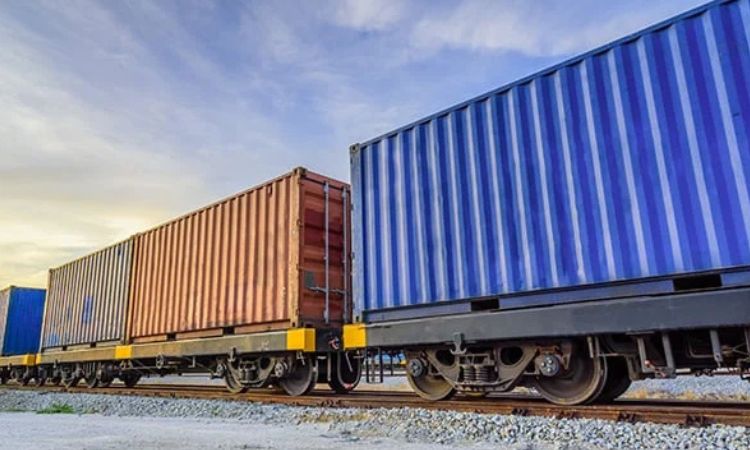
How Much Does A Train Car Weigh?
The weight of a train car can vary widely depending on its type and purpose. The weight is generally divided into two categories: the empty weight, which refers to the weight of the car alone, and the loaded weight, which is the total weight when the car is carrying its full load. Let’s explore the weight of different types of train cars.
Empty Freight Cars
Freight cars, which are used to carry goods, typically weigh between 50,000–60,000 lbs (22,680–27,216 kg). These cars, when empty, are relatively lightweight, which is why their cargo plays such a large role in determining the overall weight of a train.
Loaded Freight Cars
Loaded freight cars can reach weights as high as 286,000 lbs (129,727 kg) or more. This includes both the weight of the car itself and the cargo it is transporting. Some types of cargo, such as coal, sand, or construction materials, are very heavy and can push the weight of a freight car to its maximum capacity.
Passenger Cars
Passenger cars are significantly heavier than freight cars due to their size and the amenities they include. An empty passenger car weighs between 120,000–180,000 lbs (54,431–81,646 kg). The weight is influenced by factors such as the number of amenities and the materials used in its construction.
Comparison Table: Train Car Weights
Here’s a detailed comparison table that includes the weight of various train car types, their typical uses, materials, and price ranges.
| Train Car Type | Empty Weight (lbs) | Loaded Weight (lbs) | Capacity (tons) | Average Cost (USD) | Typical Use | Material | Year Model (Range) |
|---|---|---|---|---|---|---|---|
| Boxcar | 60,000 (27,216 kg) | 100,000 (45,359 kg) | 50 | $50,000–$150,000 | General freight | Steel, Wood | 1980–2025 |
| Flatcar | 55,000 (24,948 kg) | 120,000 (54,431 kg) | 60 | $45,000–$120,000 | Oversized cargo | Steel | 1980–2025 |
| Tank Car | 75,000 (34,019 kg) | 150,000 (68,181 kg) | 75 | $100,000–$250,000 | Liquids and hazardous materials | Steel, Aluminum | 1990–2025 |
| Hopper Car | 65,000 (29,480 kg) | 140,000 (63,502 kg) | 70 | $60,000–$200,000 | Bulk commodities (coal, grain) | Steel | 1980–2025 |
| Passenger Car | 160,000 (72,575 kg) | N/A | N/A | $1,000,000–$3,000,000 | Passenger transport | Steel, Aluminum | 1980–2025 |
Basics of Train Car Weight
The weight of a train car is a critical factor that determines its performance, fuel consumption, and impact on the tracks. There are several key terms and measurements that help describe train car weight:
Tare Weight
The tare weight refers to the weight of the train car when it is empty. This is an important measurement because it tells us how much the car itself weighs without any cargo inside.
Gross Rail Load (GRL)
The Gross Rail Load (GRL) is the total weight of the train car, including both the tare weight and the weight of the cargo it carries. The GRL is a crucial measurement used by rail operators to ensure that a car is not overloaded beyond its capacity.
Load Limit
The load limit is the maximum weight that a train car can safely carry. It is important to adhere to this limit to prevent damage to the car, the track, and other infrastructure.
Factors Influencing Train Car Weight
The weight of a train car is influenced by a multitude of factors that stem from its design, construction, and intended use. From the materials used to the specific features included in the car, each element plays a crucial role in determining how heavy the train car will be. Understanding these factors is essential not only for engineers and manufacturers but also for ensuring that trains can operate efficiently while maintaining safety. Let’s take a deeper look at some of the most significant factors that contribute to the weight of a train car.
1. Material
One of the most influential factors affecting the weight of a train car is the material used in its construction. The primary material used in most train cars is steel, renowned for its strength, durability, and ability to withstand heavy loads and harsh conditions. Steel is particularly favored for freight cars and passenger cars, as it can support the structural integrity required for transporting heavy and bulky goods or passengers.
However, as environmental and operational efficiency concerns have increased, some newer train cars, especially passenger cars, have incorporated lighter materials to improve fuel efficiency and reduce emissions. Aluminum, for example, is a popular alternative to steel in certain applications. While aluminum is lighter, it still maintains sufficient strength to be used in the construction of car bodies, particularly in high-speed trains or for cars where weight reduction is crucial. Composite materials are also being used in advanced train designs, including hybrid and electric trains. These materials offer an even lighter alternative without sacrificing the car’s structural integrity. The trade-off, however, is that such materials are often more expensive, which can drive up the initial cost of the train.
Thus, the choice of material directly impacts the weight, as steel will generally lead to a heavier car, while newer composite materials and aluminum can help reduce weight, improving fuel efficiency but at a potentially higher cost.
2. Design and Features
The design and features incorporated into a train car are another key factor in determining its weight. Design features, including the overall size, structure, and additional functionalities, can significantly influence how heavy the car is. For example, passenger cars are generally much heavier than freight cars due to the inclusion of numerous amenities such as seating, air conditioning, restrooms, and luggage storage. These features not only contribute to passenger comfort but also add substantial weight to the car.
In addition to passenger amenities, safety features also increase weight. For instance, modern passenger cars often incorporate reinforced materials for improved crashworthiness, which increases the car’s overall mass. In freight cars, the design elements differ. For example, a tank car designed to carry hazardous liquids or gases will often have reinforced structures, such as double walls or thicker materials, to prevent leaks and ensure safety. These additional layers of protection add considerable weight to the car.
Furthermore, some train cars are designed for specialized purposes, such as refrigerated cars (reefers) or flatcars that carry non-containerized, oversized loads. The insulation, cooling systems, and extra support structures required for such cars add to the overall weight of the vehicle.
3. Cargo Type
The type of cargo a train car is intended to carry has a direct impact on its weight. For instance, hopper cars designed for transporting bulk commodities like coal, grain, or sand will typically be lighter when empty, but once filled, they can become extremely heavy. Bulk materials like coal and grain have a high density, meaning that the weight of the cargo itself will add significantly to the car’s overall mass. This is especially true for cars that carry very dense materials like minerals or metals.
In contrast, flatcars may carry large or heavy loads but typically don’t experience the same weight increase when loaded, especially if the load is non-bulk or is lighter in nature. For example, a flatcar used to carry vehicles or machinery may have a lower overall weight when unloaded compared to a hopper car, but the load it carries still contributes to its weight. The weight of the cargo, combined with the car’s design, determines the car’s total mass when fully loaded.
Other specialized cars, such as refrigerated or liquid-carrying tank cars, will also have unique features or reinforced sections that may contribute to weight differently. For example, a refrigerated car will be equipped with cooling mechanisms that add weight, while a tank car will be built to withstand internal pressure, adding extra structural material that makes it heavier.
4. Year Model
The age of a train car can also influence its weight. Older models tend to be heavier due to the materials and construction methods used at the time of manufacture. Traditionally, older train cars were constructed with thicker steel and more robust structures to ensure durability, which often resulted in heavier cars. These older cars, built before the widespread use of lightweight materials, are generally more substantial than their newer counterparts.
In recent years, advances in materials science and engineering have led to the development of lighter, more efficient train cars. Modern models now often use high-strength, low-weight steel alloys and composite materials, which reduce weight without sacrificing strength or safety. This weight reduction is particularly important for passenger cars, as lighter cars lead to better fuel efficiency and higher speeds, making trains more competitive with other forms of transport, such as cars and airplanes. Moreover, newer models often incorporate design improvements that allow for reduced weight while maintaining or improving performance.
How Much Does A Train Car Cost?
The cost of purchasing a train car depends on several factors, including the type of car, the materials used, and the year it was manufactured. Here’s a breakdown of the typical costs associated with different types of train cars:
Freight Cars
Freight cars generally cost between $50,000 and $150,000 when used and $100,000–$250,000 when new. The price can vary depending on the car’s features and its intended use.
Passenger Cars
Passenger cars are much more expensive due to the added amenities and safety features they include. New passenger cars typically cost between $1,000,000 and $3,000,000, with prices increasing for high-end models or those used in high-speed rail systems.
Specialized Cars
Specialized cars, such as refrigerated cars or tank cars designed for hazardous materials, are the most expensive. Their prices can range from $200,000 to over $5,000,000, depending on the technology and materials used in their construction.
How Much Does It Cost To Rent A Train Car?
Renting a train car can be a practical solution for businesses that need temporary transportation for large or specialized loads. Rental costs for train cars depend on several factors, including the type of car, rental duration, and additional features.
Freight Car Rental
The cost to rent a freight car typically ranges from $1,000–$5,000 per month, depending on the type and size of the car, as well as the length of the rental period.
Passenger Car Rental
Renting a passenger car is more expensive, with costs typically ranging from $10,000 to $50,000 per month, depending on the amenities and comfort features.
How Much Does A Train Car Wheel Weigh?
The wheels of a train car are another crucial component of the train’s overall weight. A single train car wheel weighs approximately 800–900 lbs (362–408 kg). Each train car typically has four wheels (two on each side), meaning the wheels alone can add a considerable amount of weight to the overall train car.
How Much Does A Train Car Wheel Cost?
Replacing a train wheel can be a significant expense. The cost of a train wheel typically ranges from $1,000 to $3,000, depending on the size, material, and manufacturer.
How Much Fuel Does A Train Car Use?
Fuel consumption is a key factor when it comes to the overall efficiency of train operations. The weight of a train car plays a role in how much fuel it consumes.
Freight Trains
Freight trains typically consume 2–4 gallons per mile (7.57–15.14 liters per km) depending on their weight, the type of terrain, and the overall train configuration.
Passenger Trains
Passenger trains tend to consume more fuel than freight trains, averaging around 4–5 gallons per mile (15.14–18.93 liters per km) due to the added weight of passenger amenities and the need to maintain higher speeds.
How Fast Can A Train Car Go?
The speed of a train car is influenced by its weight, the type of cargo it is carrying, and the power of the locomotive pulling it.
Freight Trains
Freight trains typically operate between 40–60 mph (64–97 km/h), though some trains may reach speeds of 70 mph (113 km/h) under optimal conditions.
Passenger Trains
High-speed trains, such as those used in Europe and Japan, can reach speeds of up to 125 mph (201 km/h).
How Tall Is A Train Car?
The height of a train car can vary depending on its purpose and design.
- Standard Train Cars: Most train cars are between 15–16 feet (4.57–4.88 meters) tall.
- High-Cube Cars: Specialized cars, such as those used for high-volume cargo, can be up to 17 feet (5.18 meters) tall.
How Wide Is A Train Car?
The width of a train car is another critical measurement:
- Standard Width: Most train cars have a width of 9–10 feet (2.74–3.05 meters).
- Maximum Width: The width is subject to clearance regulations and may vary depending on regional standards.
Dimensions of a Train Car
The dimensions of a train car vary according to its type and design.
- Length: Varies between 40–85 feet (12.19–25.91 meters) depending on the car type.
- Width: Generally 9–10 feet (2.74–3.05 meters).
- Height: Typically 15–16 feet (4.57–4.88 meters).
Conclusion
The weight of a train car is a critical factor in the efficiency and safety of rail transport. From the materials used in construction to the type of cargo carried, every aspect influences the overall weight. Understanding these variables helps ensure that rail systems operate efficiently, safely, and economically.
Fun Facts
- Big Boy Weights: A typical freight train car weighs around 100 to 150 tons (200,000 to 300,000 pounds or 90,700 to 136,100 kg). That’s like having 150 elephants riding in your backyard… except it’s not your backyard, it’s a massive train track!
- Passenger Cars: The Lightweight Champs: Passenger train cars are the gym bros of the train world, weighing around 50 to 70 tons (100,000 to 140,000 pounds or 45,400 to 63,500 kg). They’re the ones showing up to the party without breaking a sweat.
- Steel on Steel: Train cars are made mostly of steel, so they’re like giant metal sandwich tins rolling along the tracks. Just hope you’re not stuck in one during rush hour, because it’s not going anywhere fast!
- The Overachiever: Some specialized cars, like those carrying coal or oil, weigh up to 200 tons (400,000 pounds or 181,400 kg). They don’t just roll down the tracks – they practically crush them under the sheer weight of their “I can carry more than you” attitude.
- Full Train Madness: A whole freight train can weigh over 15,000 tons (30 million pounds or 13.6 million kg). That’s like if you took the entire population of a small country and asked them to do a group hug on the tracks. Spoiler: it’s not going to move easily.