
When it comes to wardrobe staples, few garments offer the perfect combination of comfort, versatility, and style quite like a sweatshirt. Whether you’re lounging around at home, running errands, or enjoying an outdoor workout, sweatshirts have earned their place as an essential part of almost everyone’s closet. But one crucial aspect often goes unnoticed when choosing the right sweatshirt: its weight.
Why does the weight of a sweatshirt matter? Can it influence how comfortable it is, how warm it keeps you, and how durable it will be over time? The weight of a sweatshirt might not be the first thing that crosses your mind when making a purchase, but understanding it can help you make a more informed decision and ensure that the sweatshirt you choose is perfect for your needs.
In this article, we will explore everything you need to know about sweatshirt weight. From the different types of sweatshirts to the materials and factors that influence their weight, we’ll cover it all. By the end of this guide, you’ll have a clear understanding of how much a sweatshirt should weigh for various purposes and how to choose the best one for your comfort and style preferences.
What Is A Sweatshirt?
A sweatshirt is a long-sleeved garment designed for warmth and comfort, typically made from a knitted fabric. While sweatshirts are most commonly associated with casual wear, they can also serve as athletic wear, offering breathable comfort during physical activities like running or warm-ups. Unlike hoodies, sweatshirts do not come with a hood but share similar features such as ribbed cuffs and waistbands, which help the garment fit snugly and comfortably.
Key Features of a Sweatshirt:
- Fabric Composition: Sweatshirts are often crafted from a cotton-polyester blend, although 100% cotton options are common. Cotton provides softness and breathability, while polyester adds durability and moisture-wicking properties. Fleece-lined sweatshirts are also popular, offering an extra layer of warmth.
- Design: Traditional sweatshirts come with a simple crewneck, ribbed cuffs, and a ribbed waistband, which ensures a comfortable fit and prevents the garment from riding up. Some sweatshirts may include front pockets, a feature that adds to their casual appeal. Modern sweatshirts can also feature various designs, including graphic prints or bold colors, making them a fashion statement as much as a comfort item.
- Purpose: Originally designed as athletic wear, sweatshirts were made to provide warmth and comfort during physical exertion. Over the years, they’ve evolved into everyday casual wear that suits almost any occasion, from lounging at home to participating in outdoor activities.
The key distinction of a sweatshirt compared to other garments like hoodies is its simplicity. Sweatshirts are usually more streamlined and straightforward in design, without the addition of hoods or the bulk that comes with other features, allowing for a more minimalist yet cozy option.
Types of Sweatshirts
While the basic concept of a sweatshirt remains the same, there are several different types of sweatshirts, each with its own weight characteristics based on design, materials, and features. Let’s explore the different types in more detail:
1. Crewneck Sweatshirts
- Design: Crewneck sweatshirts have a simple round neckline and lack a hood, offering a more streamlined appearance. They are often considered the classic sweatshirt design and are the lightest option available.
- Fabric Properties: Crewnecks are usually made from a cotton, polyester, or cotton-blend fabric, which is lightweight and breathable. This type of sweatshirt is often used for layering or in environments where a bit of warmth is needed without excessive bulk.
- Weight: Crewneck sweatshirts typically weigh between 8-12 ounces (227-340 grams). They are ideal for transitional seasons or warmer weather when you need something comfortable but not too heavy.
- Structure: Crewnecks feature ribbed cuffs and waistbands, offering a snug fit to keep warmth in. The simplicity of the design keeps them lightweight and flexible, making them perfect for casual wear or outdoor activities in moderate weather.
- Best For: Everyday casual wear, light outdoor activities, or as a layering piece in slightly chilly conditions.
2. Hooded Sweatshirts (Hoodies)
- Design: Hooded sweatshirts share similarities with crewnecks but feature a hood that can be adjusted using drawstrings. They often include a front pocket, making them more functional and suitable for colder conditions.
- Fabric Properties: Hoodies are typically made from a thicker cotton-polyester blend or fleece-lined fabric. The addition of the hood and extra lining makes them heavier and warmer compared to crewnecks.
- Weight: Hooded sweatshirts usually weigh between 12-16 ounces (340-454 grams). This extra weight comes from the hood, the additional fabric required for the structure, and sometimes the fleece lining for warmth.
- Structure: A standard hoodie will have ribbed cuffs and waistband, a full-sized hood with drawstrings, and a kangaroo-style front pocket. This design provides extra protection from the cold and adds to the overall bulk of the garment.
- Best For: Colder climates, outdoor activities, or casual outings where you need warmth and a little extra comfort. Perfect for layering or wearing as outerwear in chilly weather.
3. Zip-Up Sweatshirts
- Design: Zip-up sweatshirts are similar to hoodies, but instead of being a pullover style, they feature a full-length zipper running from the neckline down to the waist. The zipper adds to the versatility of this sweatshirt type, allowing for easy ventilation and removal.
- Fabric Properties: Like hoodies, zip-up sweatshirts are made from cotton-polyester blends and sometimes feature fleece linings for additional warmth. The zipper and additional stitching contribute to their weight.
- Weight: Zip-up sweatshirts generally weigh between 12-16 ounces (340-454 grams), making them similar to hoodies in terms of weight. The added zipper and structure contribute to this weight.
- Structure: These sweatshirts come with a full zipper, ribbed cuffs, a waistband, and often a hood or collar. Many also have front pockets, adding functionality and style.
- Best For: Versatile wear, layering, and providing extra ventilation when needed. Suitable for cooler climates and outdoor activities.
4. Fleece-Lined Sweatshirts
- Design: Fleece-lined sweatshirts are designed for cold weather conditions and feature an extra layer of fleece on the inside for additional warmth. This extra lining makes them bulkier and significantly heavier than regular cotton sweatshirts.
- Fabric Properties: These sweatshirts are typically made from a cotton-polyester blend with a soft fleece interior. The fleece lining traps heat and retains body warmth, making them perfect for winter months.
- Weight: Fleece-lined sweatshirts weigh between 16-20 ounces (454-567 grams), making them the heaviest sweatshirt type. The fleece lining contributes to their extra weight but also provides extra comfort and warmth.
- Structure: Similar to hoodies or crewnecks, fleece-lined sweatshirts feature ribbed cuffs and waistbands for a snug fit, but the fleece lining makes them bulkier and more suited for colder climates.
- Best For: Cold weather, outdoor activities like hiking or running in winter, or casual wear during the colder months.
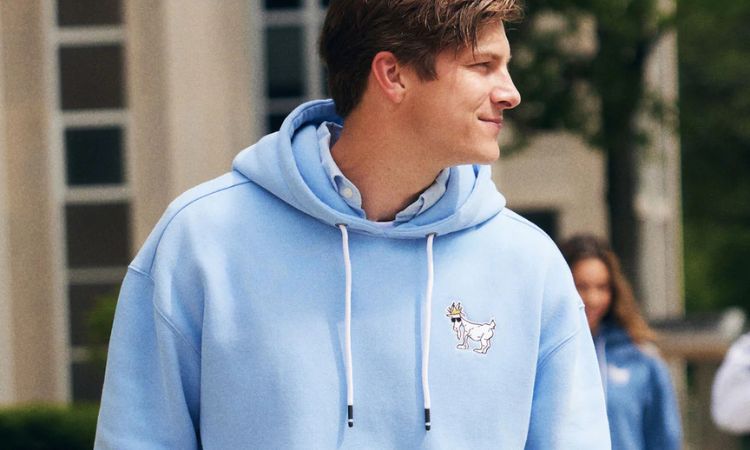
How Much Does A Sweatshirt Weigh?
The weight of a sweatshirt depends on several factors, such as type, materials, design features, and size. Below is a general breakdown of sweatshirt weights based on type:
- Lightweight Sweatshirts: 8-12 ounces (227-340 grams). These are great for warmer weather or as a layering piece when you don’t need too much warmth.
- Midweight Sweatshirts: 12-16 ounces (340-454 grams). These sweatshirts are perfect for transitional seasons, such as fall or spring, when the weather isn’t too cold or too hot.
- Heavyweight Sweatshirts: 16 ounces (454 grams) and above. These sweatshirts are ideal for colder temperatures, offering substantial warmth without needing an outer coat.
Sweatshirt Weight Comparison Table
| Sweatshirt Type | Weight (lbs/kg) | Material Composition | Features | Best Use | Estimated Cost (USD) | Durability | Fit & Comfort |
|---|---|---|---|---|---|---|---|
| Crewneck Sweatshirt | 0.5-0.75 / 227-340g | 100% Cotton / Polyester Blend | Simple design, ribbed cuffs | Everyday wear, layering | $20–$40 | Moderate | Excellent |
| Hooded Sweatshirt | 0.75-1.0 / 340-454g | Cotton-Polyester Blend | Hood, front pocket | Outdoor activities, casual wear | $30–$60 | High | Excellent |
| Zip-Up Sweatshirt | 0.75-1.0 / 340-454g | Cotton-Polyester Blend | Full zipper, adjustable hood | Versatile wear, layering | $35–$65 | High | Good |
| Fleece-Lined Hoodie | 1.0-1.25 / 454-567g | Cotton-Polyester Blend, Fleece Lining | Fleece interior, front pocket | Cold weather, outdoor activities | $50–$80 | High | Very Good |
Note: Prices and durability may vary based on brand and specific design elements.
Basics of Sweatshirt Weight
Understanding the weight of a sweatshirt involves knowing how it is constructed:
- Fabric Density: Heavier fabrics typically result in a thicker, denser sweatshirt. This thickness is measured in GSM (grams per square meter), and the higher the GSM, the heavier the fabric.
- Material Composition: Sweatshirts made from pure cotton fabrics tend to be heavier and softer compared to polyester blends. Cotton is known for its breathability and comfort, while polyester adds durability and moisture-wicking properties.
- Design Features: Sweatshirts with extra elements, such as a hood, zippers, or fleece lining, will naturally be heavier due to the additional material needed to create those features.
- Size: Larger sweatshirts, particularly in sizes XL and beyond, require more material, and thus, they will weigh more than smaller sizes.
Factors Influencing Sweatshirt Weight
When choosing a sweatshirt, the weight of the garment can significantly impact its comfort, durability, and functionality. Several factors play a critical role in determining how much a sweatshirt weighs. From the material choice to the design features and construction methods, each element contributes to the overall weight and suitability of the sweatshirt for various uses. Let’s take a detailed look at the key factors that influence sweatshirt weight.
1. Material Choice
One of the most significant factors influencing the weight of a sweatshirt is the type of fabric used in its construction. The material choice determines not only the weight but also the feel, breathability, and warmth of the sweatshirt.
- Cotton: Cotton is a heavier and denser fabric compared to synthetic fibers like polyester. Sweatshirts made from 100% cotton or predominantly cotton blends tend to be heavier. Cotton’s thickness and weight make it a reliable choice for sweatshirts that need to provide warmth and comfort. It’s also known for being breathable, which adds to its appeal for casual wear.
- Polyester: On the other hand, polyester is a lighter fabric, often used in blends with cotton to create a durable, moisture-wicking, and breathable sweatshirt. Sweatshirts made from polyester blends are typically lighter than those made from 100% cotton. While polyester blends may sacrifice some of the softness cotton offers, they tend to be more resistant to wear and tear, making them a preferred option for those seeking long-lasting wear.
- Fleece-Lined Fabrics: Adding an extra layer of fleece lining to a sweatshirt increases its weight considerably. Fleece adds bulk and warmth, making these sweatshirts much heavier than regular cotton or cotton-blend options. Fleece-lined sweatshirts are ideal for colder temperatures as they retain heat more efficiently, but this added warmth comes with added weight. These sweatshirts are typically heavier due to the thick fleece material that provides insulation against cold weather.
2. Fabric GSM (Grams per Square Meter)
The GSM of the fabric plays a crucial role in determining the weight and feel of a sweatshirt. GSM is a measurement of the fabric’s density or thickness, and it directly affects the weight of the final garment.
- Higher GSM: A higher GSM indicates a thicker fabric, which means the sweatshirt will be heavier. Sweatshirts with a higher GSM, such as those in the range of 300-400 GSM, are typically thicker, warmer, and more durable. These sweatshirts are perfect for colder climates as they provide better insulation and are more robust, making them ideal for outdoor activities or winter wear. Higher GSM fabrics are often used for heavyweight sweatshirts that are built to last and withstand repeated use.
- Lower GSM: On the other hand, lower GSM fabrics are lighter and more breathable. These sweatshirts are often more suited for mild weather or for use as a layering piece. Sweatshirts with lower GSM (around 200-250 GSM) are usually more lightweight, offering comfort without the bulk. They are less warm but allow for better airflow and ventilation, making them suitable for transitional seasons like spring or fall.
3. Design Features
Additional design elements can significantly increase the weight of a sweatshirt. These features not only affect the garment’s overall appearance but also contribute to the fabric and stitching requirements.
- Hoods: Hooded sweatshirts (hoodies) add extra material in the form of a hood, which inherently increases the sweatshirt’s weight. The addition of drawstrings and lining in the hood further contributes to the weight. A hood can be a necessity for colder climates, but it does add bulk.
- Zippers: Zip-up sweatshirts feature a full-length zipper running from the neckline down to the waistband. While this feature adds convenience and versatility, it also introduces additional weight due to the zipper mechanism and the extra fabric required to accommodate it. The zipper itself, along with the stitching and reinforced seams, contributes to the overall weight of the sweatshirt.
- Pockets: Front pockets, especially the large kangaroo-style pocket common in hooded sweatshirts, add weight to the garment. While these pockets are practical for storing small items like phones and keys, they also require additional fabric and stitching, which adds to the weight of the sweatshirt.
- Fleece Linings: Sweatshirts with fleece linings, designed for warmth, also feature an extra layer of fabric. The fleece material is heavier than cotton or polyester on its own, and the added lining increases the overall weight of the sweatshirt. These features are particularly important for sweatshirts intended for cold-weather use.
4. Brand and Construction
The manufacturer and the construction process also influence the weight of a sweatshirt. Different brands use various materials and techniques to craft their products, which can affect the overall weight and quality.
- Brand and Premium Fabrics: Higher-end brands often use premium materials, such as higher GSM cotton, brushed fleece, or unique cotton-blend fabrics, which can contribute to a slightly heavier sweatshirt. These premium fabrics not only feel more luxurious but are also more durable, adding longevity to the garment. Brands that focus on quality and durability tend to use heavier fabrics, ensuring the sweatshirt holds up better over time.
- Manufacturing Techniques: The way a sweatshirt is constructed can also influence its weight. For example, sweatshirts with reinforced stitching, double layers in specific areas, or special finishes may be slightly heavier. Sweatshirts designed for performance, such as those used for outdoor activities or athletic purposes, often incorporate heavier materials to ensure they are durable and provide protection against the elements.
- Fit and Size: Larger sizes require more fabric, which naturally increases the weight of the sweatshirt. If a brand offers a “looser” or “oversized” fit, this will often result in a heavier sweatshirt. Custom-designed or specialized sweatshirts, such as those for athletes or outdoor enthusiasts, may also include extra fabric or heavier materials for added performance, further increasing their weight.
Why Sweatshirt Weight Matters
Comfort
The weight of a sweatshirt directly affects its comfort. Lighter sweatshirts provide breathability, freedom of movement, and comfort, while heavier sweatshirts offer warmth and a cozier feel. However, if the sweatshirt is too heavy, it might restrict movement or make you feel too warm, especially during physical activities.
Durability
Sweatshirts made from heavier, denser fabrics are often more durable. Fleece-lined and heavyweight sweatshirts last longer, maintaining their structure and warmth over time. On the other hand, lighter sweatshirts might show signs of wear more quickly, especially if they are made from thinner fabric.
Functionality
Sweatshirt weight impacts its functionality. Lighter sweatshirts are ideal for warmer weather, sports activities, or as an extra layer under a jacket. Heavier sweatshirts are best suited for colder weather or situations where warmth is a priority, such as outdoor activities during the winter.
What to Consider While Choosing A Sweatshirt
When shopping for a sweatshirt, it’s essential to consider various factors that ensure you select the best one for your needs. A sweatshirt is a versatile and comfortable garment, but choosing the right one involves more than just picking out your favorite color or style. Factors like purpose, climate, fit, comfort, brand, and design all play a critical role in determining whether a sweatshirt is the right fit for your lifestyle. This guide will walk you through the key considerations that should influence your decision-making process when choosing a sweatshirt, particularly focusing on the weight and its impact on comfort and functionality.
1. Purpose
The first and most significant factor in choosing a sweatshirt is its intended purpose. Not all sweatshirts are made the same, and the design, weight, and material of the garment will largely depend on how you plan to use it. Understanding the purpose for which you need the sweatshirt will guide you toward the best fit for your needs.
- Casual Wear: If you’re purchasing a sweatshirt for everyday casual wear, comfort, style, and ease of movement should be your top priorities. A lightweight or midweight sweatshirt is generally ideal for daily wear since it offers just enough warmth for lounging around or running errands without feeling too bulky. Cotton and cotton-polyester blends are typically the best materials for this purpose, as they provide a soft and breathable feel.
- Outdoor Activities: For outdoor activities like hiking, camping, or walking in cooler weather, you’ll want a sweatshirt that offers more warmth and durability. A heavier sweatshirt, perhaps fleece-lined or made with thicker fabrics, will provide the insulation needed to keep you warm while still being breathable enough for physical activity. Look for sweatshirts with features like adjustable hoods, zippers, and moisture-wicking properties to enhance comfort and functionality in varying outdoor conditions.
- Athletic Use: Sweatshirts designed for athletic use, such as running or exercising, often feature lighter weights and more flexible designs. Athletes may prefer midweight sweatshirts that offer enough warmth without restricting movement. Materials such as polyester or moisture-wicking blends are ideal for athletic sweatshirts since they keep you dry and comfortable during intense physical activity. These sweatshirts are also more likely to have ventilation panels or stretch fabrics that promote movement.
2. Climate
The climate you live in is another important factor to consider when selecting the ideal sweatshirt. The weight of the sweatshirt is a direct reflection of the weather conditions it is suited for. Choosing the right weight ensures that you stay comfortable, whether you’re braving the winter cold or enjoying the mild weather.
- Cold and Harsh Winters: If you live in a region with cold winters or experience harsh weather conditions like snow, wind, or rain, a heavyweight or fleece-lined sweatshirt is the most appropriate choice. These sweatshirts are designed to retain body heat and provide insulation, making them perfect for staying warm in low temperatures. Fleece-lined sweatshirts, for instance, have an extra layer of fabric inside that traps warmth, ensuring you stay cozy even in freezing conditions. Look for options with a higher GSM (grams per square meter) fabric for enhanced warmth.
- Milder Climates: In milder climates, where temperatures aren’t as extreme, a midweight or lightweight sweatshirt may be more suitable. A lighter sweatshirt will offer enough warmth during cooler mornings or evenings without making you overheat. Sweatshirts made from cotton or lighter cotton-polyester blends are perfect for these climates because they provide breathability, comfort, and just the right amount of insulation. These options are also versatile for layering, especially during the transition between seasons.
3. Fit and Comfort
The fit and comfort of a sweatshirt are crucial to ensuring that you feel good wearing it. A sweatshirt that doesn’t fit properly will affect how the weight is distributed on your body, which can lead to discomfort and restrict movement. When selecting a sweatshirt, pay attention to the following elements:
- Shoulders and Chest: The sweatshirt should fit comfortably around the shoulders and chest, without feeling too tight or too loose. If it’s too tight, it can restrict your movement, especially in the arms, while a too-loose fit may cause the sweatshirt to hang awkwardly and create an unflattering look. Proper fit around the chest ensures that the sweatshirt provides warmth without feeling constricting.
- Sleeve Length and Cuffs: The sleeve length should be appropriate for your arms, and the cuffs should be snug around your wrists to keep the cold air out and provide a comfortable fit. Ribbed cuffs are commonly found on most sweatshirts and are designed to provide a snug fit that won’t stretch out over time. Check that the length of the sleeves and overall sweatshirt matches your body proportions, as an ill-fitting sweatshirt can feel uncomfortable and cause restrictions in movement.
- Fit Style: Sweatshirts come in various fit styles, from slim-fit to oversized. Choose a fit that suits your personal style and comfort preferences. Slim-fit sweatshirts are ideal for a more tailored look, while oversized sweatshirts provide a relaxed, cozy feel, which is great for lounging or layering over other clothing.
4. Brand and Design
The brand and overall design of the sweatshirt also play a role in how comfortable and functional it will be. Different brands use different types of materials, construction methods, and design elements that can influence the weight and quality of the sweatshirt.
Material and Construction: Higher-end brands often use more premium materials and construction techniques. For example, a well-constructed sweatshirt made from high-quality cotton or fleece will feel softer and more comfortable, with better insulation and durability. Pay attention to stitching quality as well, as loose or inconsistent stitching can affect both the lifespan and comfort of the sweatshirt.
Brand Reputation: Opting for a reputable brand can ensure that you’re purchasing a high-quality sweatshirt made from durable materials. Well-established brands typically offer sweatshirts that provide a good balance of comfort, warmth, and style. You can also rely on customer reviews to gauge the overall quality, fit, and durability of the product.
Design Features: The design of a sweatshirt can impact its functionality and comfort. Look for features such as ribbed cuffs and waistband for a better fit, adjustable hoods for extra warmth and versatility, or even added pockets for convenience. Some sweatshirts come with graphic designs, embroidery, or logos, which may appeal to your fashion tastes. Consider how much you value these design elements, as they can influence both the style and the weight of the sweatshirt.
How Much Does A Sweatshirt Cost?
Sweatshirt prices vary widely depending on factors such as brand, material, and design complexity. Here’s an approximate breakdown:
- Budget Sweatshirts: $20–$40, typically made from simple cotton or polyester blends.
- Mid-Range Sweatshirts: $40–$60, often featuring a mix of cotton and polyester or fleece lining for added warmth and durability.
- High-End Sweatshirts: $60 and above, typically from premium brands or made with specialty materials and designs.
Standard Dimensions/Height of A Sweatshirt in Different Regions
Sweatshirt sizing varies by region:
- United States: Standard sizes typically range from XS to 5XL.
- Europe: Sizes range from XS to 4XL, with European fits being slightly more tailored than American fits.
- Asia: Sizes may run smaller, so it’s important to consult size charts before purchasing.
Applications and Uses of a Sweatshirt
Sweatshirts are incredibly versatile garments with numerous applications:
- Casual Wear: Ideal for relaxed, comfortable everyday wear.
- Athletic Wear: Often worn during warm-ups, workouts, or post-training to maintain warmth and comfort.
- Outdoor Activities: Sweatshirts make excellent outer layers for hiking, running, or casual outdoor activities, especially in moderate to cold climates.
- Fashion: Sweatshirts, especially those with graphic designs, are a popular streetwear item, offering a blend of comfort and style.
Conclusion
Choosing the right sweatshirt goes beyond just picking a design or color. Understanding the weight of the sweatshirt can influence your decision, ensuring that it meets your comfort, warmth, and durability needs. Whether you opt for a lightweight crewneck for layering or a fleece-lined hoodie for colder weather, knowing how much a sweatshirt weighs can help you make the best choice for your lifestyle and preferences.
Fun Facts
- Lightweight doesn’t mean weak: Even lightweight sweatshirts can provide great warmth and comfort.
- More material = More warmth: Heavier sweatshirts, especially fleece-lined versions, offer much more warmth than their lighter counterparts.
- Sweatshirts come in all shapes and sizes: Depending on design and material, sweatshirts can vary greatly in weight, from ultra-light to heavy-duty warmth.
- Fashion meets function: Sweatshirt weight is an essential factor in how it fits, moves, and holds up over time, making it a key element for both style and practicality.