
When most people hear the term “pony keg”, their minds immediately picture something light and easy to carry—perhaps because of the word “pony,” which suggests something small. But the truth is very different. Pony kegs may be smaller than full-size half-barrel kegs, but they are still hefty, practical, and play a major role in parties, catering, and bar service. For many beer lovers, bartenders, and event planners, one of the first questions that comes to mind is: how much does a pony keg weigh?
Weight matters for several reasons. First, it influences how the keg is handled during transportation and storage. A keg that is too heavy may require multiple people to move, while a lighter one could be handled by a single person with proper technique. Second, weight determines how much beer is inside, which connects directly to cost efficiency and planning for events. Third, knowing the weight helps in ensuring the right kind of equipment—coolers, fridges, or taps—are used for service.
In this article, we’ll explore what a pony keg actually is, the different types available, their exact weight in pounds and kilograms, and how they compare to other keg sizes. We’ll also dive into influencing factors, standard dimensions, cost breakdowns, uses, and even fun facts that most people don’t know. By the end, you’ll have a clear picture of why pony kegs are considered the perfect middle ground in the world of draft beer.
What Is a Pony Keg?
A pony keg, also known as a quarter barrel keg, is a type of beer container that holds about half the amount of beer that a standard half-barrel keg does. Where a half-barrel keg is often seen in bars and restaurants, weighing more than 160 pounds when full, a pony keg offers a smaller, more manageable solution that still provides plenty of servings for medium-sized gatherings.
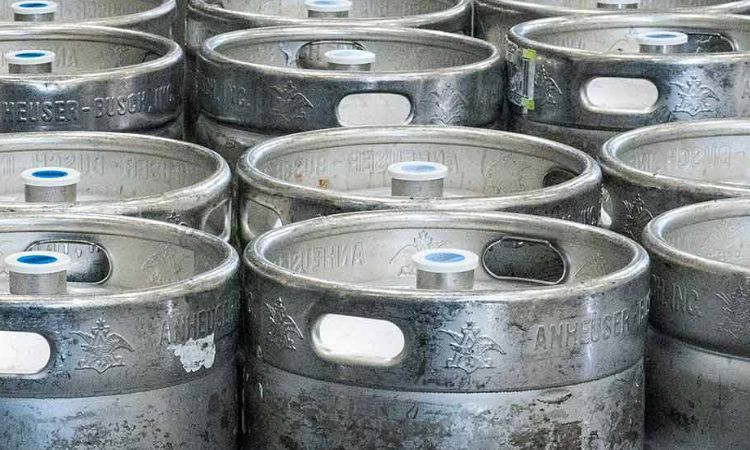
The distinguishing feature of a pony keg is its shape. It is short and stocky, almost like a beer barrel that has been cut in half. It’s not to be confused with mini kegs, which are much smaller and designed for casual home use. Pony kegs are typically made of high-grade stainless steel, which preserves freshness, maintains carbonation, and resists wear and tear. Each keg is sealed tightly and requires a coupler or tap system to release the beer inside.
The history of the pony keg is rooted in practicality. As the popularity of draft beer grew beyond pubs and taverns, people wanted a smaller, portable option that could fit into home parties and catering setups. The pony keg became the perfect compromise—it offered much more beer than a case but wasn’t as overwhelming or heavy as a half-barrel.
Today, pony kegs are used widely in house parties, weddings, small bars, catering services, and backyard events. They remain a favorite because they provide just enough servings without the logistical challenges of dealing with a full keg.
Types of Pony Keg
Although people often use the term pony keg broadly, there are actually a few different types, each with its own design, structure, and practical benefits:
- Quarter Barrel Keg (Traditional Pony Keg)
- The classic pony keg most people refer to.
- Short and wide, making it easy to fit in coolers or stack in storage.
- Strong stainless steel body with a Sankey D coupler system.
- Holds 7.75 gallons of beer, or about 82 twelve-ounce servings.
- Slim Quarter Keg
- Same capacity as a quarter barrel but shaped differently.
- Taller and slimmer—about the same height as a sixth barrel keg but wider.
- Easier to fit into narrow fridges or kegerators.
- Weighs slightly more due to the additional height.
- Sixth Barrel Keg (Sixtel)
- Not technically a pony keg but often mistaken for one.
- Holds 5.16 gallons, or about 55 servings.
- Slim and lightweight, easier to handle but with less beer.
- Brand Variations
- Breweries like Budweiser, Coors, and Heineken sometimes use slightly different keg dimensions.
- While the weight differences are minimal, the metal gauge, coupler type, and durability can vary.
Each type is designed for specific needs—whether it’s maximizing storage space, offering portability, or serving larger gatherings without the hassle of a massive keg.
How Much Does a Pony Keg Weigh?
Here’s the heart of the matter. A standard pony keg (quarter barrel) weighs about 87 pounds or 39 kilograms when full. When empty, the stainless steel shell weighs about 22 pounds or 10 kilograms.
If you opt for a slim quarter keg, the numbers are slightly different. A full slim quarter keg tips the scale at around 90 pounds or 41 kilograms, with the empty keg shell weighing 23 pounds or 10.5 kilograms. This extra weight comes from its taller design, though it holds the same amount of beer as the quarter barrel.
For those handling a sixth barrel keg, the weight is lighter. A full keg weighs about 58 pounds or 26 kilograms, while an empty one comes in at 15 pounds or 7 kilograms.
To put things in perspective, a half-barrel keg—the standard size used in bars—comes in at 161 pounds or 73 kilograms when full. That’s nearly double the weight of a pony keg.
The takeaway? Pony kegs are smaller but still heavy enough to require safe handling and lifting techniques.
Comparison Table of Pony Keg Weights
| Keg Type | Full Weight (pounds / kg) | Empty Weight (pounds / kg) | Features | Approx. Cost |
|---|---|---|---|---|
| Quarter Barrel (Pony Keg) | 87 lb / 39 kg | 22 lb / 10 kg | Short, wide design | $100–$150 filled |
| Slim Quarter Keg | 90 lb / 41 kg | 23 lb / 10.5 kg | Tall, slim design | $120–$160 filled |
| Sixth Barrel (Sixtel) | 58 lb / 26 kg | 15 lb / 7 kg | Smaller, lighter option | $70–$120 filled |
| Half Barrel (for comparison) | 161 lb / 73 kg | 30 lb / 14 kg | Standard bar keg | $150–$200 filled |
| Mini Keg (Party Keg) | 13 lb / 6 kg | 5 lb / 2 kg | Portable, 1.3 gallons | $20–$30 retail |
Basics of a Pony Keg Weight
The weight of a pony keg comes from two main components: the stainless steel shell and the liquid content inside. The shell itself contributes around 22–23 pounds, while the rest comes from the beer.
A pony keg holds 7.75 gallons, which equals about 82 twelve-ounce beers. When calculating for events, this detail is crucial—it tells you not only how many servings you can expect but also why the keg weighs as much as it does.
Understanding the basics of pony keg weight helps ensure proper planning. Whether you’re deciding how to transport it, where to store it, or which fridge to use, knowing the breakdown of the weight can save headaches down the road.
Factors Influencing a Pony Keg Weight
When considering the weight of a pony keg, several factors come into play that can make the weight fluctuate, even for kegs of the same size. The weight is influenced by the contents, the materials used to construct the keg, the type of beer stored, the style of the keg, and even the temperature of the beer. Let’s break these factors down in more detail.
1. Liquid Content
The most significant factor affecting a pony keg’s weight is its liquid content. A full keg will naturally weigh more than a partially filled one, as the liquid is the heaviest part of the keg. A typical pony keg holds about 7.75 gallons (29.3 liters) of beer, but depending on how much beer is inside, the weight can vary greatly. A full pony keg, which holds the maximum liquid capacity, weighs approximately 60 pounds (27 kg). If the keg is only partially filled, the weight will be proportionally less, based on how much liquid remains inside. This is the most obvious factor influencing the weight of the keg, and it’s easy to determine with a quick glance at the fill level.
2. Material Density
The material used in the construction of the keg also plays a significant role in determining its weight. Most pony kegs are made from stainless steel, which is durable and resistant to corrosion. However, the thickness of the stainless steel can vary between manufacturers or models, which will influence the overall weight. Kegs made from thicker stainless steel may weigh slightly more due to the added mass of the metal itself. While the material might not significantly alter the weight compared to the liquid, it can still add a few extra pounds to the total weight, especially when the keg is empty.
3. Beer Type
The type of beer stored in the keg can also influence its weight. Although beer is predominantly made up of water, different beer styles have different densities due to variations in ingredients. For instance, stouts and other heavy brews tend to be denser than lighter lagers due to the inclusion of ingredients such as roasted malts, additional sugars, or higher alcohol content. These ingredients make the beer more viscous, and as a result, the keg filled with stout will be slightly heavier than the same size keg filled with a lighter beer like a lager. This density difference can cause a weight variation of a pound or two.
4. Keg Style
There are different styles of kegs, and the style chosen will influence its weight. Traditional quarter kegs, also known as full-sized quarter kegs, are larger and tend to weigh more. However, slim quarter kegs (often referred to as “pony kegs”) are slimmer in shape, and although they hold the same amount of liquid, they tend to weigh less. The difference is not huge, but it is important to note that the shape and design of the keg can add or reduce weight. The more compact structure of a slim quarter keg means slightly less metal is used in its construction, which could make it a bit lighter compared to a traditional quarter keg.
5. Temperature
Surprisingly, temperature can also have a small impact on the weight of a pony keg. Cold beer is denser than warm beer. This is due to the fact that liquids contract when cooled, increasing their density. Therefore, a keg of beer that has been chilled to the ideal serving temperature (usually around 36-40°F or 2-4°C) will weigh marginally more than the same beer at room temperature. While this difference is small and hardly noticeable in everyday use, it still contributes to the overall weight of the keg.
In conclusion, while pony kegs are relatively standard in size, their weight can vary due to several factors. Liquid content, keg material density, beer type, keg style, and even temperature can all influence the final weight of the keg. Understanding these factors helps explain why two seemingly identical kegs might weigh slightly differently.
Why a Pony Keg Weight Matters
The weight of a pony keg is more than just a number; it has practical implications that can impact everything from transportation to cost efficiency. Here are some reasons why understanding a pony keg’s weight matters:
1. Transportation
The weight of a full pony keg can pose challenges during transportation. With an average weight of around 60 pounds (27 kg) when full, handling a keg requires careful lifting techniques to avoid injury. If a pony keg is not properly lifted or moved, it could lead to strain, sprains, or even accidents, especially if it’s being handled by someone who is not accustomed to lifting heavy objects. Proper training and using equipment such as dollies or carts can mitigate these risks, making the transportation process safer and more efficient.
2. Event Planning
When hosting events, especially large gatherings, knowing the weight of a pony keg is essential for estimating how many servings you will get from it. A full keg typically holds around 7.75 gallons (29.3 liters) of beer, which translates to about 82 pints or 165 servings. Being able to calculate how much beer you can serve per guest based on the weight and liquid content of the keg helps with event planning. It allows organizers to ensure they have enough beer to meet demand and avoid running out midway through the event.
3. Safety
The weight of the keg also plays a role in safety when moving or tapping it. If a keg is too heavy or not handled properly, it can tip over or cause injuries. Having a clear understanding of the weight helps with organizing safe methods of handling the keg, including ensuring that the keg is placed securely and handled with the proper equipment.
4. Storage & Cooling
The weight of the pony keg affects where and how it is stored. With a full keg being heavy, it is important to have enough space in a fridge or cooler to accommodate it. If the keg is not stored correctly, it could cause problems in cooling, which can affect the beer’s quality and the overall event experience.
5. Cost Efficiency
The weight of the pony keg also plays a role in cost efficiency, as it directly impacts the cost per ounce or per serving. Knowing the keg’s weight and capacity helps businesses and event organizers calculate the cost per serving more accurately. This allows for better budgeting, ensuring that the right pricing is applied to maximize profitability while also providing the right amount of beer for guests.
How Much Does a Pony Keg Cost?
The cost of a pony keg can vary significantly based on a variety of factors such as the brand of beer, the type of beer inside, and regional pricing differences. Let’s break down these cost factors in more detail to understand what contributes to the overall price of a pony keg.
1. Standard Pony Keg ($100–$150 filled)
A standard pony keg is the most common size for parties and small events. Typically holding about 7.75 gallons (29.3 liters) of beer, a standard pony keg is a popular choice for casual gatherings. The cost for a filled standard pony keg usually ranges between $100 and $150, depending on the beer type and brand. Larger and more premium brands, such as craft beers, will push the price towards the higher end of this range. In contrast, mass-produced beers (like domestic lagers) tend to be on the more affordable side.
2. Slim Quarter Keg ($120–$160)
The slim quarter keg, or “slim pony keg,” has the same volume as the standard pony keg but is narrower in design, making it more compact and easier to store. The price for a slim quarter keg typically ranges between $120 and $160. The slight increase in price compared to the standard pony keg is due to the keg’s design and the way it requires more specialized equipment and handling. Like the standard keg, the type of beer and its brand will affect the price.
3. Sixth Barrel Keg ($70–$120)
A sixth barrel keg is smaller than the standard and slim quarter kegs, holding about 5.16 gallons (19.5 liters) of beer. This size is ideal for smaller gatherings or more limited beer offerings. The cost of a sixth barrel keg can range from $70 to $120. Since it holds less beer, it is typically cheaper than larger kegs, though craft beer or specialty beers can still bring the cost to the higher end of the price range.
4. Half Barrel Keg ($150–$200)
A half barrel keg is the largest size commonly used in the United States, holding about 15.5 gallons (58.7 liters) of beer. Given its size, it is typically more expensive, ranging from $150 to $200 when filled. Larger events and parties that anticipate serving beer to many guests tend to favor the half barrel keg. Craft beer in a half barrel keg will cost more than mass-produced beer, which is reflected in the price.
5. Additional Costs:
In addition to the price of the beer itself, there are several other costs that come with renting or purchasing a pony keg:
- Deposit Fees for the Keg Shell ($30–$50): Many beer retailers charge a deposit fee for the keg shell, which is refunded when the keg is returned in good condition. This fee generally ranges from $30 to $50, depending on the retailer and the keg’s size.
- Tap Rentals: If you don’t have your own keg taps, you may need to rent them. Tap rentals typically cost around $15–$30 per day, depending on the style of tap and the length of the rental.
- Delivery Charges: Some retailers charge additional delivery fees, particularly for larger kegs or if delivery to a remote location is required. These fees can range from $20 to $50 or more, depending on the distance and location.
6. Beer Type and Brand:
Another significant factor in the price of a pony keg is the type of beer inside. Craft beer is generally more expensive than mass-produced beers due to the higher costs of ingredients, production, and distribution. Specialty or rare beers, such as barrel-aged stouts or high-ABV IPAs, may also cost more to fill a keg. On the other hand, mass-produced beers, such as lagers or pale ales from large breweries, tend to be more affordable. Regional pricing can also play a role, as beer prices in certain areas may be affected by local taxes, shipping costs, and market demand.
Standard Dimensions/Height of a Pony Keg
- Quarter Barrel Pony: 16 inches tall, 16 inches wide.
- Slim Quarter: 23 inches tall, 11 inches wide.
- Sixth Barrel: 23 inches tall, 9 inches wide.
Regional variations exist, with some European kegs being taller and slimmer for storage efficiency. These differences may not change the weight significantly but do impact storage and transport.
Applications and Uses of a Pony Keg
Pony kegs shine in their versatility:
- Perfect for house parties and weddings.
- Popular in catering services due to manageable size.
- Used in small bars where half-barrels are unnecessary.
- Great for backyard barbecues, offering more than bottles or cans without overwhelming volume.
- Favored by craft breweries for limited editions or specialty brews.
How to Choose a Pony Keg Based on Weight
Selecting the right pony keg often depends on your needs:
- Quarter Barrel: Best for medium to large gatherings (80+ beers).
- Slim Quarter: Ideal when storage space is limited but you need the same capacity.
- Sixth Barrel: Perfect for variety—use multiple smaller kegs with different beers.
Always consider handling weight. Even though pony kegs are lighter than half-barrels, they are still heavy enough to require preparation.
How Much Does a Pony Keg Hold?
A pony keg (quarter barrel) holds 7.75 gallons, or about 82 twelve-ounce servings. The slim quarter holds the same, just shaped differently.
A sixth barrel holds 5.16 gallons, or around 55 servings. A half-barrel holds 15.5 gallons, or 165 servings—double the pony keg.
Conclusion
Pony kegs weigh between 87–90 pounds when full, depending on the type, and around 22–23 pounds when empty. Their weight is crucial to understand for safe handling, proper storage, and event planning.
They provide a perfect middle ground between smaller mini kegs and larger half-barrels, making them ideal for personal parties, catering services, and small bars. When choosing a keg, always consider not only the cost and volume but also the practicality of moving, storing, and tapping it.
Fun Facts
- A pony keg holds about 82 beers, half of what a full keg offers.
- Despite the name, pony kegs have nothing to do with ponies.
- Slim quarters and traditional pony kegs hold the same beer, just in different shapes.
- Mini 5-liter party kegs can weigh as little as 13 pounds full.
- Stainless steel kegs can last 30 years or more if properly maintained.