
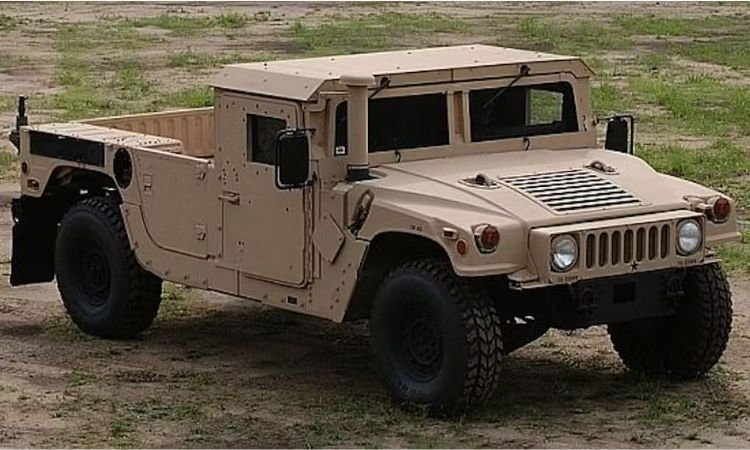
The Military Humvee, or High Mobility Multipurpose Wheeled Vehicle (HMMWV), has become a legendary symbol of military engineering. It is renowned for its versatility, off-road capability, and adaptability to various military needs. From transporting troops to serving as a mobile command center or even carrying out combat operations, the Humvee is one of the most crucial vehicles in the U.S. military’s arsenal.
However, one of the key characteristics of the Humvee that directly impacts its operational effectiveness is its weight. The mass of this vehicle affects various factors such as fuel efficiency, mobility, speed, and overall mission capability. Understanding how much a Military Humvee weighs is essential for those involved in military logistics, vehicle management, and enthusiasts interested in military technology.
In this article, we will delve into the weight of the Humvee in various configurations, break down the differences between various models, and explore the impact of its weight on performance, fuel consumption, and other operational parameters. By the end of this guide, you will have a thorough understanding of the weight of Military Humvees and why it matters in military operations.
What Is a Military Humvee?
The Military Humvee is a 4×4 tactical vehicle designed by AM General for the U.S. military. Developed in the early 1980s, the Humvee was created to replace the jeep and provide a more versatile and capable vehicle for modern military operations. Over time, it has become one of the most iconic and widely recognized military vehicles in the world.
The Humvee is known for its ruggedness and off-road capabilities. It’s designed to withstand difficult terrains, such as mud, sand, and snow, making it an essential vehicle for soldiers operating in remote and challenging environments. Its modular design means it can be easily customized for various purposes, such as troop transport, cargo hauling, command posts, ambulances, and even combat operations.
While its base design remains relatively simple, the Humvee has been adapted for specialized missions, with different configurations available for different tasks. From the M998 model, which is a basic utility vehicle, to the more heavily armored M1114 and M1152 models, the Humvee has seen a variety of upgrades and modifications over the years.
Types of Military Humvees
The Military Humvee is available in several different variants, each tailored for specific military roles. Here are some of the most notable types:
1. Standard Utility Model (M998)
The M998 is the base model of the Humvee, primarily used for transporting soldiers and light cargo. This version is equipped with minimal armor and is lightweight compared to its armored counterparts. It is ideal for missions where protection is not a primary concern, such as logistics or non-combat operations. The M998 has been in service for decades and has formed the backbone of the Humvee fleet.
2. Up-armored Humvee (M1114)
The M1114 is an up-armored version of the M998. It was developed during the early 2000s in response to the increasing threats posed by improvised explosive devices (IEDs) and small arms fire during the Gulf War. The M1114 is equipped with additional armor plating that provides protection against ballistic threats and explosions. This additional protection increases the vehicle’s weight significantly compared to the base model.
3. Enhanced Protection Humvee (M1151, M1152)
The M1151 and M1152 are even more advanced versions of the M1114, offering enhanced protection and payload capabilities. These models are designed to protect against IEDs and other high-threat environments, while also being capable of carrying additional equipment or personnel. The M1151 typically features heavier armor and a higher payload capacity than the M1114, making it ideal for more dangerous combat zones.
4. Specialized Humvees (e.g., M1045, M1097)
The M1045 and M1097 are specialized variants designed for specific missions. The M1045 is equipped with a TOW missile launcher for anti-tank operations, while the M1097 is a heavy-duty version used for cargo hauling and extended payloads. These models come with reinforced suspensions and engines to carry heavy loads while maintaining mobility across difficult terrains.
How Much Does a Military Humvee Weigh?
The weight of a Military Humvee can vary significantly depending on its model, configuration, and any modifications it has received. Here’s an overview of the weight of some of the most common models:
1. M998 (Standard Model)
- Curb Weight: 7,700 lbs (3,493 kg)
- Gross Vehicle Weight: 7,700 lbs (3,493 kg)
The M998 is the base model, and its relatively lightweight design allows it to be highly mobile. This model is commonly used for transporting soldiers, cargo, and equipment in non-combat situations. The weight of the M998 is minimal compared to other variants because it does not have the additional armor protection found in up-armored models.
2. M1114 (Up-armored Humvee)
- Curb Weight: 9,800 lbs (4,445 kg)
- Gross Vehicle Weight: 12,100 lbs (5,489 kg)
The M1114 features additional armor for protection against small arms fire and IEDs, which increases its weight. This weight comes at a cost in terms of fuel consumption and mobility, but it offers a much-needed advantage in high-threat environments. The additional weight makes the M1114 slower and less agile than the M998 but significantly more secure.
3. M1151 (Enhanced Armament Carrier)
- Curb Weight: 9,500 lbs (4,309 kg) – 10,500 lbs (4,763 kg)
- Gross Vehicle Weight: 12,000 lbs (5,443 kg) – 13,000 lbs (5,897 kg)
The M1151 offers enhanced armament and protection compared to the M1114. With its increased armor and firepower, it is a highly effective combat vehicle but comes with a heavier gross weight. This added weight provides greater security in dangerous environments but also makes the vehicle more challenging to maneuver.
4. M1152 (Fully-equipped)
- Curb Weight: 14,000 lbs (6,350 kg) – 17,000 lbs (7,711 kg)
- Gross Vehicle Weight: 16,000 lbs (7,257 kg) – 17,000 lbs (7,711 kg)
The M1152 is the heaviest version of the Humvee, primarily due to the heavy armor and additional weaponry. Fully equipped with turrets, advanced communication systems, and high-powered engines, the M1152 is ideal for the most dangerous and high-risk missions. However, its substantial weight limits its mobility and fuel efficiency.
Comparison Table: Military Humvee Weights
Below is a detailed comparison table showing the curb weight, gross vehicle weight, and other key specifications of different Humvee models:
| Model | Curb Weight (lbs) | Gross Vehicle Weight (lbs) | Armor Level | Payload Capacity (lbs) | Price Range (USD) | Engine Type | Top Speed (mph/km/h) |
|---|---|---|---|---|---|---|---|
| M998 | 7,700 (3,493 kg) | 7,700 (3,493 kg) | None | 2,500 (1,134 kg) | $2,500 – $6,000 | 6.2L V8 Diesel Engine | 70 mph (113 km/h) |
| M1114 | 9,800 (4,445 kg) | 12,100 (5,489 kg) | Level 1 | 2,300 (1,043 kg) | $70,000 – $120,000 | 6.5L V8 Diesel Engine | 65 mph (105 km/h) |
| M1151 | 9,500 (4,309 kg) – 10,500 (4,763 kg) | 12,000 (5,443 kg) – 13,000 (5,897 kg) | Level 2 | 2,500 (1,134 kg) | $100,000 – $150,000 | 6.5L V8 Diesel Engine | 60 mph (97 km/h) |
| M1152 | 14,000 (6,350 kg) – 17,000 (7,711 kg) | 16,000 (7,257 kg) – 17,000 (7,711 kg) | Level 3 | 2,000 (907 kg) | $150,000 – $220,000 | 6.6L V8 Diesel Engine | 55 mph (89 km/h) |
Basics of a Military Humvee’s Weight
The weight of a Military Humvee is a crucial factor that directly influences its performance, mobility, and operational capabilities. Several key elements determine the overall mass of the vehicle, including armor, payload capacity, and engine specifications. Understanding these factors is essential to grasping how the vehicle operates in different environments and missions.
The curb weight of a Humvee refers to the vehicle’s weight without any additional load, such as fuel, payload, or modifications. This measurement provides a baseline for how heavy the vehicle is in its most basic, unloaded form. On the other hand, the gross vehicle weight (GVW) is the total weight of the Humvee when it is fully loaded with fuel, gear, armor, and other necessary equipment for a specific mission. The GVW is a more accurate reflection of how much the Humvee will weigh during active service, as it takes into account the various elements that are added to the vehicle for different tasks.
Armor is one of the most significant contributors to the weight of a Military Humvee. Heavier armor protection increases the mass of the vehicle but provides essential protection for soldiers against threats such as small arms fire, IEDs, and shrapnel. Models like the M1114 and M1152 are heavily armored, making them much heavier than lighter variants such as the M998, which is designed for non-combat roles and lighter missions.
In addition to armor, the payload capacity further increases the weight of the vehicle. Payloads can include weapons, medical equipment, ammunition, and cargo. The more equipment and personnel the Humvee carries, the heavier it becomes. These factors collectively contribute to the overall gross weight of the Humvee, affecting its mobility, fuel efficiency, and operational efficiency on the ground.
Factors Influencing a Military Humvee’s Weight
The weight of a Military Humvee is a crucial factor that affects its operational effectiveness. This weight is not a fixed number but varies significantly based on multiple factors, each contributing to the overall mass of the vehicle. In this article, we will break down the major factors that influence the weight of a Humvee, including armor protection, payload capacity, engine specifications, and additional modifications. Understanding these factors helps explain why different Humvee models perform differently in varying environments and combat scenarios.
1. Armor Protection
One of the most significant contributors to a Military Humvee’s weight is the armor protection that is added to the vehicle. Humvees, particularly those used in combat zones or high-risk environments, are often equipped with heavy armor designed to protect soldiers from explosions, bullets, and shrapnel. As a result, the weight of the Humvee increases substantially depending on the type and level of armor installed.
Up-armored Humvees, such as the M1114, are designed to withstand the impact of small arms fire, IEDs (improvised explosive devices), and shrapnel. The armor typically includes steel plating, ballistic glass, and additional reinforcement in critical areas like the doors, floor, and roof. The extra weight from these protective measures is essential for ensuring the safety of the soldiers inside but can be considerable—often doubling or tripling the vehicle’s weight compared to its non-armored counterpart.
The level of armor protection varies by model. For example:
- M998: The base model of the Humvee, the M998, has little to no armor, making it one of the lighter Humvee variants.
- M1114: Equipped with Level 1 armor, this model is significantly heavier than the M998 due to the added armor protection against small arms fire and shrapnel.
- M1152: This model features even heavier armor, offering Level 3 protection, especially against IEDs and explosions, further increasing its weight.
While heavier armor increases the vehicle’s protection, it also compromises fuel efficiency, speed, and maneuverability. Heavier vehicles are slower to accelerate, consume more fuel, and may struggle with agility, especially in off-road or rugged environments. The need for armor is always balanced with the potential risks in the operational environment, making armor an essential factor when considering the weight of a Humvee.
2. Payload Capacity
Humvees are not only designed for transportation but also for carrying essential cargo and personnel. The more weight a Humvee carries in the form of equipment, supplies, or soldiers, the heavier the vehicle becomes. The payload capacity is a crucial element in the overall weight calculation and affects the vehicle’s performance in multiple ways.
Humvees are equipped to carry various types of mission-specific cargo, including:
- Weapons systems (e.g., machine guns, missile launchers)
- Medical supplies (for field hospitals or rescue missions)
- Ammunition and communication equipment
- Personnel (soldiers, commanders, and specialists)
The M998, for example, can carry up to 2,500 lbs (1,134 kg) of payload, whereas heavier models like the M1152 can carry slightly less due to the added weight of armor and other modifications. This weight directly impacts the gross vehicle weight (GVW), which includes the vehicle’s curb weight plus all the cargo and personnel inside.
The payload capacity affects several performance parameters:
- Fuel Efficiency: The more weight the vehicle carries, the more fuel it requires to operate. Heavier payloads lead to increased fuel consumption, meaning the vehicle has to refuel more often, which can impact long-term operational efficiency.
- Mobility: A heavier vehicle struggles with mobility, especially in environments requiring quick maneuvering or when navigating difficult terrains like mud, snow, or steep inclines. The added weight of both armor and cargo can make it harder for the Humvee to maintain high speeds or quick reactions.
- Vehicle Durability: Overloading a Humvee can strain its suspension, tires, and other mechanical components. The weight from the payload must be managed carefully to ensure the vehicle’s longevity and continued operational readiness.
3. Engine Type
The engine plays a crucial role in determining the overall weight of a Military Humvee. Larger, more powerful engines are required to offset the added weight from armor, payload, and modifications. These engines are designed to provide ample torque and horsepower to keep the vehicle moving even with heavy armor and substantial cargo. However, the power of these engines also contributes significantly to the Humvee’s total mass.
For example:
- M998: Typically equipped with a 6.2L V8 Diesel engine, this model is relatively lightweight compared to up-armored versions but still offers adequate power for standard military operations.
- M1152: Equipped with a larger, more powerful 6.6L V8 Diesel engine, the M1152 is designed to handle the additional weight of heavy armor and large payloads. The added engine size ensures that the vehicle can maintain mobility despite the weight, but it also contributes to the overall mass.
In military operations, powerful engines are critical to ensuring that the Humvee can traverse rough terrain and carry heavy loads while maintaining operational speed. However, these engines add weight to the vehicle’s overall structure. The size and type of engine are carefully selected based on the mission requirements—whether it’s a lightweight vehicle for fast transport or a heavily armored one for high-risk combat.
4. Additional Modifications
Beyond the base vehicle design, additional modifications can significantly impact the weight of a Humvee. These modifications are tailored to specific mission needs and can include everything from weaponry and communication systems to specialized equipment for specific environments or tasks.
For example:
- Weaponry: Adding machine guns, grenade launchers, or anti-tank missiles to a Humvee increases its weight. The M1045 variant, which serves as a TOW missile carrier, has additional weight due to the missile launch system.
- Communication Equipment: Some Humvees are equipped with advanced radio systems and satellite communications gear, which add weight but are essential for command and control operations.
- Specialized Gear: Depending on the mission, Humvees might also be fitted with medical equipment, cargo compartments, or improvised explosive device (IED) detection systems. While these modifications are essential for specific tasks, they also contribute to the vehicle’s total weight.
The balance between adding necessary equipment and maintaining an optimal weight is a critical aspect of Humvee design. Too many modifications can make the vehicle excessively heavy, which might affect its fuel efficiency, speed, and maneuverability.
Why a Military Humvee’s Weight Matters
The weight of a Military Humvee is crucial for several operational reasons. The weight directly impacts the vehicle’s mobility, fuel efficiency, and overall performance:
1. Mobility
A heavier vehicle will naturally be less agile. This is especially critical in off-road or rugged terrain where the Humvee must be able to maneuver efficiently. Heavily armored models, like the M1114, may struggle with maneuverability compared to lighter variants like the M998.
2. Fuel Efficiency
The heavier the vehicle, the more fuel it requires to operate. The M1114 and M1152 consume more fuel than lighter models due to their added weight, which affects their overall efficiency during long missions.
3. Transportability
Weight affects how easily a Humvee can be transported using helicopters, cargo planes, or ships. Lighter models, like the M998, are easier to airlift, which is a crucial consideration when deploying troops or equipment quickly.
4. Operational Performance
The weight also affects how well a Humvee can handle terrain obstacles, like hills, mud, sand, and snow. A heavier Humvee may perform poorly in certain environments, impacting the mission’s success.
How Much Does a Military Humvee Cost?
The cost of a Military Humvee varies depending on its model and configuration. Here’s a rough breakdown of what you can expect:
- M998 (Standard Utility Model): $2,500 – $6,000. This basic model is inexpensive compared to other versions, but it lacks the protection of the more heavily armored variants.
- M1114 (Up-armored): $70,000 – $120,000. The increased cost reflects the armor and improved protection provided by the M1114.
- M1151/M1152 (Enhanced Protection): $100,000 – $220,000. These models offer advanced protection and are often equipped with additional weapon systems and high-performance engines, pushing the price higher.
How Much Does It Cost to Rent a Military Humvee?
Renting a Military Humvee typically ranges from $200 to $500 per day, with variations based on several factors. The location of the rental plays a significant role, as prices can differ across regions or depending on the availability of the vehicle. Some rental services might charge more in urban areas or locations where the demand for military-grade vehicles is higher. Additionally, the duration of the rental impacts the cost, as longer rental periods may come with discounted rates. If the rental period is extended, you may find that the daily rate decreases, making it more affordable for long-term use. Special modifications or additional equipment can also affect the price.
For instance, if you need the Humvee equipped with specific tools or accessories, like communications gear or specialized tires, expect to pay an extra fee. Customization requests for the vehicle itself, such as specific camouflage or military-grade upgrades, will also add to the cost. It’s important to shop around and compare different rental companies to ensure you get the best deal, as prices can vary based on demand, location, and included features. Rental Humvees are often used for events, military simulations, and adventure tours, and pricing can fluctuate based on the intended purpose.
How Much Does a Military Humvee Tire Weigh?
Each tire on a Military Humvee weighs approximately 100 lbs (45 kg), which is significantly heavier than civilian tires. These tires are designed to endure the rugged and challenging terrains that military vehicles often navigate. Given the Humvee’s purpose in off-road and combat situations, the tires are built to be durable, puncture-resistant, and capable of withstanding harsh conditions like sand, mud, snow, and rocky surfaces. The heavy weight of the tires provides additional stability and support, ensuring the vehicle can maintain traction even on uneven or slippery surfaces. This makes the Humvee an effective all-terrain vehicle, suitable for military operations in diverse environments.
The tires are also reinforced to handle the added weight of the vehicle itself, especially in models like the M1114, which are equipped with additional armor. Military Humvee tires are constructed from heavy-duty materials like steel belts and rugged rubber compounds to ensure long-lasting performance and reliability. The specialized nature of the tires also means they are not as readily available as standard civilian tires, and replacing them often requires sourcing them from specialized suppliers who deal with military-grade equipment.
How Much Does a Military Humvee Tire Cost?
The cost of a replacement Military Humvee tire typically ranges between $500 and $1,000 per tire, depending on various factors. The price is influenced by the tire’s specifications, such as its size, tread pattern, and the materials used in its construction. Military Humvee tires are designed for heavy-duty use, which means they are built to withstand extreme conditions and provide superior durability. The materials used to make these tires are of a higher grade compared to civilian tires, contributing to their relatively high cost. Additionally, the added weight of military tires, necessary to handle the vehicle’s load, further increases their price.
Tires for specialized Humvee models, such as the M1114, which are armored, tend to be more expensive due to the additional reinforcement required to support the vehicle’s weight. Custom-made or modified tires to meet specific operational needs or terrain challenges may also drive up the price. It’s essential to note that the cost does not only include the tire itself but also the labor required for installation, which can add to the overall cost of replacing the tires. Since the Humvee is a military vehicle, acquiring replacement tires often involves dealing with specialized suppliers, making the process a bit more complex compared to purchasing tires for civilian vehicles.
How Much Fuel Does a Military Humvee Use?
Fuel consumption for a Military Humvee varies depending on the model, terrain, and weight of additional equipment or armor. The M998 model, a more basic version of the Humvee, typically consumes around 10-15 miles per gallon (mpg). This fuel efficiency is relatively moderate, considering the heavy-duty nature of the vehicle and the often challenging terrains it is designed to navigate. On the other hand, the M1114, which is a more heavily armored version of the Humvee, consumes less fuel due to the additional weight from the armor, averaging about 5-8 mpg. The increased weight requires more energy to move, reducing the overall fuel efficiency.
The fuel consumption of a Humvee can also vary depending on the driving conditions. In rough off-road environments, the vehicle may consume more fuel as the engine works harder to maintain power and traction. In contrast, on paved roads or during less intense driving conditions, fuel consumption may be closer to the higher end of the spectrum. Overall, the fuel efficiency of a Humvee is lower than that of most civilian vehicles due to its robust build, heavy-duty tires, and the specialized equipment it carries, making it less fuel-efficient for everyday use.
How Fast Can a Military Humvee Go?
The top speed of a Military Humvee depends on the specific model and the presence of additional modifications or armor. For the M998, one of the most common versions of the Humvee, the top speed is approximately 70 mph (113 km/h). This speed is considered fast for a military vehicle, especially one built for off-road and tactical operations. However, the vehicle’s primary purpose is not speed but rather the ability to traverse difficult terrains while carrying heavy loads or military personnel. The M1114, a heavily armored version of the Humvee, has a lower top speed of around 65 mph (105 km/h). The added armor increases the weight of the vehicle, reducing its overall speed.
Despite this, the M1114 still maintains sufficient speed for military operations, especially in off-road environments. The M1152, another variant of the Humvee, typically has a top speed of 55 mph (89 km/h), again due to the added armor and modifications designed to enhance its protection and utility. These speeds are suitable for military engagements, though not optimized for high-speed pursuits. The Humvee’s ability to perform well in extreme conditions, rather than its speed, is one of the key aspects that make it an effective military vehicle.
Dimensions of a Military Humvee
The typical dimensions of a Military Humvee are as follows: length—15 ft (4.57 m), width—7 ft (2.16 m), and height—6 ft (1.83 m). These measurements reflect the standard size of the Humvee, which is designed to accommodate both personnel and equipment while being compact enough to maneuver in various environments. The vehicle’s length allows it to carry up to four soldiers and gear, with space for additional cargo if necessary. The width is wide enough to ensure stability and support on rough terrain while maintaining a relatively narrow profile that allows the vehicle to fit into tight spaces during tactical maneuvers.
The height of the Humvee is typically 6 feet (1.83 m), which allows for good ground clearance and the ability to navigate obstacles without compromising the vehicle’s stability. When the vehicle’s turret is removed, the height can be reduced to about 4 ft 6 in (1.37 m), making it easier to transport or store. This height reduction can also improve the vehicle’s aerodynamics, making it slightly more efficient for long-distance travel. The dimensions of the Humvee allow it to strike a balance between carrying capacity, mobility, and maneuverability, which is critical for military operations.
How Much Does a Military Humvee Turret Weigh?
The weight of a typical Military Humvee turret ranges between 500 lbs (227 kg) and 1,000 lbs (454 kg), depending on the type of weaponry and armor mounted on the turret. Turrets are essential for providing the vehicle with an offensive and defensive capability, especially in combat scenarios. The variation in weight is largely determined by the equipment attached to the turret, including machine guns, grenade launchers, or heavier weapon systems.
The heavier turrets are equipped with larger or more powerful weapons, such as automatic cannons, while lighter turrets may only feature smaller, lighter arms. The added weight of the turret can affect the vehicle’s handling, as the Humvee needs to maintain balance and maneuverability despite the additional weight. In some cases, the turret may also have armor or additional shields for protection, further increasing its weight. The turret serves as a key feature for military operations, offering gunners the ability to engage targets while remaining inside the vehicle for protection. The complexity and size of the turret also impact the overall cost and the ease with which it can be replaced or upgraded. Given the critical role the turret plays, it is designed to be durable, able to withstand both combat situations and the harsh conditions in which the Humvee operates.
Conclusion
The weight of a Military Humvee is crucial in determining its performance, efficiency, and effectiveness in various military roles. Understanding the nuances of each model and its respective weight allows military planners and vehicle operators to make more informed decisions regarding their use and deployment.
Fun Facts:
- Built Like a Tank: The Humvee weighs as much as 3.5 average family cars combined. Talk about heavy-duty!
- Tire Workout: Each tire on a Humvee weighs 100 lbs, making it feel like you’re lifting a small refrigerator every time you change one.
- Packing Heat: Add armor, and the Humvee’s weight goes up like it’s been hitting the gym. Armor can push it to over 7,000 lbs!
- Not a Featherweight: At its heaviest, the Humvee weighs more than a baby elephant. It’s no lightweight in the world of military vehicles.
- Heavy But Nimble: Despite the weight, the Humvee can still zoom through rough terrains faster than you’d expect—kind of like a bulldozer with a jet engine!