
When it comes to outfitting your kitchen with the right appliances, the weight of an electric stove is a critical yet often overlooked factor. While most homeowners tend to focus on the stove’s cooking performance, design, and energy efficiency, understanding the weight of an electric stove can make a significant difference when it comes to installation, stability, durability, and overall functionality. The weight of a stove can affect its mobility, how easily it can be installed, and whether it fits into your available space. Additionally, the weight can indicate the overall sturdiness of the appliance and its longevity.
In this comprehensive guide, we will explore everything you need to know about the weight of electric stoves, including the different types of stoves available, the factors that influence their weight, and how to choose the best stove for your kitchen needs based on its weight and features.
What Is an Electric Stove?
An electric stove is a kitchen appliance used to heat and cook food by converting electrical energy into heat. Unlike gas stoves, which rely on combustion, electric stoves use electricity to heat coils or smooth-top elements on the cooktop. These stoves are easy to use and maintain, with many modern models offering advanced features such as self-cleaning ovens, smart connectivity, and energy-saving modes.
Key Components of an Electric Stove:
- Cooktop: The surface where cooking occurs. This can be either metal coils (for coil models), a smooth ceramic-glass top (for smooth-top models), or an induction surface (for induction models).
- Oven: The lower compartment where baking, roasting, and broiling take place. It typically includes racks and an oven door.
- Control Panel: Located at the front, the control panel manages the stove’s settings, allowing users to adjust temperature, set timers, and control cooking modes.
Why Weight Matters
Weight is more than just a number—it plays a significant role in your stove’s installation, mobility, stability, and durability. Heavier stoves often indicate a sturdier build, which can result in increased longevity and reliability. Additionally, understanding the weight of a stove helps you assess its ease of installation, the structural integrity of your kitchen floor, and the overall cooking performance based on materials and design.
Types of Electric Stoves
Electric stoves come in several different styles, each with its own set of characteristics. The weight of a stove is influenced by its type, size, and features. Let’s take a closer look at the three most common types of electric stoves: coil top, smooth-top, and induction stoves.
1. Coil Top Electric Stoves
- Structure: Coil top stoves feature metal coils that heat up when electricity flows through them. These exposed coils sit atop a metal surface, usually made from enameled steel.
- Weight: Coil top stoves are typically the lightest electric stove type, weighing between 100 to 150 pounds (45 to 68 kg). This is because the design is relatively simple, and the materials used are less dense compared to more advanced models.
- Advantages: These stoves are straightforward and affordable, making them ideal for budget-conscious buyers. They are also easy to repair and maintain, as the coils can be replaced without requiring an entirely new appliance.
- Disadvantages: Coil top stoves are harder to clean, as spills can drip between the coils, and the coils themselves take longer to heat up compared to other types of stoves.
2. Smooth-Top Electric Stoves
- Structure: Smooth-top stoves feature a flat, sleek cooking surface made from glass-ceramic material. Under the smooth surface, there are electric heating elements embedded in the cooktop.
- Weight: Smooth-top electric stoves tend to be heavier than coil models, generally weighing between 150 to 200 pounds (68 to 91 kg). This weight increase is attributed to the sturdy glass-ceramic cooktop, additional wiring, and advanced electronic components.
- Advantages: These stoves are much easier to clean due to their flat surface, and they offer a modern, stylish look. They also heat up quickly and provide even heat distribution.
- Disadvantages: The smooth-top surface can be prone to cracking if heavy pots are dropped on it. Additionally, repairs can be more expensive compared to coil top models, especially if the glass surface is damaged.
3. Induction Electric Stoves
- Structure: Induction stoves use electromagnetic fields to heat cookware directly, rather than the stove surface. This allows for faster and more efficient cooking, as heat is transferred directly to the cookware instead of the cooktop.
- Weight: Induction stoves are the heaviest of the three types, generally weighing between 150 to 250 pounds (68 to 113 kg). The additional weight is a result of the advanced induction technology and the premium materials used to construct the cooktop and electronic components.
- Advantages: Induction stoves are highly energy-efficient and provide precise temperature control. They heat up incredibly quickly and are safer to use because the cooktop remains cool to the touch during cooking.
- Disadvantages: Induction stoves require cookware that is compatible with magnetic induction. Not all pots and pans work with induction cooktops, which can be limiting for some users.

How Much Does an Electric Stove Weigh?
The weight of an electric stove is primarily influenced by its type, size, and features. Here are typical weight ranges for the three main types of electric stoves:
- Coil Top Models: These stoves are the lightest, weighing between 100 to 150 pounds (45 to 68 kg). Their simple design and minimalistic features make them the most affordable and easiest to move.
- Smooth-Top Models: These stoves weigh between 150 to 200 pounds (68 to 91 kg). The solid glass-ceramic surface and additional electronic components contribute to their increased weight compared to coil top models.
- Induction Models: Induction stoves are the heaviest, typically weighing between 150 to 250 pounds (68 to 113 kg). The inclusion of high-tech components, advanced induction cooking systems, and premium materials make them the heaviest choice.
Size Matters:
The weight of an electric stove can also vary based on its size. Larger models with more burners, double ovens, and extra features will naturally weigh more than smaller, more basic units. Commercial models or larger capacity stoves can easily exceed 250 pounds (113 kg), while compact units may be closer to 100 pounds (45 kg).
Electric Stove Weight Comparison Table
| Model | Weight (lbs/kg) | Type | Features | Price Range (USD) | Durability | Cooking Efficiency |
|---|---|---|---|---|---|---|
| GE Coil Top Model | 140 / 63.5 | Coil Top | Basic features, manual control | $400 – $600 | Moderate | Standard |
| Whirlpool Smooth-Top Model | 160 / 72.5 | Smooth-Top | Self-cleaning, timer, sleek design | $600 – $800 | High | Fast Heating |
| Samsung Induction Model | 220 / 99.8 | Induction | Wi-Fi connectivity, convection, touch controls | $1,000 – $1,500 | Very High | High Efficiency |
| Frigidaire Professional Induction | 250 / 113.4 | Induction | Multi-burner, advanced induction | $1,500 – $2,000 | Very High | Ultra-Fast |
Note: Prices and durability depend on specific model details and the retailer.
Basics of Electric Stove Weight
The weight of an electric stove can be attributed to several factors, including its type, size, materials, and features. Heavier models typically have more robust components, including thicker surfaces, larger burners, and advanced heating systems, which contribute to greater durability and better performance. Additionally, larger models with multiple burners, convection ovens, or induction technology will naturally be heavier due to the additional components involved.
Key Factors Affecting Weight:
- Material Composition: Heavy-duty materials like stainless steel and glass-ceramic add significant weight to the stove.
- Size and Capacity: Larger stoves with more burners or double ovens will weigh more than smaller, compact models.
- Advanced Technology: Features like induction heating elements, convection ovens, and smart technology contribute to the overall weight due to the additional electronics and high-performance components.
Factors Influencing Electric Stove Weight
The weight of an electric stove can vary significantly depending on several factors. These factors range from the materials used in its construction to the size, design, and added features. Understanding these factors can give consumers a better idea of what to expect when choosing an electric stove and help in selecting the right model for their needs.
1. Material Composition
The materials used in the construction of an electric stove are among the most influential factors in determining its overall weight. Different materials have different densities and weights, which significantly impact the stove’s heft.
- Stainless Steel: This material is widely used in modern kitchen appliances due to its durability, resistance to corrosion, and sleek aesthetic. However, stainless steel is a heavy material, which naturally contributes to the stove’s overall weight. Stainless steel stoves often feel more substantial and robust, lending them a premium feel.
- Cast Iron: Cast iron is another material commonly found in electric stoves, particularly in the construction of burner coils and oven components. Cast iron is known for its excellent heat retention, but it is also notably heavy, making the stove bulkier. Electric stoves that incorporate cast iron tend to be heavier than those made from lighter materials like aluminum or basic steel.
- Glass-Ceramic: Many modern stoves, especially those with smooth-top or induction cooktops, use glass-ceramic materials. These are a mix of glass and ceramic compounds that provide a smooth surface and excellent heat conductivity. While not as heavy as cast iron, glass-ceramic surfaces still add significant weight to the stove, especially when used in larger stoves with multiple burners.
- Induction Components: Induction stoves, which use electromagnetic technology to heat cookware directly, require high-quality components like induction coils, touch panels, and more complex circuitry. These additional high-tech components increase the weight of the stove, making them heavier than basic electric coil stoves or smooth-top models.
2. Size and Capacity
The physical size of an electric stove and its cooking capacity also have a significant impact on its weight. As the stove’s size increases, so does its weight, due to the additional materials required for construction.
- More Burners: Stoves with more than the standard four burners tend to weigh more. A stove with six or even eight burners will naturally require more metal, electrical components, and potentially larger cooking surfaces, making it heavier.
- Additional Ovens: Many modern electric stoves come equipped with double ovens or additional baking compartments. A stove with two ovens, for example, will have additional walls, insulation, and internal components, contributing to the overall weight. These features are often found in higher-end or commercial-grade stoves.
- Extra Features: Some electric stoves also come with features like warming drawers, built-in grills, or storage compartments, all of which require more materials and complex construction, adding to the stove’s overall weight.
- Commercial-Grade Stoves: Stoves intended for commercial kitchens, such as those used in restaurants, are typically larger and built to handle more intensive cooking. These stoves are made from heavy-duty materials to ensure they can withstand the demands of a professional kitchen, making them significantly heavier than residential models.
3. Technology and Features
Incorporating advanced technology into an electric stove often results in an increase in weight. The more sophisticated the stove, the more components are needed to support its functionality.
- Induction Technology: Induction stoves, for example, rely on electromagnetic coils beneath the cooktop surface, which require robust wiring and electronic components to work efficiently. These high-tech components, along with the necessary sensors and touch controls, contribute to the increased weight of induction models.
- Touch Controls and Smart Features: Many modern electric stoves feature digital displays, touch controls, and even smart technology that allows users to control the stove via a smartphone app. While these features add convenience, they also add weight due to the complexity of the internal components.
- Convection Ovens: Some electric stoves come equipped with convection ovens, which circulate air for even cooking. These ovens have additional fans, heating elements, and specialized construction to maintain air circulation, all of which add weight to the appliance.
- Self-Cleaning Systems: Many higher-end electric stoves are equipped with self-cleaning systems, which often require more internal parts such as special coatings, additional sensors, and motorized components to operate. These added features also increase the overall weight.
4. Design Elements
The overall design of an electric stove, including extra features like storage, additional ovens, and built-in compartments, can make a substantial impact on its weight. These elements often require more advanced engineering and construction techniques, as well as more materials.
- Storage Drawers: Some electric stoves have additional storage drawers or compartments designed to hold cooking utensils, bakeware, or other kitchen tools. These compartments require extra metal, hinges, and other structural components, all of which contribute to a heavier stove.
- Warming Compartments: Warming drawers or compartments, which are becoming increasingly common in modern stoves, add weight due to their additional insulation, wiring, and the need for a dedicated heating element.
- Aesthetic Enhancements: Premium design elements, such as sleek finishes, modern touch panels, and advanced control knobs, may also contribute to the weight of the stove. These aesthetic elements can require more substantial materials or additional internal support to ensure durability and longevity.
Why Electric Stove Weight Matters
Installation and Mobility
Heavier stoves are generally more difficult to move and install, making professional installation essential. However, the weight also makes them more stable during use, reducing the risk of tipping over. If you’re in a rental space or frequently relocate, a lighter stove may be more suitable for your needs.
Durability
Heavier electric stoves often indicate more robust construction. These stoves are typically made from premium materials, ensuring they last longer. A well-constructed, heavy stove is more likely to withstand wear and tear, giving you better value for your money.
Safety and Stability
The weight of an electric stove can contribute to its overall stability, which is especially important in households with children. A heavier stove is less likely to shift or tip over, providing added safety.
Here’s A Roundup Of Some Most Popular Best Electric Stove You Can Buy On Amazon
| Preview | Name | Price |
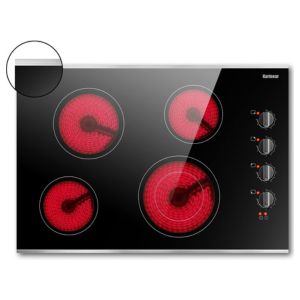 | Karinear 30 Inch Electric Cooktop 4 Burners | VIEW ON AMAZON |
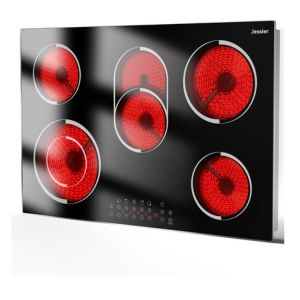 | Electric Cooktop 30 Inch | VIEW ON AMAZON |
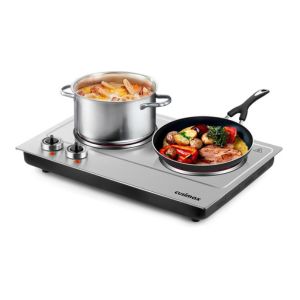 | Hot Plate Cusimax Dual Infrared Burner | VIEW ON AMAZON |
What to Consider While Choosing an Electric Stove
Selecting the right electric stove for your kitchen requires careful consideration of several factors. With numerous options available, it’s essential to evaluate your specific needs to make an informed decision. Here’s a detailed look at the key factors to consider when purchasing an electric stove.
1. Purpose
The first thing to consider when choosing an electric stove is its purpose. Your cooking habits and needs will significantly influence the type of stove you choose.
- Basic Models: If you’re looking for a stove that covers everyday cooking tasks without any frills, a basic electric stove with coil burners or a smooth-top stove might suffice. These models are generally affordable and functional for typical meal preparation.
- Advanced Features: If you prefer more advanced cooking options, such as precise temperature control, a stove with additional features like a convection oven, multiple burners, or a griddle might be ideal. Some high-end models also come with smart features, allowing you to control the stove remotely or track cooking times through apps.
- Induction Stoves: Induction stoves are a great choice if you’re looking for high efficiency and faster cooking times. They use electromagnetic technology to directly heat the cookware, making them more energy-efficient than traditional electric stoves. However, induction stoves require compatible cookware (magnetic base), so consider whether your existing pots and pans are suitable for induction cooking.
2. Kitchen Space
Before purchasing a stove, measure the available space in your kitchen. Electric stoves come in various sizes, and it’s crucial to choose one that fits comfortably without overcrowding the kitchen.
- Standard Sizes: Most electric stoves are 30 inches wide, though there are also smaller models (24 inches) or larger ones for bigger kitchens (36 inches). The size of the stove you choose will depend on how much space you have available and how many burners you need.
- Built-in or Freestanding Models: You’ll also need to decide whether you want a built-in stove, which integrates seamlessly into your kitchen cabinetry, or a freestanding model, which offers more flexibility and can be placed anywhere in your kitchen. Built-in models often require professional installation and may limit the ability to move them around in the future.
3. Budget
Electric stove prices vary widely, depending on the brand, size, type, and features. It’s important to set a realistic budget and stick to it while ensuring the stove meets your basic needs.
- Affordable Models: Basic electric coil stoves and simpler smooth-top models tend to be more budget-friendly. These models are ideal if you don’t need advanced features and want a simple, reliable stove.
- Mid-range Models: For those seeking additional features like convection cooking or self-cleaning options, mid-range models can offer a good balance of price and functionality.
- High-End Stoves: High-efficiency induction stoves, smart stoves, and professional-grade models tend to be more expensive. While these offer advanced features and enhanced cooking performance, they might not be necessary if you only need a stove for basic cooking.
4. Energy Efficiency
Energy efficiency is an important consideration, especially if you want to reduce your utility bills and minimize your environmental footprint.
- Induction Stoves: Among the most energy-efficient electric stoves, induction models heat cookware directly, reducing energy wastage. Induction cooking also tends to be faster, cutting down on cooking times and energy consumption. However, induction stoves usually come at a higher price point.
- Energy-Saving Modes: Many modern electric stoves come with energy-saving modes, such as power-saving features that reduce the heat intensity once the cooking process is complete. This helps minimize energy consumption without sacrificing cooking performance.
- Standard Electric Stoves: Traditional coil or smooth-top electric stoves are less energy-efficient compared to induction stoves but still more efficient than gas stoves in terms of overall energy usage. It’s worth considering the long-term operating costs when making your choice.
5. Maintenance
Maintenance is a key factor when choosing an electric stove, as cleaning and upkeep will affect the longevity and appearance of the appliance. Some models require more maintenance than others, so it’s important to choose one that aligns with your willingness to invest time and effort into keeping it clean.
- Easy-to-Clean Surfaces: Stoves with smooth-top cooktops (glass-ceramic or induction) are typically easier to clean, as they have fewer crevices and are resistant to spills and stains. Wiping down the surface after use is often all that’s required.
- Self-Cleaning Ovens: If you choose a stove with a built-in oven, consider models with self-cleaning functions. These ovens use high heat to burn off food residues, reducing the need for manual scrubbing. However, self-cleaning ovens may take longer to cool down and can consume more energy during the cleaning cycle.
- Coil Burners: Electric coil burners, while more traditional, require more frequent maintenance, as spills can accumulate between the coils, and cleaning them can be more labor-intensive.
How Much Does an Electric Stove Cost?
Electric stove costs vary widely depending on the type, features, and brand:
- Coil Models: Typically range from $400 to $600, offering basic functionality and minimal features.
- Smooth-Top Models: These are priced between $600 and $800, providing better design, quicker heating, and self-cleaning options.
- Induction Models: High-end induction stoves can cost anywhere from $1,000 to $2,000, depending on the advanced features such as Wi-Fi connectivity, energy efficiency, and convection cooking.
Standard Dimensions of an Electric Stove
Electric stoves generally adhere to standard dimensions, making them suitable for most kitchens:
- Width: 30 inches (76.2 cm)
- Depth: 25 to 27 inches (63.5 to 68.6 cm)
- Height: 36 inches (91.4 cm)
Applications and Uses of an Electric Stove
Electric stoves are versatile appliances used for a wide variety of cooking tasks, including:
- Home Cooking: For daily cooking, baking, and roasting.
- Professional Kitchens: Used in restaurants and catering services, especially in busy kitchens.
- Compact Living Spaces: Ideal for smaller apartments and kitchens where space is limited.
How to Choose an Electric Stove Based on Weight
When selecting an electric stove based on weight, consider:
- Installation: Ensure the stove fits in your kitchen space and that your floor can support the weight.
- Cooking Efficiency: Heavier stoves often come with better features like induction or convection heating, so balance weight with performance.
- Long-Term Use: A heavier stove is generally more durable and reliable, making it a better long-term investment.
Conclusion
The weight of an electric stove is an important consideration when choosing the right appliance for your kitchen. By understanding the factors that influence the weight, such as material, size, and features, you can make an informed decision. Whether you’re looking for a budget-friendly coil stove, a sleek smooth-top model, or an energy-efficient induction stove, understanding how weight impacts your choice will help you find the best stove to meet your cooking needs and space constraints.
Fun Facts
- The Weight of Induction Technology: Induction stoves, with their electromagnetic coils and high-tech components, are often heavier than traditional electric coil stoves, even though they have a sleek, modern design.
- Smooth-Top Stoves Are Surprisingly Heavy: Despite their thin, flat surface, smooth-top electric stoves (like those with glass-ceramic cooktops) can still weigh quite a bit due to the sturdy construction needed to support the heating elements.
- Larger Stoves Weigh More: If your electric stove has more burners, a double oven, or extra compartments, expect it to be much heavier. Some models can weigh over 250 pounds!
- Heavy-Duty Cast Iron: Some electric stoves use cast iron burners or components, which are great for heat retention but also add considerable weight to the overall appliance.
- The Commercial Difference: Commercial-grade electric stoves are built to handle high-volume cooking, so they’re made from durable materials and are much heavier than residential models, often exceeding 300 pounds!