
When embarking on a landscaping project, one of the key elements to consider is the weight of the mulch you’ll be using. A cubic yard of mulch can make a substantial difference not just in terms of aesthetics but also in how it impacts the functionality of your garden or landscaping space.
From moisture retention to regulating soil temperature and preventing weed growth, mulch serves as an essential component for successful landscaping. However, the weight of mulch varies widely, depending on its type, moisture content, and compaction.
Understanding the weight of a cubic yard of mulch is not only crucial for logistical reasons but also helps you make informed decisions about delivery, cost, and the amount needed for your project.
In this comprehensive guide, we’ll explore the different types of mulch available, how their weights differ, and the factors that influence mulch weight. We’ll also provide useful insights on how to select the right type of mulch for your needs, taking weight and other factors into consideration.
What Is A Cubic Yard Of Mulch?
A cubic yard is a standard unit of measurement used to describe the volume of material. It refers to the amount of space a material occupies, which is equal to a cube that measures 3 feet (0.91 meters) on each side. A cubic yard contains 27 cubic feet (0.76 cubic meters) of material.
When applied to mulch, this volume indicates the quantity needed to cover a specific area at a particular depth. For example, if you spread one cubic yard of mulch over a garden bed, it would cover approximately 324 square feet (30.1 square meters) at a 1-inch depth or 81 square feet (7.5 square meters) at a 4-inch depth.
Mulch plays an important role in landscaping, serving as a protective layer on top of the soil. Its primary functions include retaining soil moisture, suppressing weed growth, moderating soil temperatures, and enhancing the visual appeal of garden beds and pathways. Given these benefits, the weight of mulch becomes crucial, especially when planning for transport, delivery, or application in your landscaping project. Understanding the weight will also help you determine the amount of mulch required to cover a given area efficiently.
Types Of Mulch and Their Weights
Mulch comes in various forms, each made from different materials, and the weight of a cubic yard can vary significantly depending on the composition. The most common types of mulch include wood, bark, rubber, compost, and stone. Each of these types has its own characteristics and weight profile, which can affect its application and suitability for various landscaping needs.
1. Wood Mulch
- Description: Wood mulch is made from shredded wood, often from trees like pine, cedar, and hardwood. It’s commonly used because of its natural look and its ability to retain moisture. It is available in different types, depending on the tree species, and can come in various textures and colors.
- Weight: A cubic yard of dry wood mulch weighs between 400 and 800 pounds (181 to 362 kg). The exact weight depends on the wood species and the moisture content. When wet, the weight can increase by as much as 10 to 30%, making the mulch significantly heavier than its dry counterpart.
2. Bark Mulch
- Description: Bark mulch is derived from the bark of trees like pine, cedar, or fir. It’s highly valued for its durability and attractive appearance. Bark mulch decomposes slowly, making it a long-lasting mulch choice for garden beds and landscapes.
- Weight: Bark mulch typically weighs between 500 to 700 pounds (227 to 318 kg) per cubic yard when dry. If the mulch absorbs moisture, its weight can increase, bringing it closer to 700 to 1,000 pounds (318 to 454 kg).
3. Rubber Mulch
- Description: Rubber mulch is made from shredded recycled rubber, often sourced from used tires. It is non-biodegradable, meaning it doesn’t decompose like organic mulches. This type of mulch is highly durable, long-lasting, and requires little maintenance.
- Weight: Rubber mulch is heavier than organic types, typically weighing between 700 and 1,000 pounds (317 to 454 kg) per cubic yard. Because rubber does not absorb water, its weight remains consistent, regardless of moisture levels.
4. Compost Mulch
- Description: Compost mulch is created from organic matter such as leaves, grass clippings, and food scraps that have decomposed. It is rich in nutrients, making it excellent for improving soil structure and providing essential nutrients to plants.
- Weight: A cubic yard of compost mulch weighs between 800 and 1,200 pounds (362 to 544 kg), depending on the decomposition level and moisture content. Wet compost can be considerably heavier, especially when it’s freshly made.
5. Stone/Gravel Mulch
- Description: Unlike organic mulches, stone or gravel mulch is made from small stones, pebbles, or crushed rock. It is typically used for decorative purposes or in areas where decomposition is not a concern, such as driveways, pathways, or rock gardens.
- Weight: Stone or gravel mulch is the heaviest type, with a cubic yard weighing between 2,000 and 3,000 pounds (907 to 1,361 kg). This weight remains largely unchanged, as stone does not absorb water.
How Much Does A Cubic Yard Of Mulch Weigh?
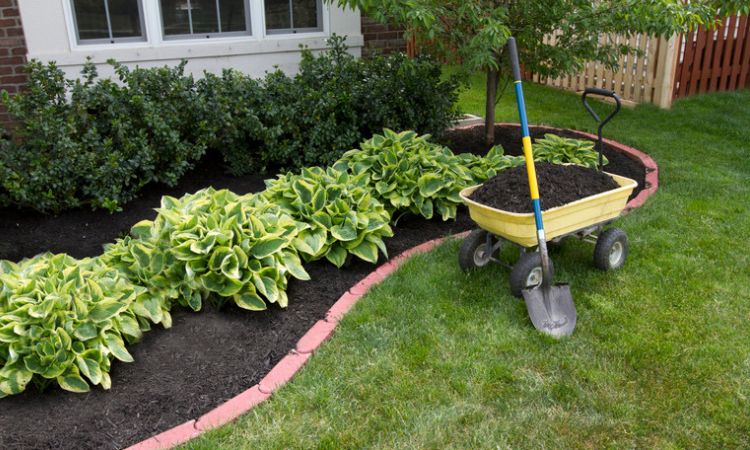
The weight of a cubic yard of mulch varies significantly depending on its type, material composition, and moisture content. A cubic yard is a unit of volume equivalent to a 3-foot cube, containing 27 cubic feet of material. While the volume remains constant, the weight will fluctuate based on the material used to make the mulch.
Wood Mulch
Wood mulch is one of the most commonly used types of mulch and is made from shredded wood, including species like pine, cedar, and hardwood. A cubic yard of dry wood mulch typically weighs around 400 to 800 pounds (181 to 362 kg). When the mulch becomes wet, the weight increases by approximately 10 to 30%, which means wet wood mulch can weigh anywhere from 600 to 1,000 pounds (272 to 454 kg). The exact weight depends on the species of wood and how much moisture the mulch has absorbed.
Bark Mulch
Bark mulch, made from the bark of trees such as pine, cedar, and fir, is heavier than wood mulch. It is known for its slow decomposition rate and excellent aesthetic appeal. A cubic yard of dry bark mulch weighs between 500 and 700 pounds (227 to 318 kg). As with wood mulch, moisture increases the weight, and wet bark mulch can range from 700 to 1,000 pounds (318 to 454 kg) per cubic yard.
Rubber Mulch
Rubber mulch, often made from recycled tires, is denser and much heavier compared to organic mulches. Since rubber does not absorb moisture, its weight remains consistent whether dry or wet. A cubic yard of rubber mulch typically weighs between 700 and 1,000 pounds (317 to 454 kg). Rubber mulch’s durability and longevity make it heavier than organic options but also more cost-effective in the long run since it does not decompose over time.
Compost Mulch
Compost mulch is made from decomposed organic matter like leaves, grass clippings, and food waste. It is nutrient-rich and offers great benefits for soil health. A cubic yard of compost mulch weighs around 800 to 1,200 pounds (362 to 544 kg), depending on its moisture content and decomposition stage. Wet compost, being denser, can easily push the weight towards the higher end of the range, often reaching over 1,500 pounds (680 kg) per cubic yard.
Stone/Gravel Mulch
Stone or gravel mulch is typically used in non-planting areas like pathways or driveways. It is the heaviest mulch type, with a cubic yard weighing between 2,000 and 3,000 pounds (907 to 1,361 kg). Stone or gravel mulch does not decompose and maintains its weight consistently, making it a long-lasting option. This type of mulch is used primarily for decorative purposes and for creating durable surfaces.
Comparison Table: Mulch Types and Their Weights
| Mulch Type | Dry Weight (lbs/cu yd) | Dry Weight (kg/cu yd) | Wet Weight (lbs/cu yd) | Wet Weight (kg/cu yd) | Features | Cost Range (USD) |
|---|---|---|---|---|---|---|
| Wood Mulch | 400–800 | 181–362 | 600–1,000 | 272–454 | Moisture retention, natural look | $30–$60 |
| Bark Mulch | 500–700 | 227–318 | 700–1,000 | 318–454 | Long-lasting, slow decomposition | $50–$80 |
| Rubber Mulch | 700–1,000 | 317–454 | 700–1,000 | 317–454 | Durable, non-biodegradable | $100–$150 |
| Compost Mulch | 800–1,200 | 362–544 | 1,000–1,500 | 454–680 | Nutrient-rich, soil improvement | $40–$70 |
| Stone/Gravel Mulch | 2,000–3,000 | 907–1,361 | 2,000–3,000 | 907–1,361 | Heavy, non-decomposing | $100–$200 |
Basics Of A Cubic Yard Of Mulch Weight
The weight of a cubic yard of mulch is influenced by several important factors that can significantly impact its overall mass. Understanding these factors is essential for making informed decisions when ordering mulch for landscaping projects. Let’s explore the three key factors that determine the weight of mulch.
1. Material Composition
The primary factor that influences the weight of mulch is the material from which it is made. Mulch is often composed of organic materials such as wood, bark, leaves, and compost, but it can also include inorganic materials like rubber or stone.
- Organic Mulches: Materials like wood chips or bark are generally lighter than synthetic or mineral-based mulches. For example, a cubic yard of wood mulch weighs around 400 to 800 pounds (181 to 362 kg), while bark mulch might weigh slightly more due to its denser structure.
- Inorganic Mulches: Mulches made from materials like rubber or stone are significantly denser and heavier. Rubber mulch, made from recycled tires, typically weighs between 700 to 1,000 pounds (317 to 454 kg) per cubic yard, while stone or gravel mulch can weigh up to 3,000 pounds (1,361 kg).
The material’s inherent density affects how heavy a cubic yard of mulch will be, and thus determines the type of mulch best suited for different landscaping applications.
2. Moisture Content
Moisture plays a significant role in determining mulch weight. Wet mulch is substantially heavier than dry mulch because water adds mass to the material.
- Wet Mulch: When mulch absorbs water, it can increase the weight by 10 to 30%, depending on how much moisture it holds. For instance, a cubic yard of dry wood mulch may weigh about 400 pounds (181 kg), but when wet, it could weigh closer to 600 pounds (272 kg).
- Dry Mulch: On the other hand, dry mulch is lighter and easier to transport, which is why dry mulch is often preferred for delivery and storage before it is spread.
Understanding the moisture content helps you accurately estimate the weight for both ordering and delivery.
3. Compaction
The way mulch is compacted affects its density and weight. Compacted mulch is denser and heavier than loose mulch because the particles are packed together more tightly.
- Loose Mulch: When mulch is loosely packed, it takes up more space and is lighter. This is the most common form of mulch for delivery, as it’s easier to handle and spread.
- Compacted Mulch: When mulch is compressed, either during transport or storage, the density increases, causing the mulch to weigh more per cubic yard. This is especially important when calculating the weight for transport since compacted mulch will take up less space in a truck but will increase the overall weight.
Compaction is particularly relevant when transporting mulch, as the amount of space and the total weight will affect both the cost of transportation and how much mulch is required for the project.
Factors Influencing A Cubic Yard Of Mulch Weight
The weight of mulch plays a crucial role in various aspects of landscaping, from transportation to application. Whether you’re using mulch for a small garden bed or a large commercial project, understanding the factors that affect mulch weight can help you make better decisions and avoid unexpected costs or complications. The weight of mulch is influenced by several factors, and each factor plays a part in determining how easy or difficult it is to handle, transport, and apply. Let’s dive into the key factors that influence mulch weight: material type, moisture content, and particle size and compaction.
1. Type of Material
The type of material used to make the mulch is one of the most significant factors affecting its weight. Mulch can be made from organic materials like wood, bark, and compost, or from inorganic materials like rubber and stone. Each type of material has a different density, which directly impacts the overall weight of a cubic yard of mulch.
Organic Mulches (Wood and Bark)
- Wood Mulch: Organic mulches, such as those made from shredded wood (pine, cedar, hardwood), tend to be lighter in weight. Wood mulch typically weighs between 400 to 800 pounds (181 to 362 kg) per cubic yard when dry. Its weight can increase by about 10 to 30% when wet, making it significantly heavier.
- Bark Mulch: Bark mulch, which comes from tree bark, especially from pine, cedar, or fir, is also relatively light compared to stone or rubber. A cubic yard of dry bark mulch weighs between 500 to 700 pounds (227 to 318 kg). Bark mulch is highly durable and decomposes slowly, making it an ideal choice for landscaping, but it’s still light enough to be easy to transport and handle.
Both wood and bark mulches are popular for their ability to retain moisture, suppress weeds, and improve the overall appearance of garden beds. They are often used for ornamental purposes and for areas where moisture retention and soil improvement are priorities.
Non-Organic Mulches (Rubber and Stone)
- Rubber Mulch: Made from recycled tires, rubber mulch is significantly denser and heavier than organic mulches. A cubic yard of rubber mulch typically weighs between 700 to 1,000 pounds (317 to 454 kg), regardless of whether it is wet or dry. This is because rubber doesn’t absorb water the way organic mulches do, so its weight remains relatively constant.
Rubber mulch is commonly used for areas that require durability and long-lasting performance. It is often chosen for playgrounds, walking paths, and other high-traffic areas due to its ability to withstand weather conditions and prevent erosion.
- Stone/Gravel Mulch: Stone or gravel mulch is the heaviest type of mulch, with a cubic yard weighing anywhere from 2,000 to 3,000 pounds (907 to 1,361 kg). This type of mulch is made from crushed stone, pebbles, or gravel, and it doesn’t decompose like organic mulches. While stone mulch is perfect for creating decorative elements in a landscape or for functional areas like driveways and pathways, its weight can pose challenges when it comes to transportation and handling.
Stone and rubber mulches are typically used in areas where aesthetics, durability, and low maintenance are the top priorities, while organic mulches like wood and bark are ideal for areas that require regular soil improvement and moisture retention.
2. Moisture Content
The moisture content in mulch is a significant factor influencing its weight. Mulch can absorb moisture from the environment, especially after rainfall or when exposed to high humidity. Wet mulch is much heavier than dry mulch because the water adds weight, and a cubic yard of mulch can absorb a substantial amount of moisture.
Wet Mulch vs. Dry Mulch
- Wet Mulch: When mulch absorbs water, it can increase its weight by 10 to 30% or more. For example, a cubic yard of dry wood mulch weighing 400 pounds (181 kg) can weigh up to 600 pounds (272 kg) once it has soaked up water. The same applies to other types of mulch, including bark, rubber, and stone (though the weight increase is less noticeable with rubber and stone).
- Dry Mulch: Dry mulch, especially organic types like wood and bark, is much lighter and easier to handle. Dry mulch is the preferred form when it comes to transportation and storage, as it is more compact and lighter to lift or load.
When ordering mulch, it’s important to be aware of the moisture content, particularly if you are ordering it after a rainfall or during a humid season. Wet mulch may cost more to deliver, and you may receive fewer cubic yards in one delivery since the weight per cubic yard increases with moisture. Additionally, transporting wet mulch could require more trips if your vehicle’s weight capacity is limited.
3. Particle Size and Compaction
Another key factor affecting the weight of mulch is the particle size and how compacted the mulch is when it is stored or transported. The size of the mulch particles, whether they are fine, coarse, or shredded, plays a significant role in determining how much space the mulch takes up and how densely it can be packed.
Particle Size
- Smaller Particles: Finer, smaller mulch particles tend to settle more tightly together when stacked or stored. This can increase the density of the mulch, making it heavier per cubic yard. For example, finely shredded mulch particles will pack more tightly together, leading to a denser and heavier load.
- Coarser Particles: Coarse, chunky mulch particles, like large wood chips or bark pieces, do not settle as tightly, which makes the mulch bulkier and lighter. These types of mulches take up more space and are easier to handle when spread out but may require more material to cover the same area as finer mulches.
Compaction
- Loose Mulch: Loose mulch is typically lighter because there is more air space between the pieces of material. This allows for better airflow and easier spreading, but it may be less dense, which means it will take up more space for the same weight.
- Compacted Mulch: When mulch is compacted (either during delivery or when stacked tightly for storage), it becomes denser, which makes it heavier. Compaction forces the particles closer together, reducing the air spaces between them. This results in a more tightly packed, heavier load. Mulch that is compressed during transportation can affect how much material you actually need to cover a given area, so it’s essential to account for this when ordering or calculating.
Why Mulch A Cubic Yard Of Mulch Weight Matters
Understanding the weight of mulch is crucial for several reasons:
- Transportation: You need to ensure that your vehicle can handle the weight of the mulch. Overloading a vehicle can lead to safety issues or damage, and it could be illegal in some cases. Knowing the weight helps you plan for safe transportation.
- Cost Calculation: Many mulch suppliers charge based on the weight of the mulch, so understanding the weight of the material helps you calculate how much it will cost to have it delivered. Heavier mulches will typically incur higher transportation costs.
- Application: The weight of mulch also impacts how much area it will cover. Heavier mulches, such as stone or compost, will provide more substantial coverage, while lighter mulches may require more frequent application.
What To Consider While Choosing A Cubic Yard Of Mulch
Selecting the right mulch for your landscaping project goes beyond just picking a material based on appearance. There are several important factors that you should take into account before choosing a cubic yard of mulch, as each factor influences both the practical and aesthetic aspects of your landscaping. Whether you’re using mulch to improve soil health, reduce weed growth, or add a decorative touch to your garden, understanding these considerations will help ensure that you get the best value for your investment and achieve the results you desire.
1. Purpose
The first step in choosing mulch is to clearly define the purpose it will serve in your landscaping. Different mulch types are designed for specific uses, and selecting the right one will ensure that it fulfills your needs effectively.
Decorative Purposes
- Rubber Mulch: Rubber mulch, made from recycled tires, is an excellent choice for decorative purposes. It comes in a variety of colors and is durable, making it ideal for creating visually appealing landscapes that require low maintenance. Since it doesn’t decompose, rubber mulch is often used for playgrounds, pathways, and garden beds where long-lasting color is desired.
- Stone or Gravel Mulch: Stone or gravel mulch is typically used in non-planting areas such as pathways, driveways, and around hardscapes like patios or fountains. It offers a highly durable and aesthetically pleasing solution that does not decompose. Stone mulch is ideal if you’re looking for a more permanent, low-maintenance option.
Soil Improvement and Moisture Retention
- Compost Mulch: If your primary goal is to improve soil health, compost mulch is a great option. Made from decomposed organic matter, compost enriches the soil with essential nutrients and microorganisms, which helps in improving soil structure and promoting healthy plant growth. It’s an excellent choice for vegetable gardens or flower beds where nutrient-rich soil is essential.
- Wood and Bark Mulch: Organic mulches like wood and bark are commonly used for moisture retention, temperature regulation, and soil enrichment. These mulches decompose over time, adding organic matter to the soil, which improves its fertility and structure. Bark mulch, in particular, is long-lasting and provides excellent weed control.
Weed Suppression
- Wood and Bark Mulch: Organic mulches, such as wood and bark, are excellent for weed suppression. By covering the soil surface, they prevent sunlight from reaching weed seeds, reducing the chance of weeds sprouting. Additionally, as the organic mulch decomposes, it adds beneficial nutrients to the soil, helping your plants thrive while keeping unwanted weeds at bay.
2. Weight Capacity
One of the most practical considerations when selecting mulch is the weight. Mulch is typically sold by the cubic yard, and the weight of each cubic yard can vary depending on the type of mulch you choose. If you’re transporting the mulch yourself, you need to ensure that your vehicle can safely carry the weight.
Heavier Mulches
- Stone or Gravel Mulch: Stone mulch is by far the heaviest, with a cubic yard weighing between 2,000 to 3,000 pounds (907 to 1,361 kg). While stone mulch is excellent for durability and aesthetics, its weight requires careful consideration when planning transport. If you’re using a standard truck, you may need to make multiple trips, or hire a professional delivery service that can handle the heavy load.
- Rubber Mulch: Rubber mulch is also heavy, weighing between 700 to 1,000 pounds (317 to 454 kg) per cubic yard. It’s more manageable than stone mulch, but still significantly heavier than organic mulches like wood or bark. If you’re planning to move the mulch in a small vehicle or a trailer, make sure that the vehicle’s weight capacity can accommodate the load.
Lighter Mulches
- Wood and Bark Mulch: These types of mulch are lighter than rubber or stone, with a cubic yard typically weighing between 400 and 800 pounds (181 to 362 kg). This makes them easier to handle, especially for DIY projects. However, be aware that if the mulch gets wet, its weight will increase, potentially affecting the number of cubic yards you can transport at one time.
When ordering mulch, it’s crucial to ask your supplier about the mulch’s moisture content and weight. Wet mulch can add significant weight, which may require additional trips for transportation or could lead to higher delivery costs.
3. Cost
Cost is another essential factor when selecting mulch for your landscaping project. Mulch is typically priced per cubic yard, but the cost can vary widely depending on the type of mulch, the supplier, and the delivery location. Understanding the cost structure will help you determine the best mulch that fits both your budget and your landscaping needs.
Organic Mulches (Wood, Bark, Compost)
- Wood Mulch: Organic mulches, such as wood and bark, are generally more affordable, with prices ranging from $30 to $60 per cubic yard. These types of mulch are widely available and come in various forms, such as shredded wood, chips, or sawdust. They are excellent for moisture retention and improving soil structure, making them a cost-effective option for garden beds and landscaping projects.
- Compost Mulch: Compost is slightly more expensive than wood and bark mulch, typically costing between $40 and $70 per cubic yard. The extra cost is due to the nutrient-rich nature of compost, which provides additional value by enriching the soil and promoting plant growth. Compost mulch is ideal for vegetable gardens, flower beds, and any area where improving soil health is a priority.
Synthetic Mulches (Rubber, Stone)
- Rubber Mulch: Rubber mulch is one of the most expensive options, with costs ranging from $100 to $150 per cubic yard. While it is durable and requires minimal maintenance, it is more expensive than organic mulches due to its long-lasting nature and the recycling process required to produce it. Rubber mulch is often used for playgrounds, high-traffic areas, and decorative landscaping.
- Stone or Gravel Mulch: Stone mulch is the most expensive option, often ranging from $100 to $200 per cubic yard. The price is influenced by the type of stone used, with some decorative rocks or gravel varieties being more costly. Stone mulch is highly durable and low-maintenance, but the upfront cost can be significant compared to organic options.
Balancing Cost and Long-Term Benefits
While the initial cost of synthetic mulches like rubber or stone can be higher, these materials tend to last much longer than organic mulches, which decompose over time. Therefore, it’s important to consider the long-term benefits. For example, rubber mulch and stone mulch may have a higher upfront cost, but they require little to no maintenance and will not need to be replenished regularly. Organic mulches, on the other hand, offer better soil enrichment but may need to be replaced more frequently.
4. Environmental Impact
As the environmental impact of landscaping materials becomes an increasing concern, it’s essential to choose mulch that aligns with your sustainability goals. Organic mulches like wood, bark, and compost are biodegradable and break down naturally over time, enriching the soil and promoting plant growth. Additionally, compost mulch is often made from recycled organic waste, making it a more eco-friendly option.
In contrast, rubber mulch and stone mulch are non-biodegradable. While these materials can provide long-lasting benefits and require less frequent replacement, they do not contribute to soil health as organic mulches do. Consider the environmental implications when choosing the best mulch for your project, especially if sustainability is a priority.
5. Aesthetic Considerations
The visual appeal of your landscape is another important factor in selecting mulch. Certain types of mulch, such as rubber and stone, are often chosen for their aesthetic qualities. Rubber mulch is available in a variety of colors, making it a popular choice for decorative purposes. Similarly, stone mulch can add texture and visual interest to pathways, driveways, and garden beds.
Organic mulches like wood and bark provide a natural look that blends seamlessly with plants, creating a more traditional, earthy appearance. These mulches can also be dyed in various colors, allowing for customization based on your design preferences.
How Much Does A Cubic Yard Of Mulch Cost?
The cost of mulch depends largely on the type and material used:
- Wood Mulch: Typically costs between $30 to $60 per cubic yard.
- Bark Mulch: Ranges from $50 to $80 per cubic yard.
- Rubber Mulch: Generally more expensive, costing between $100 and $150 per cubic yard.
- Compost Mulch: Prices range from $40 to $70 per cubic yard.
- Stone/Gravel Mulch: The most expensive, ranging from $100 to $200 per cubic yard.
These prices may vary based on your location, the supplier, and whether the mulch is purchased in bulk or by the bag.
Standard Dimensions/Height Of A Cubic Yard Of Mulch
A cubic yard of mulch is equivalent to 27 cubic feet (0.76 cubic meters) of material. It can cover:
- 324 square feet (30.1 square meters) at a 1-inch depth.
- 81 square feet (7.5 square meters) at a 4-inch depth.
This helps in estimating how much mulch you will need to cover a given area, depending on the desired depth.
Applications and Uses of A Cubic Yard Of Mulch
Mulch is a versatile material used in a variety of landscaping and gardening applications:
- Weed Prevention: By blocking sunlight, mulch prevents weed growth.
- Moisture Retention: Helps keep the soil moist by reducing evaporation.
- Soil Temperature Regulation: Mulch provides insulation for plant roots, keeping them cooler in summer and warmer in winter.
- Aesthetic Enhancement: Adds color and texture to garden beds and pathways, enhancing the overall look of your landscape.
How To Choose A Cubic Yard Of Mulch Based on Weight
When selecting mulch based on weight, you should consider:
- Transport Needs: Ensure that the vehicle transporting the mulch can handle the weight. Overloading your vehicle may lead to fines or safety issues.
- Type of Mulch: Consider the function of the mulch. For example, compost mulch is ideal for soil enrichment, while stone or rubber mulch is better for decorative purposes.
- Cost: Weigh the long-term benefits of using a specific type of mulch against the initial cost. Heavier, durable mulches like stone or rubber may require a higher upfront investment but will last longer.
How Much Does A Cubic Yard Of Mulch Hold?
A cubic yard of mulch holds:
- 27 cubic feet (0.76 cubic meters) of material.
- Approximately 202 gallons (765 liters) of water when wet.
Conclusion
Understanding how much a cubic yard of mulch weighs is essential for making informed decisions about purchasing, transporting, and applying mulch. By considering factors like type, weight, cost, and application, you can choose the right mulch for your landscaping project. Whether you’re aiming for moisture retention, weed suppression, or aesthetic appeal, knowing the weight of your mulch will help you plan better, avoid complications, and ensure a successful landscaping project.
Fun Facts
- A cubic yard of mulch typically weighs between 600 to 1,000 lbs (272 to 454 kg) — that’s like lifting a heavy sack of potatoes, but a whole lot more spread out!
- Mulch is pretty “light” compared to other landscaping materials — it’s like your garden’s comfy blanket, keeping things cozy and cool.
- The weight can vary depending on the type of mulch — wood chips might be lighter, while a mix with soil can weigh a lot more (talk about a heavy hitter!).
- One cubic yard of mulch covers about 100 square feet of garden — perfect for giving your flower beds a fresh, stylish look!
- If you’re hauling it yourself, remember: a cubic yard of mulch weighs as much as a small cow, so grab a friend or two!