
Bark mulch is a staple in landscaping, serving a variety of purposes, from moisture retention to enhancing the aesthetic appeal of outdoor spaces. If you’ve ever tackled a landscaping project, you may have come across this essential material, whether for weed control, erosion prevention, or simply as a decorative addition. However, one crucial aspect of using bark mulch is understanding how much a cubic yard of it weighs.
Knowing the weight of a cubic yard of bark mulch is not just a matter of curiosity—it has practical implications. The weight can influence how much mulch you need for your project, how much transportation will cost, and how much effort it will take to apply it in your garden.
Different types of bark mulch have varying weights, and factors such as moisture content, the type of tree the bark is derived from, and the degree of compaction can all affect its total weight. This article will explore these variations in detail, helping you make informed decisions for your landscaping needs.
By the end, you’ll be equipped with a thorough understanding of bark mulch, from its types to the weight differences, so you can choose the right option for your next project.
What Is A Cubic Yard Of Bark Mulch?
A cubic yard is a unit of volume commonly used to measure bulk materials like bark mulch. One cubic yard equals 27 cubic feet (3 feet x 3 feet x 3 feet), which is the space a volume of material occupies. While this may seem straightforward, understanding the weight of bark mulch can be more complex, as it depends on various factors.
Bark mulch is made from the outer bark of trees, often pine, cedar, hardwood, redwood, or cypress. The bark is either shredded or chipped into small pieces to be used in landscaping. This organic material is often favored for its ability to retain moisture, suppress weeds, and provide an attractive, natural look to garden beds. It also offers a variety of benefits, including erosion control on slopes and soil improvement as it decomposes.
The weight of a cubic yard of bark mulch depends significantly on the type of bark used, its moisture content, and how finely it is shredded. These factors contribute to the density and texture of the mulch. For instance, freshly harvested pine bark, which is lighter and less dense, will weigh less than compressed, densely packed hardwood mulch, which is much heavier.
Types of Bark Mulch
Bark mulch comes in a variety of types, each with its unique properties, including texture, appearance, and weight. Understanding these differences is essential when selecting mulch for your landscaping project. Here’s a detailed look at the various types of bark mulch:
Pine Bark Mulch
Pine bark mulch is among the lightest types available. It comes from the outer bark of pine trees, which is shredded or chipped into small pieces. This type of mulch has a reddish-brown color and is prized for its ability to break down quickly, enriching the soil with nutrients in the process. It’s ideal for gardeners looking to improve soil health in the short term.
- Texture: Coarse and loose, making it easy to spread.
- Decomposition Rate: Fast, breaks down within a year or two.
- Aesthetic Appearance: Reddish-brown to orange tones, provides a natural, rustic look.
Cedar Bark Mulch
Cedar bark mulch is known for its aromatic scent, which is naturally insect-repelling. It is a slower-decomposing mulch, which makes it a great option for long-term use. The deep reddish-brown to purple hues make it an attractive choice for garden beds and pathways.
- Texture: Medium to coarse, with a distinct aroma.
- Decomposition Rate: Slow, lasting several years.
- Aesthetic Appearance: Rich reddish-brown color, elegant appearance.
Hardwood Bark Mulch
Hardwood bark mulch is made from trees like oak, maple, and beech. It is heavier than pine and cedar mulch and decomposes more slowly. Hardwood bark has a darker color and is ideal for projects that require long-lasting coverage.
- Texture: Fine to medium, often more compact.
- Decomposition Rate: Slow, lasting several years.
- Aesthetic Appearance: Dark brown to black tones, provides a more formal look.
Redwood Bark Mulch
Redwood bark mulch comes from the bark of redwood trees, which are known for their durability and resistance to decay. This type of mulch is often used in upscale landscaping projects due to its attractive appearance and long lifespan. It is naturally resistant to insects and moisture.
- Texture: Coarse, with large pieces.
- Decomposition Rate: Slow, lasts up to five years.
- Aesthetic Appearance: Rich red-brown color, adds luxury to landscapes.
Cypress Bark Mulch
Cypress mulch is derived from cypress trees and is popular in areas with high humidity. It is known for its resistance to mold, mildew, and decay. This mulch is typically a light brown color and is ideal for tropical or subtropical climates.
- Texture: Medium to coarse, with a fibrous quality.
- Decomposition Rate: Slow, resistant to decay.
- Aesthetic Appearance: Light brown with subtle golden hues.
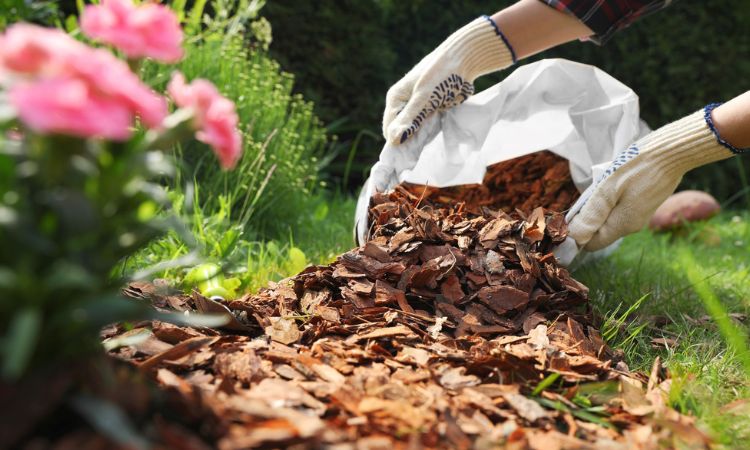
How Much Does A Cubic Yard Of Bark Mulch Weigh?
The weight of a cubic yard of bark mulch can vary greatly depending on the type of bark, moisture content, and whether the mulch is compressed. Here’s a breakdown of the typical weight range for each type of mulch:
- Pine Bark Mulch: Pine bark typically weighs 400–600 pounds (approximately 180–270 kg) when dry and 600–800 pounds (approximately 270–360 kg) when wet.
- Cedar Bark Mulch: Cedar bark mulch generally weighs 350–600 pounds (approximately 160–270 kg) when dry and 500–750 pounds (approximately 225–340 kg) when wet.
- Hardwood Bark Mulch: This mulch weighs between 500–800 pounds (approximately 225–360 kg) when dry and 800–1,000 pounds (approximately 360–450 kg) when wet.
- Redwood Bark Mulch: Redwood bark is lighter, typically weighing around 300–500 pounds (approximately 135–225 kg) when dry, and 500–700 pounds (approximately 225–315 kg) when wet.
- Cypress Bark Mulch: Cypress mulch generally weighs 400–600 pounds (approximately 180–270 kg) when dry and 600–850 pounds (approximately 270–385 kg) when wet.
The moisture content is a significant factor in the weight variation. Freshly cut mulch or mulch that has been stored in wet conditions will naturally be heavier than dry mulch. This is an important consideration, especially when purchasing mulch for delivery, as the weight will affect transportation costs.
Comparison Table: Bark Mulch Weights by Type
| Mulch Type | Weight (Dry) | Weight (Wet) | Features | Cost Range (per yard) | Decomposition Rate | Water Retention |
|---|---|---|---|---|---|---|
| Pine Bark | 400–600 lbs (180–270 kg) | 600–800 lbs (270–360 kg) | Lightweight, fast decomposition | $30–$50 | Fast | Moderate |
| Cedar Bark | 350–600 lbs (160–270 kg) | 500–750 lbs (225–340 kg) | Aromatic, insect-repelling | $50–$70 | Slow | High |
| Hardwood Bark | 500–800 lbs (225–360 kg) | 800–1,000 lbs (360–450 kg) | Dense, long-lasting | $40–$60 | Moderate to Slow | High |
| Redwood Bark | 300–500 lbs (135–225 kg) | 500–700 lbs (225–315 kg) | Resistant to rot, attractive color | $60–$80 | Slow | Moderate |
| Cypress Bark | 400–600 lbs (180–270 kg) | 600–850 lbs (270–385 kg) | Durable, resistant to mildew | $45–$65 | Slow | High |
This table provides a quick reference for comparing the different types of bark mulch, their typical weights, features, and costs. Depending on your project’s needs, the right type of mulch can vary based on the weight, water retention properties, and aesthetic qualities.
Basics of Bark Mulch Weight
Understanding how much a cubic yard of bark mulch weighs is essential when planning your landscaping project. As mentioned earlier, a cubic yard is equivalent to 27 cubic feet. The weight of the mulch is determined not just by its volume but by its material composition and moisture level.
Moisture is a major factor that can significantly increase the weight of bark mulch. When wet, mulch can absorb water from rain or humidity, causing it to weigh significantly more. This is why the wet weight is usually higher than the dry weight. The degree of compaction is another factor; mulch that is tightly packed will weigh more than loose mulch. The more air pockets the material has, the lighter it tends to be. This is why finely shredded mulch typically weighs less than coarser, chunkier varieties.
For example, pine bark, being less dense, weighs less per cubic yard compared to hardwood bark, which has a denser structure. This makes pine bark ideal for smaller projects or where weight is a concern during transportation or handling. Conversely, hardwood bark, although heavier, may be preferred for larger projects that require durable, long-lasting coverage.
Factors Influencing Bark Mulch Weight
Several key factors can influence the weight of a cubic yard of bark mulch. These include:
Moisture Content: As already discussed, wet mulch weighs more than dry mulch. This is particularly important if the mulch is delivered after a period of heavy rainfall, as the additional moisture can significantly affect the total weight.
Type of Bark: The type of tree the bark is sourced from also plays a role in the mulch’s weight. Dense hardwood bark will naturally weigh more than lighter pine bark.
Particle Size: Coarse mulch tends to weigh more than fine mulch. This is because larger pieces of bark fit together more tightly, reducing air space and increasing density.
Compaction: The tighter the mulch is packed during storage or transport, the heavier it becomes. This factor is often overlooked but can be particularly important when estimating delivery costs.
Each of these factors can significantly alter the weight of bark mulch, so it’s important to account for them when planning your landscaping project.
Why Bark Mulch Weight Matters
Understanding the weight of a cubic yard of bark mulch is essential for several reasons, particularly when it comes to logistics, budgeting, and application. The weight of the mulch influences many aspects of your landscaping project. Below are some key reasons why knowing the weight matters:
Transportation
One of the most significant factors that affect the cost and logistics of using bark mulch is its weight. Mulch is often sold in bulk, and transportation costs are typically calculated based on the weight of the material being delivered. A cubic yard of bark mulch can vary greatly in weight depending on moisture content and the type of bark used. Wet mulch, which can weigh twice as much as dry mulch, will significantly increase delivery costs.
If you are purchasing mulch for delivery, understanding the weight will help you better estimate the transportation charges. Heavier mulches may require more specialized equipment for transport, especially if the delivery vehicle has weight limitations.
Application
Knowing the weight of bark mulch is also important when it comes to applying it in your garden or landscape. Heavier mulch can be more challenging to handle and distribute. For instance, hardwood bark mulch is denser and may require more effort to spread evenly, especially in large quantities.
If you’re planning on doing the work yourself, you may want to select a lighter mulch to ease the handling process. However, if the area you’re covering needs a more durable and long-lasting mulch, it may be worth the extra effort to work with a heavier mulch like hardwood bark.
Cost Estimation
The weight of the mulch also influences its cost. In addition to the price of the mulch itself, there may be extra costs associated with its transportation, especially for larger and heavier amounts. For example, a cubic yard of cedar or hardwood bark may come with higher transportation costs because they tend to be heavier than lighter options like pine bark.
By understanding how much a cubic yard weighs, you can better estimate both the direct costs of purchasing mulch and any additional charges for delivery and handling.
Planning for the Future
Mulch doesn’t last forever. Over time, mulch decomposes, and its weight decreases. A heavier mulch like hardwood will last longer and require less frequent replenishment than lighter varieties like pine bark. Therefore, while heavier mulches may have a higher upfront cost, they might save you money in the long run because they don’t need to be replaced as often.
What to Consider While Choosing Bark Mulch
Choosing the right bark mulch for your landscaping project involves more than just picking a color or texture. The weight of the mulch is an important consideration because it can impact your project in various ways. Here are several factors to keep in mind when choosing bark mulch:
Weight
The weight of bark mulch affects how easy it will be to transport and apply. As mentioned earlier, wet mulch is significantly heavier than dry mulch, and different types of mulch can have widely varying weights. For example, hardwood bark is much heavier than pine bark, which means it might be more challenging to move around and apply. If you’re handling the mulch yourself, or if you need to transport it a long distance, you may want to opt for a lighter mulch.
On the other hand, heavier mulches tend to have better water retention properties and provide long-lasting coverage, so they may be ideal for larger landscaping projects. Consider your project’s specific needs to determine whether weight is an important factor in your selection.
Type of Mulch
The type of mulch you choose should align with the climate, aesthetic preferences, and functional needs of your garden or landscape. For example, if you live in a region with high humidity, cedar bark mulch, which has natural insect-repelling properties, could be an excellent choice. Similarly, if you’re looking for long-lasting mulch that will provide consistent ground coverage, hardwood bark may be the best option despite its heavier weight.
Some mulches, like redwood bark, are naturally resistant to pests and decay, making them ideal for high-end landscaping projects where longevity and appearance are key considerations. If you’re looking for something more affordable and easy to handle, pine bark may be the right choice.
Application Needs
Think about the primary purpose of the mulch. Do you need it for aesthetic purposes, moisture retention, or weed suppression? For example, fine-textured mulch like pine bark is great for creating a smooth, even surface in decorative beds, while heavier, coarser mulch like hardwood is better for long-term weed control and erosion prevention.
Mulch types with higher water retention, like cedar and cypress, are also perfect for areas with dry climates or gardens that need consistent moisture. If your project requires coverage over a large area, you might consider a mulch that decomposes slowly, like cedar or hardwood, to minimize the need for frequent replacement.
Budget
While heavier mulches like hardwood and redwood bark tend to be more expensive, they last longer and require less frequent replacement. On the other hand, lighter mulches like pine bark are more affordable but may need to be replaced more often. Consider your overall budget and how much you’re willing to spend on both initial costs and ongoing maintenance.
How Much Does A Cubic Yard of Bark Mulch Cost?
The cost of bark mulch can vary greatly depending on several factors, such as the type of mulch, the brand, the region, and the amount you purchase. Here’s a breakdown of what you can expect to pay for a cubic yard of bark mulch:
Pine Bark
Pine bark is one of the more affordable types of mulch, typically ranging from $30 to $50 per cubic yard. Its light weight and quick decomposition make it an excellent choice for smaller projects or gardens that need a cost-effective option. It’s also widely available, which helps keep the cost down.
Cedar Bark
Cedar bark is generally more expensive, typically priced between $50 to $70 per cubic yard. The higher cost is attributed to its aromatic properties, insect-repelling nature, and slow decomposition rate. If you’re looking for mulch that will last for several years and provide natural pest control, cedar is worth the investment.
Hardwood Bark
Hardwood bark, due to its dense structure and slow decomposition, typically costs $40 to $60 per cubic yard. It’s ideal for larger landscaping projects and areas that require long-lasting coverage. Its darker color makes it a popular choice for decorative applications, although it’s generally heavier and harder to work with compared to lighter mulches.
Redwood Bark
Redwood bark is one of the most expensive types of mulch, typically ranging from $60 to $80 per cubic yard. Its resistance to decay, natural beauty, and resistance to pests make it a great choice for upscale gardens or high-end landscaping projects.
Cypress Bark
Cypress bark generally falls in the $45 to $65 range per cubic yard. It’s durable, resistant to mildew, and often used in tropical or subtropical regions. Its resistance to decay and its attractive light brown color make it a popular choice for moisture-sensitive areas.
While these price ranges are averages, the cost can vary depending on location, delivery fees, and the quality of the mulch. Bulk discounts may also be available for larger quantities, so it’s always a good idea to compare prices from multiple suppliers before making your purchase.
Standard Dimensions/Height of a Cubic Yard of Bark Mulch in Different Regions
A cubic yard is universally defined as a volume that measures 3 feet x 3 feet x 3 feet, or 27 cubic feet. However, when purchasing bark mulch, you may encounter different packaging methods depending on the region. In some areas, mulch is sold in bags or bulk containers that may vary slightly in size. Additionally, the way mulch is measured and delivered can differ based on regional practices.
For instance, in urban areas, mulch may be sold in bags that typically contain around 2 cubic feet of material, while rural suppliers may offer bulk mulch by the yard. It’s essential to confirm the packaging or delivery method when buying mulch, as this can affect your total cost and quantity calculations.
Applications and Uses of Bark Mulch
Bark mulch is one of the most versatile materials in landscaping. It’s used for a variety of purposes that go beyond just improving the look of your garden. Here’s a detailed look at some of the most common applications and uses of bark mulch:
Landscaping
Bark mulch is commonly used in landscaping to enhance the appearance of garden beds, flower beds, and around trees. Its rich, natural color provides a visual appeal, and its texture offers an inviting aesthetic. Mulch helps to define garden spaces, giving the landscape a neat, tidy, and polished look. It also serves as a foundation for plants, creating a contrasting backdrop that highlights the beauty of flowers, shrubs, and other plants.
One of the significant advantages of using bark mulch for landscaping is its ability to break down slowly, which helps maintain the structure and appearance of the garden for an extended period. Over time, it decomposes and enriches the soil with nutrients, promoting healthy plant growth.
Gardening
In addition to its visual appeal, bark mulch is widely used for its practical benefits in gardening. It helps to maintain soil moisture by preventing evaporation, which is particularly valuable during hot, dry months. By conserving water, bark mulch reduces the need for frequent watering, which saves both time and resources.
Moreover, bark mulch helps in soil temperature regulation. It acts as an insulator, keeping the soil cooler during the summer and warmer during the winter. This helps prevent the fluctuation of soil temperatures, which could harm sensitive plants. Additionally, mulch acts as a barrier to weed growth, blocking sunlight from reaching weed seeds and preventing them from sprouting.
Erosion Control
Mulch is commonly used to control soil erosion, especially on slopes or in areas where heavy rainfall can wash away loose soil. By spreading bark mulch in these areas, it helps hold the soil in place, preventing erosion and stabilizing the landscape. The mulch also helps absorb excess water, slowing down water flow and reducing the risk of soil displacement.
When applied to the sides of a hill or slope, bark mulch helps create a natural, protective barrier that prevents soil from being washed away. This makes it especially useful in areas prone to heavy rain or wind.
Pathways and Decorative Beds
Bark mulch is an ideal material for creating garden paths, walkways, and decorative beds. Its coarse texture makes it easy to walk on, and it can be arranged to create attractive paths through garden spaces. It’s also a practical option for mulching around tree roots or along fences to reduce weed growth while giving the garden a finished look.
Because of its aesthetic properties, bark mulch is often used in decorative garden beds. It complements a wide range of flowers, plants, and shrubs, adding a natural, earthy feel to any garden.
Composting
Bark mulch can also be used as a part of composting. When mixed with other organic materials, bark mulch contributes to the overall nutrient profile of compost, aiding in the creation of nutrient-rich soil. The breakdown of bark helps improve the structure of the compost and provides valuable organic matter.
How to Choose Bark Mulch Based on Weight
When selecting bark mulch for your landscaping project, understanding how the weight of the mulch affects its handling, application, and long-term use is crucial. Here’s a guide to help you make the right choice based on weight and other factors:
Handling and Transportation
The weight of bark mulch plays a significant role in how easy or difficult it will be to transport and spread. If you’re handling mulch yourself, lighter mulch options like pine bark may be easier to move around. This can be especially important if you’re dealing with large quantities or need to transport the mulch over long distances. If you’re purchasing mulch for delivery, you may need to take the total weight into account when calculating transportation costs.
For larger projects or when covering significant areas, you might consider heavier mulches like hardwood or cypress, which offer more durability and longevity. However, these mulches can be cumbersome to handle and require more labor to spread. If you’re working with heavy mulch, consider renting equipment or seeking professional help for application.
Moisture Resistance
Different types of mulch vary in their moisture retention capabilities. Heavier mulches like cedar or cypress tend to retain moisture more effectively than lighter mulches like pine bark. If you live in a dry area or want to reduce watering frequency in your garden, heavier mulch may be the right choice. These types will also help prevent the rapid drying out of the soil during the summer months, which can benefit drought-sensitive plants.
If your project is located in an area that receives regular rainfall or if your primary concern is weed suppression rather than moisture retention, lighter mulches may be more suitable.
Project Size and Duration
For larger projects, consider the weight of the mulch relative to how much coverage you need. Heavier mulches provide better long-term coverage and need to be replaced less often. However, they may be more difficult to apply and can increase your upfront cost due to transportation.
For small to medium-sized projects, lighter mulches may be easier to work with and provide sufficient coverage. Keep in mind that lighter mulches like pine bark tend to decompose faster, meaning they’ll need to be replenished more often.
Durability
If you’re looking for a mulch that lasts longer and doesn’t need to be replaced frequently, heavier mulches such as hardwood or redwood are ideal. These mulches decompose more slowly and retain their texture and visual appeal for an extended period, making them a great investment for large, long-term landscaping projects.
How Much Does A Cubic Yard of Bark Mulch Hold?
When purchasing bark mulch, understanding how much area a cubic yard will cover is essential for planning your landscaping project. A cubic yard of mulch can cover varying amounts of ground, depending on the depth of application:
1-inch Depth
A cubic yard of bark mulch applied at a 1-inch depth will cover approximately 324 square feet (about 30 square meters). This is ideal for smaller garden beds or light coverage where you just want a thin layer to suppress weeds and retain moisture.
2-inch Depth
At a 2-inch depth, a cubic yard will cover 162 square feet (about 15 square meters). This is a common depth for general mulching purposes, providing a good balance of weed suppression and moisture retention.
3-inch Depth
For a 3-inch depth, a cubic yard of bark mulch will cover 108 square feet (about 10 square meters). This depth is ideal for more substantial projects, such as covering large flower beds or trees, where greater weed suppression and moisture retention are required.
It’s important to calculate how much mulch you’ll need based on the area you want to cover and the desired depth. If you’re working with a large project, consider buying in bulk to reduce costs and ensure you have enough material for proper coverage.
Conclusion
Understanding how much a cubic yard of bark mulch weighs and how to choose the right type for your landscaping project can make all the difference in terms of cost, application, and long-term results. The weight of the mulch is a key factor in determining how easy it is to transport, handle, and apply. Whether you’re looking for something lightweight and easy to spread, or a more durable, heavy mulch that provides long-lasting coverage, the options are plentiful.
When selecting bark mulch, consider factors like weight, type, moisture retention, and decomposition rate. These characteristics will not only affect the ease of application but also the effectiveness of the mulch in fulfilling its intended purpose—whether that’s aesthetic enhancement, weed control, moisture retention, or erosion prevention.
By carefully considering all the variables, you can ensure that you select the right bark mulch for your needs and achieve the best results for your landscaping project. With this knowledge in hand, you’ll be better prepared to make informed decisions, saving both time and money while enhancing the beauty and functionality of your outdoor space.
Fun Facts
- Natural Insect Repellant: Cedar bark mulch is naturally resistant to insects, making it a great choice for gardens prone to pests.
- Weight Difference: Wet mulch can weigh up to twice as much as dry mulch, which can significantly affect transportation costs.
- Environmental Benefits: Mulch helps reduce water evaporation, keeping the soil cooler during the hot summer months and promoting healthier plant growth.
- Decomposition Secrets: Fine-textured mulches like pine bark break down more quickly than coarse varieties, making them ideal for short-term projects.