
Coal has long been one of the most important energy sources, powering industries, electricity generation, and even heating systems worldwide. Transporting coal efficiently is essential to maintaining the energy supply chain, and rail transport plays a key role in this process.
Coal train cars, specifically designed for bulk coal transport, are integral to this effort. Understanding the weight of these cars—both empty and fully loaded—is critical not only for safety and efficiency but also for the maintenance of rail infrastructure, fuel consumption, and overall operational capacity.
This article delves deep into how much a coal train car weighs, providing an in-depth look at various types of coal cars, their design features, and the factors influencing their weight. We will also discuss practical aspects such as the cost of coal cars, the weight of their wheels, fuel usage, dimensions, speed, and more.
By the end of this guide, you will have a comprehensive understanding of coal train car weights, their function in the coal supply chain, and their significance in the world of rail transportation.
What Is A Coal Train Car?
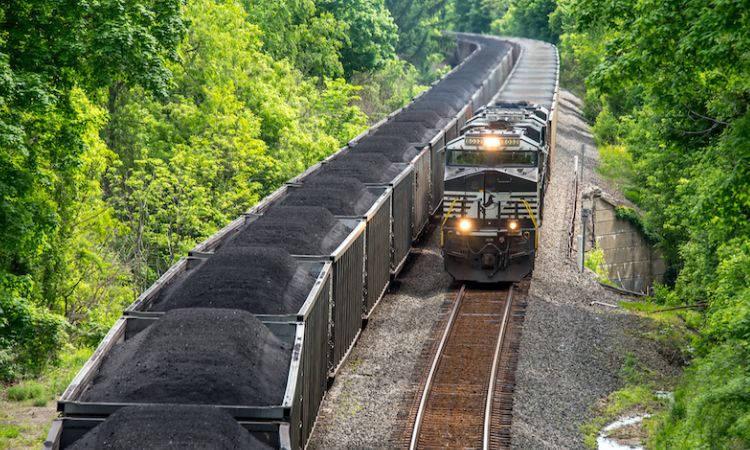
A coal train car is a specialized railcar designed specifically for transporting coal, one of the densest and heaviest materials in the bulk commodity category. Coal cars are engineered for durability and capacity, capable of handling large quantities of coal while maintaining the structural integrity required to withstand the harsh environment of rail transport. These cars are essential in moving coal from mining sites to power plants, steel mills, or export terminals, playing a pivotal role in the global energy production and industrial supply chain.
Coal train cars come in various designs, with the most common being open-top hopper cars and gondola cars. Each of these designs is optimized to carry coal efficiently and safely, with particular attention to weight management, ease of loading and unloading, and minimizing wear and tear on both the train and the tracks.
- Open-Top Hopper Cars: These are the most common coal transport cars. They feature sloped bottoms and open tops, allowing for the quick and efficient unloading of coal by gravity. The coal is typically discharged through bottom gates that can open mechanically or pneumatically.
- Gondola Cars: Gondola cars have a flat bottom and open sides. They are generally used for transporting large quantities of coal over long distances. These cars often require rotary dumpers to unload coal, a system that rotates the car to empty its contents.
Understanding the weight of these cars is crucial for managing logistical processes such as rail capacity planning, fuel consumption calculations, and ensuring that the cars are not overloaded, which could lead to safety hazards or infrastructure damage.
Types of Coal Train Cars
1. Open-Top Hopper Cars
Purpose: Open-top hopper cars are designed for bulk transport, particularly for materials like coal. Their sloped bottoms and bottom-opening gates make unloading quick and efficient.
Weight:
- Empty: 40,000 to 60,000 pounds (18,144 to 27,216 kg).
- Loaded: 240,000 to 260,000 pounds (108,862 to 117,934 kg).
Features: These cars are equipped with sloped sides and a bottom that opens to release coal quickly by gravity. The robust design allows these cars to handle the abrasive nature of coal without damage.
Usage: Open-top hopper cars are often used in unit trains to transport coal from mines to power plants or export terminals. They are well-suited for bulk shipments and can be unloaded quickly at destination points, making them efficient for high-volume transport.
2. Gondola Cars
Purpose: Gondola cars are designed for transporting bulk materials such as coal over longer distances. Unlike hopper cars, gondola cars have low sides and a flat bottom for easier loading and unloading.
Weight:
- Empty: 50,000 to 65,000 pounds (22,680 to 29,484 kg).
- Loaded: 290,000 to 315,000 pounds (131,542 to 142,877 kg).
Features: Gondola cars are open at the top, providing ample space for loading and unloading coal. Their low sides make them ideal for large-scale coal transportation, and they typically require rotary dumpers to unload at their destinations.
Usage: Gondola cars are used for longer distance transportation and are suited for large quantities of coal. Their design is well-suited for industrial use, where bulk coal needs to be moved over vast distances without the need for rapid unloading.
How Much Does A Coal Train Car Weigh?
The weight of a coal train car depends heavily on its type, capacity, and the materials used in its construction. Understanding both the empty weight (tare weight) and the loaded weight is essential for various operational considerations.
- Empty Coal Train Car Weight: Typically, coal cars weigh between 40,000 to 65,000 pounds (18,144 to 29,484 kg) when empty, depending on their design and the materials used.
- Loaded Coal Train Car Weight: When fully loaded with coal, these cars can weigh anywhere from 240,000 to 315,000 pounds (108,862 to 142,877 kg), depending on the car’s capacity and how much coal it is carrying.
The weight of the coal itself is influenced by the type of coal (e.g., anthracite, bituminous) and the moisture content, which can fluctuate depending on weather and storage conditions.
Comparison Table: Coal Train Car Weights
Below is a detailed comparison table showcasing the weight of different types of coal train cars, their costs, and other relevant characteristics:
| Coal Train Car Type | Empty Weight (lbs) | Empty Weight (kg) | Loaded Weight (lbs) | Loaded Weight (kg) | Capacity (tons) | Price (USD) | Material | Typical Use |
|---|---|---|---|---|---|---|---|---|
| Open-Top Hopper | 40,000 – 60,000 | 18,144 – 27,216 | 240,000 – 260,000 | 108,862 – 117,934 | 100 – 110 | $100,000 – $150,000 | Steel/Aluminum | Bulk coal transport |
| Gondola Car | 50,000 – 65,000 | 22,680 – 29,484 | 290,000 – 315,000 | 131,542 – 142,877 | 110 – 116 | $120,000 – $180,000 | Steel/Aluminum | Long-distance coal haul |
| Heavy-Duty Gondola | 65,000 – 70,000 | 29,484 – 31,751 | 315,000 – 350,000 | 142,877 – 158,757 | 120 – 130 | $180,000 – $250,000 | Steel/Aluminum | High-capacity transport |
| High-Capacity Hopper | 50,000 – 60,000 | 22,680 – 27,216 | 270,000 – 300,000 | 122,470 – 136,078 | 100 – 120 | $110,000 – $160,000 | Steel/Aluminum | Power plant shipments |
Basics of Coal Train Car Weight
To effectively manage and understand the weight of coal train cars, it’s essential to grasp several key concepts that define how much weight a car can carry, how to maintain efficiency, and ensure safety throughout the transport process. The weight of a coal train car isn’t just about its own mass; it involves how that weight is distributed, its interaction with infrastructure, and the limits set to avoid damaging both the car and the tracks. Let’s dive deeper into some important concepts related to coal train car weight.
1. Tare Weight
Tare weight is one of the most important aspects when considering the weight of a coal train car. It refers to the weight of the car when it is empty—without any coal or other materials inside. The tare weight is fundamental in determining how much coal the car can safely carry. Since railcars often operate under strict weight restrictions, knowing the tare weight helps ensure compliance with safety regulations and prevents overloading.
By knowing the tare weight, operators and engineers can calculate the payload capacity (the amount of coal the car can carry) by subtracting the tare weight from the gross weight (the total weight of the car when loaded with coal). Tare weight is also crucial for ensuring that the coal car does not exceed weight limits for tracks, bridges, and other infrastructure components. These limits are set by regulatory bodies and railway companies to prevent excessive strain on the transportation network.
2. Gross Weight
Gross weight refers to the total weight of the coal train car when it is fully loaded with coal. This includes both the tare weight and the weight of the coal being transported. The gross weight is critical for calculating the total load that a train and its infrastructure (such as tracks, bridges, and tunnels) will bear. It’s essential for monitoring whether the car, train, or entire shipment is within the legal weight limits.
For example, if a coal car has a tare weight of 50,000 pounds (22,680 kg) and is loaded with 240,000 pounds (108,862 kg) of coal, its gross weight would be 290,000 pounds (131,542 kg). This gross weight is what the locomotive pulling the train must handle and what the railway system must support in terms of infrastructure and track strength.
Managing gross weight ensures that railcars do not exceed the load capacities of the rails they travel on, minimizing the risk of infrastructure damage, derailments, or safety incidents.
3. Payload Capacity
The payload capacity is the maximum amount of coal that a coal train car can carry. It is calculated by subtracting the tare weight from the gross weight. This figure is significant because it directly affects the efficiency of coal transport. The higher the payload capacity, the more coal can be transported per trip, reducing the number of train trips needed to move the same amount of coal.
The payload capacity is vital for determining the economic viability of coal transportation. It ensures that the train is carrying the optimal amount of coal for its size and design, thereby maximizing the return on investment and minimizing fuel consumption. For example, a standard coal hopper car may have a payload capacity of around 100 tons (90,718 kg), and optimizing this load can help reduce operational costs for the railroad operator.
4. Axle Load
Axle load refers to the amount of weight distributed across each axle of the coal car. This factor is crucial for the longevity and integrity of the track infrastructure. If the axle load is too high, it can lead to rapid wear and tear of the rail tracks, leading to more frequent maintenance and repairs.
To prevent excessive axle load, rail operators monitor the total weight distribution across the car, ensuring that no single axle is overloaded. High axle loads can also cause track deformation and uneven wear, which can increase the risk of accidents or derailments. Properly distributing weight across the axles ensures smoother operations, reduces the stress on rail infrastructure, and prevents unnecessary damage to both the tracks and the train itself.
5. Tractive Effort
Tractive effort is the pulling power required by the locomotive to move the coal train. The heavier the coal car, the more tractive effort is required, especially when the car is fully loaded. This pulling power is generated by the locomotive’s engine and is critical for ensuring the train can move efficiently, even with heavy loads.
Tractive effort is a vital consideration in locomotive design. Powerful locomotives are needed to pull heavy coal cars, and when multiple coal cars are involved, the overall weight can place significant strain on the engine. This results in increased fuel consumption and more wear and tear on the locomotive’s engine. Thus, optimizing coal car weight, and by extension the tractive effort required, is key to improving fuel efficiency and reducing operational costs.
Factors Influencing Coal Train Car Weight
The weight of a coal train car is a key aspect of its functionality, impacting everything from fuel efficiency to safety and track wear. Various factors contribute to the overall mass of a coal train car, including the materials used in its construction, the design specifications, weight distribution, and technological innovations. Each factor plays a vital role in determining how much weight the car can carry, how efficiently it performs, and how safe it is to operate within the broader railway network. Let’s delve deeper into these key factors.
1. Construction Material
The materials used in the construction of coal train cars directly impact their weight, durability, and overall performance. Traditionally, steel is the material of choice for manufacturing coal cars due to its strength and ability to withstand the heavy load and abrasive nature of coal. Steel ensures the car’s longevity and capacity to endure harsh conditions during transportation, including the constant vibration and wear from hauling coal over long distances.
However, aluminum has emerged as a lighter alternative in recent years. Aluminum is less dense than steel, which means that cars made from aluminum are lighter. This can provide a significant advantage by increasing the payload capacity, allowing more coal to be transported without exceeding weight restrictions on tracks. Aluminum cars are also less prone to corrosion, which can enhance their durability over time. Despite these benefits, aluminum is more expensive than steel, which is why it’s typically used in specific situations where weight reduction is paramount, or the car’s operational requirements justify the higher cost.
Newer coal train cars might combine composite materials with steel and aluminum to further reduce weight while maintaining strength. This combination allows for a better balance between durability and weight, helping optimize the coal transport process without sacrificing structural integrity.
2. Design and Features
The design of a coal train car is another critical factor influencing its weight. Hopper cars, which are the most common type of coal car, often feature sloped sides and a bottom that can open to discharge coal quickly. These sloped sides add weight to the structure because they require more steel and reinforced components to maintain structural integrity. Additionally, the bottom gates used to release coal add to the complexity and weight of the car. The loading and unloading mechanisms often found in hopper cars contribute to their added mass as well, since they include features that assist in discharging coal smoothly.
On the other hand, gondola cars, which are flat-bottomed and open at the top, are generally lighter than hopper cars. They are designed for bulk material transport, like coal, and typically have lower sides for easier loading and unloading. However, gondola cars may be reinforced with additional structural components, especially those built to handle heavier payloads. These reinforcements can make them heavier than standard models but are necessary to ensure that the car can handle large, heavy loads over long distances.
The reinforcement of frames and the overall build of the car are designed to increase payload capacity. Heavier cars are typically built for transporting larger amounts of coal, which necessitates stronger components to support the additional weight. This is why heavy-duty gondola cars, used for high-capacity operations, are often built with reinforced frames, which, in turn, contribute to their higher weight.
3. Weight Distribution
Proper weight distribution within the coal car is paramount for safe and efficient transport. A well-designed coal car ensures that the weight of the coal is evenly distributed across the entire structure. This prevents undue stress on any part of the car, particularly the axles, wheels, and track. When coal is improperly distributed within the car, it can cause the car to become unbalanced, leading to instability during transport. This can increase the risk of derailment, track damage, and potential safety hazards.
Weight distribution also impacts track wear. When a coal car’s weight is unevenly distributed, it can create pressure points along the track, leading to faster degradation of rail infrastructure. Proper weight distribution minimizes these risks and ensures that coal cars are operating at their maximum efficiency without unnecessarily stressing the track.
Car manufacturers take these factors into account when designing coal cars. Many modern coal cars are equipped with automated systems or sensors that help maintain even weight distribution during loading, which can help optimize the car’s performance and reduce wear on both the car and the track.
4. Technological Additions
The addition of modern technology to coal train cars has become increasingly common in recent years. Features such as automatic unloading mechanisms, advanced weight monitoring systems, and safety sensors can add to the overall weight of the car. For instance, automatic unloading systems involve mechanisms that can quickly release the coal at a terminal, but these systems require added components such as hydraulics, motors, and sensors, which contribute to the weight.
Sensors and tracking technology installed on coal cars allow for real-time monitoring of weight, distribution, and car condition. These technologies help prevent overloading and improve the efficiency of the loading and unloading processes. However, the additional technology embedded in the cars can increase their overall mass. For example, integrated GPS tracking systems that monitor the location and status of the train add weight, but they also provide immense benefits in terms of operational efficiency and security.
Modern safety systems, including braking technology, are also often found on coal train cars. These technologies enhance safety but can also add weight due to the components involved. For example, regenerative braking systems, which help save energy during braking, add complexity and mass to the train car.
5. Car Capacity and Weight Limits
The payload capacity of a coal train car determines how much coal it can safely transport, which directly impacts the car’s weight. Most coal train cars are designed with specific weight limits that must not be exceeded to avoid overloading. These limits are set by regulatory bodies and railway companies to ensure the safety and integrity of the car and tracks.
Overloading a coal car can lead to a variety of issues, including damage to the car, excessive track wear, and increased fuel consumption by the locomotive pulling the train. To prevent overloading, coal train cars are built with specific structural designs to handle the weight they are designed to carry. Additionally, weight restrictions are often enforced at train terminals and weigh stations to ensure that each car is compliant with the legal weight limits.
How Much Does A Coal Train Car Cost?
The cost of a coal train car can vary depending on several factors, including the car’s size, capacity, and the materials used in its construction. Below are the general price ranges for different types of coal cars:
- Open-Top Hopper Cars: These cars typically cost between $100,000 to $150,000, depending on the design and material choices.
- Gondola Cars: Generally priced between $120,000 and $180,000, these cars are slightly more expensive due to their robust design and higher capacity.
- Heavy-Duty Gondola and Hopper Cars: High-capacity cars used for larger shipments or more demanding operations can range between $180,000 and $250,000.
- High-Capacity Hopper Cars: Newer, high-capacity cars typically cost between $110,000 and $160,000 depending on features and customization.
How Much Does It Cost To Rent A Coal Train Car?
Renting a coal train car is a viable option for companies needing short-term transportation solutions. Here’s what you can expect in terms of rental costs:
- Short-Term Rental: For special events or temporary needs, renting a coal car can cost between $1,000 and $2,000 per day.
- Long-Term Lease: Renting a coal train car long-term can range from $10,000 to $20,000 per month, depending on the car’s specifications and the terms of the lease.
How Much Does A Coal Train Car Wheel Weigh?
Each wheelset on a coal train car weighs between 2,000 to 4,000 pounds (907 to 1,814 kg). This means the total weight of the wheels on a coal train car can range from 4,000 to 8,000 pounds (1,814 to 3,629 kg), depending on the number of axles and the weight capacity of the car.
How Much Does A Coal Train Car Wheel Cost?
Replacing or maintaining coal train car wheels can be expensive, with costs typically ranging from:
- Standard Wheels: $2,000 to $5,000 per wheel.
- Specialized Wheels: For high-performance or heavy-duty applications, the cost can range from $8,000 to $10,000 per wheel.
How Much Fuel Does A Coal Train Car Use?
While coal train cars themselves do not consume fuel, the locomotives pulling the cars do. A typical diesel locomotive pulling a coal train consumes between 2.5 and 3 gallons per mile (9.5 to 11.4 liters per kilometer) depending on load and terrain. Electric locomotives use electricity, and their consumption is measured in kilowatt-hours (kWh).
How Fast Can A Coal Train Car Go?
Coal trains typically travel at speeds between 30 to 50 mph (48 to 80 km/h). Under optimal conditions, they can reach speeds up to 60 mph (97 km/h), though this depends on track conditions, the locomotive, and the total weight of the train.
How Tall Is A Coal Train Car?
Coal train cars typically have a height between 15 to 20 feet (4.6 to 6.1 meters), depending on the type of car and its design specifications.
How Wide Is A Coal Train Car?
Coal cars are generally about 10 feet (3 meters) wide, with slight variations depending on the specific design and the type of coal being transported.
Dimensions of a Coal Train Car
Here’s an overview of typical dimensions for a coal train car:
- Length: Typically ranges from 50 to 66 feet (15.2 to 20.1 meters).
- Width: Typically 10 feet (3 meters).
- Height: Typically 12 to 20 feet (3.7 to 6.1 meters).
Conclusion
The weight of a coal train car is a critical factor in its design, efficiency, and performance in transporting coal. By understanding the different types of coal cars, their capacities, and the factors influencing their weight, it becomes clear how important these vehicles are for the energy production industry. The ability to safely and efficiently transport large quantities of coal impacts everything from fuel costs to track maintenance.
Fun Facts
- The Union Pacific Big Boy, one of the largest steam locomotives ever built, weighs over 1,189,500 pounds (540,000 kg).
- Modern gondola cars can carry up to 116 tons (105,218 kg) of coal.
- Open-top hoppers are capable of carrying 100 tons (90,718 kg) of coal.