
Drywall is a fundamental material in the construction industry, used extensively in both residential and commercial building projects. Whether you are constructing new walls, creating partitions, or finishing ceilings, drywall is a versatile and reliable material that provides a smooth, durable surface. Among the different sizes of drywall, the 4×8 sheet is the most common, primarily used for standard walls and ceilings.
However, one question often arises — how much does a 4×8 sheet of drywall weigh? The weight of a 4×8 sheet of drywall is influenced by factors like thickness, material type, and intended application. Understanding these weights is crucial for safe handling, transport, and installation.
In this comprehensive guide, we will explore the different types of 4×8 drywall, their weight specifications in both pounds and kilograms, and other considerations such as how to safely handle and transport these sheets. Whether you’re a DIY enthusiast, contractor, or part of a commercial team, this information will help you make informed decisions when working with drywall.
What Is a 4×8 Sheet of Drywall and Its Types?
A 4×8 sheet of drywall refers to a standard panel size of drywall, measuring 4 feet by 8 feet (1.22 meters by 2.44 meters). This size is the most widely used in construction for creating interior walls and ceilings, as it is both cost-effective and easy to handle for most standard applications.
The core of drywall consists of gypsum, a naturally occurring mineral that provides both rigidity and fire resistance. This gypsum core is sandwiched between two layers of paper, which helps with surface durability and bonding during installation. Drywall panels are available in different types, each serving specific purposes based on their composition, weight, and structural requirements.
Here are the common types of drywall you will encounter:
- Standard Drywall (Regular): The most common type of drywall, typically used for interior walls and ceilings in residential and commercial settings. It has a basic gypsum core with paper facings and is designed for general-purpose applications.
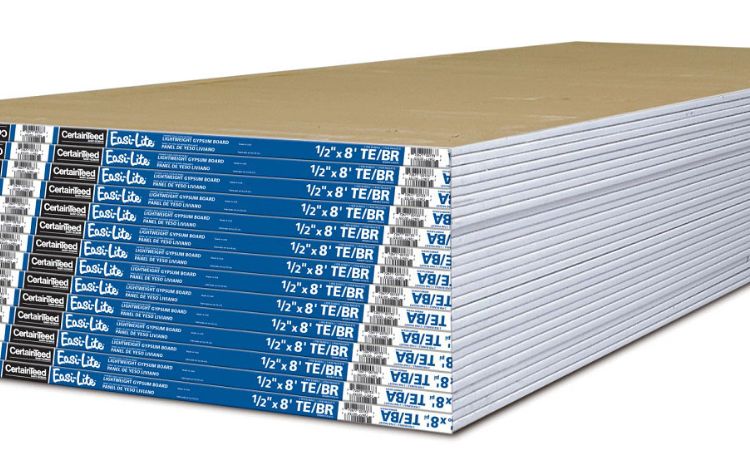
- Lightweight Drywall: As the name suggests, this drywall has a reduced-density gypsum core, making it lighter than standard drywall. It is ideal for projects that require large quantities of drywall sheets, as it reduces the physical strain of handling and transport.
- Moisture-Resistant Drywall (Green Board): This drywall is treated with moisture-resistant additives, making it ideal for areas that are exposed to higher humidity, such as bathrooms, kitchens, and basements.
- Fire-Resistant Drywall (Type X): This type of drywall is specifically designed to resist fire and is typically required in areas where building codes demand fire-resistant materials. It contains additional materials such as fiberglass and is denser than regular drywall.
- Soundproof Drywall: Soundproof drywall is a specialized product designed to reduce sound transmission between rooms. It is often used in apartments, offices, or areas where noise control is important.
- Impact-Resistant Drywall: Designed for high-traffic areas or spaces that are likely to suffer damage, this drywall is much stronger and denser than regular drywall, making it more resistant to impacts.
Each type of drywall has specific applications, and its weight can vary significantly based on its thickness, additives, and intended use.
How Much Does a 4×8 Sheet of Drywall Weigh?
The weight of a 4×8 sheet of drywall varies depending on the type of drywall, its thickness, and the material composition. Below is a detailed breakdown of the typical weight of different types of drywall sheets:
- Standard Drywall (½-inch thickness): The most common type of drywall used for walls and ceilings, ½-inch thick 4×8 sheets of standard drywall weigh around 51.2 pounds (23.2 kg). This weight is typical for most home and office installations, providing an ideal balance of strength and weight.
- Thin Drywall (¼-inch thickness): Thinner sheets of drywall are often used for specific applications, such as overlays or areas with minimal structural load. A ¼-inch thick 4×8 sheet weighs approximately 38.4 pounds (17.4 kg). This lightweight version is often used for non-load-bearing walls or curved surfaces.
- Thick Fire-Resistant Drywall (5/8-inch Type X): Fire-resistant drywall is denser due to its fiberglass and mineral additives. A 5/8-inch thick 4×8 sheet of fire-resistant drywall typically weighs 70.4 pounds (31.9 kg). This type is commonly used in areas requiring higher fire ratings, such as in commercial buildings or ceilings.
- Lightweight Drywall (½-inch thickness): Lightweight drywall is designed for ease of handling and installation. A ½-inch thick sheet of lightweight drywall weighs around 40 pounds (18.1 kg), which is about 20% lighter than the standard version.
- Moisture-Resistant Drywall (½-inch thickness): Moisture-resistant drywall is used in areas prone to humidity, such as bathrooms and kitchens. A ½-inch thick 4×8 sheet of moisture-resistant drywall typically weighs about 48 pounds (21.8 kg), making it slightly heavier than standard drywall due to the moisture-resistant additives.
- Soundproof Drywall (1-inch thickness): Soundproof drywall is the heaviest type of drywall due to its density. A 1-inch thick 4×8 sheet of soundproof drywall weighs approximately 80 pounds (36.3 kg). This type of drywall is used in environments that require significant sound insulation, such as recording studios, apartments, or offices with noise-sensitive areas.
Comparison Table in Detail
The following table compares the different types of 4×8 drywall sheets based on their thickness, weight, and features:
| Type of Drywall | Thickness | Weight per Sheet (pounds) | Weight per Sheet (kg) | Key Features | Applications | Typical Cost |
|---|---|---|---|---|---|---|
| Standard Drywall | ½ inch | 51.2 pounds | 23.2 kg | General-purpose use; easy to handle | Homes, offices, general interior walls | $8 – $12 per sheet |
| Thin Drywall (¼ inch) | ¼ inch | 38.4 pounds | 17.4 kg | Lightweight, light-duty use | Non-load-bearing walls, curved surfaces | $6 – $9 per sheet |
| Fire-Resistant Drywall (Type X) | 5/8 inch | 70.4 pounds | 31.9 kg | Fire-resistant, high-density, adds strength | Commercial buildings, fire-rated zones | $12 – $18 per sheet |
| Lightweight Drywall | ½ inch | 40 pounds | 18.1 kg | Easier handling, ideal for DIY and residential projects | DIY projects, residential use | $10 – $15 per sheet |
| Moisture-Resistant Drywall | ½ inch | 48 pounds | 21.8 kg | Moisture-resistant, ideal for wet areas | Bathrooms, kitchens, basements | $9 – $14 per sheet |
| Soundproof Drywall | 1 inch | 80 pounds | 36.3 kg | Heavy, soundproof, high-density | Apartments, recording studios, offices | $20 – $30 per sheet |
Factors Impacting the Weight of a 4×8 Sheet of Drywall
Several factors can significantly influence the weight of a 4×8 sheet of drywall. Understanding these factors is important when selecting the right drywall for a particular application:
- Thickness of the Drywall: As expected, thicker drywall sheets are heavier. For example, 5/8-inch or 1-inch thick drywall will weigh more than ¼-inch or ½-inch thick sheets. This is due to the increased amount of material used in thicker panels.
- Type of Drywall: Specialty drywall types such as fire-resistant, soundproof, and moisture-resistant drywall tend to be heavier because of the additional materials and additives. For instance, fire-resistant drywall contains fiberglass and other minerals that increase its weight, while soundproof drywall uses denser materials like gypsum and added soundproofing compounds.
- Core Composition: The density of the gypsum core can greatly affect the weight. Standard drywall has a relatively light gypsum core, while specialty drywall, like fire-resistant and soundproof varieties, have denser cores that increase the overall weight of the sheet.
- Facing Material: Drywall is faced with paper or fiberglass, and the type and thickness of the facing can impact the overall weight. Heavy-duty, multi-layered facings add additional weight, especially in fire-resistant and soundproof drywall varieties.
- Moisture Content: Drywall is susceptible to moisture absorption, which can cause it to become heavier. This is particularly true for drywall stored in humid conditions. To avoid this, drywall should be stored in a dry environment to prevent moisture absorption that can increase the weight.
- Brand and Manufacturer: Different manufacturers may use slightly different formulas for making drywall. These variations can result in slight weight differences for similar types and thicknesses of drywall, even if the overall specifications appear the same.
Why Does the Weight of a 4×8 Sheet of Drywall Matter?
Understanding the weight of a 4×8 sheet of drywall is important for several reasons:
- Handling and Installation: Heavier drywall sheets require more effort to handle and install. If you’re working with thicker or specialty drywall, it may require more manpower or mechanical assistance, especially when installing drywall on ceilings.
- Transport and Logistics: The weight of drywall directly impacts its transport and shipping costs. Lighter drywall panels reduce transportation costs, while heavier sheets can increase both shipping fees and the difficulty of unloading and moving the material on-site.
- Structural Considerations: Heavier drywall sheets add more weight to walls and ceilings, which can impact the load-bearing capacity of structures. While this is not a concern in most residential buildings, it should be considered in commercial applications or buildings with additional load-bearing concerns.
- Labor and Time Implications: Heavier sheets typically require longer installation times due to their increased weight. This can lead to higher labor costs, especially for ceiling installations. Lightweight drywall reduces strain on workers and can make the installation process faster and more efficient.
- Safety: The weight of drywall is a safety consideration. If handled improperly, heavy sheets can cause back injuries or even result in accidents. It’s important to use appropriate lifting techniques or equipment to move drywall safely.
What to Consider While Choosing a 4×8 Sheet of Drywall?
Choosing the right 4×8 sheet of drywall involves considering a few key factors based on the specific needs of your project:
- Application Type: If your project is in a high-humidity area like a bathroom, choose moisture-resistant drywall. For areas that require fire safety, such as kitchens or commercial buildings, fire-resistant drywall is a better choice.
- Weight and Handling: If you are working alone or have limited manpower, lightweight drywall will make the installation process easier and safer. Heavier drywall sheets may require additional tools such as drywall lifts or more workers to handle them effectively.
- Thickness Requirements: The thickness of the drywall should be selected based on its intended use. ½-inch drywall is generally suitable for most walls, while thicker 5/8-inch drywall should be used for ceilings or fire-resistant applications.
- Durability: If the drywall will be subject to high levels of wear and tear, consider impact-resistant drywall. This type is ideal for high-traffic areas like hallways or classrooms where the walls are more likely to get damaged.
- Cost-Performance Balance: Lightweight drywall may be cheaper but might not provide the same durability or performance as heavier varieties. Consider both the cost of the material and the long-term benefits in terms of durability, fire resistance, and soundproofing.
How to Handle and Transport Drywall Safely
Handling drywall sheets safely is critical to ensure that the material does not get damaged and that you avoid injury:
- Lifting Techniques: Always bend your knees and lift with your legs, not your back, when handling drywall. If the sheet is heavy, use a drywall lift or have a helper assist you in lifting the sheet into position.
- Transporting Drywall: When transporting drywall, ensure it is stacked flat and securely tied down to avoid shifting during transport. Use a truck or trailer with a sturdy bed capable of supporting the weight of multiple sheets of drywall.
- Protection: Be mindful of the edges, as drywall sheets are susceptible to damage. Use corner protectors to shield the edges and avoid dragging the sheets across rough surfaces.
- Drywall Lifts: For ceiling installations or high walls, use a drywall lift to reduce the risk of injury and improve efficiency during installation.
- Storage: Store drywall in a dry environment to prevent it from absorbing moisture. Keep it off the ground and avoid exposing it to outdoor elements.
Conclusion
The weight of a 4×8 sheet of drywall is an essential consideration in construction and renovation projects. With weights ranging from 38.4 pounds (17.4 kg) for thinner sheets to 80 pounds (36.3 kg) for specialty soundproof versions, understanding the weight of drywall can significantly impact your handling, transportation, and installation plans. Whether you’re a professional contractor or a DIY enthusiast, knowing the right type and weight of drywall for your project is crucial for efficiency, safety, and overall project success.
Fun Facts
- A standard ½-inch drywall sheet weighs 51.2 pounds (23.2 kg) — roughly equivalent to the weight of a large adult dog.
- Lightweight drywall can reduce installation labor time by up to 30% due to its ease of handling.
- Fire-resistant drywall can weigh up to 70.4 pounds (31.9 kg), nearly 40% heavier than standard drywall.
- Soundproof drywall is among the heaviest, weighing around 80 pounds (36.3 kg) per sheet.
- Storing drywall properly is essential — moisture can cause sheets to absorb water, making them significantly heavier.