
When embarking on a drywall project, one of the most frequently asked questions is, “How much does a ½ sheet of drywall weigh?” Whether you’re working on a DIY project, managing a construction job, or just curious, understanding the weight of drywall is crucial for planning, handling, and installation. Drywall comes in a range of sizes, thicknesses, and material types, and while a ½ sheet might seem smaller and more manageable than a full sheet, it still plays a significant role in both the efficiency of your project and your overall labor costs.
In this comprehensive guide, we’ll delve into everything you need to know about the weight of a ½ sheet of drywall. We’ll break down the various types of drywall available, how much each type weighs, the factors that influence weight, and why understanding these weights is important for any project. We will also provide insights into the cost of ½ sheets of drywall, factors to consider when choosing the right type for your specific needs, and tips for safely handling and transporting drywall. Whether you’re a homeowner, a contractor, or a DIY enthusiast, this guide will ensure you’re equipped with all the knowledge you need.
What Is a ½ Sheet of Drywall and Its Types?
A ½ sheet of drywall refers to a panel that is half the size of a standard full 4×8 sheet of drywall, which measures 4 feet by 8 feet (1.22 meters by 2.44 meters). This type of drywall is typically found in smaller dimensions to suit specific needs such as repairs, small spaces, ceilings, or areas where minimizing waste is necessary. The most common dimensions of a ½ sheet of drywall are:
- 4 feet by 4 feet (4′×4′): This is a square sheet that is often used for smaller areas or repairs where a full sheet would be too large.
- 2 feet by 8 feet (2′×8′): This version is also commonly used and provides a manageable size for ceiling installations or long wall sections that don’t require a full sheet.
These smaller sheets are particularly useful in a variety of applications where space constraints or weight considerations make a full 4×8 sheet impractical.
In terms of drywall types, a ½ sheet can be found in several variations, each designed for specific purposes. The most common types of drywall available in a ½ sheet format include:
- Standard Drywall (Regular): The most basic and common type of drywall used for general wall and ceiling applications. It consists of a gypsum core covered by paper facings.
- Lightweight Drywall: This drywall uses a lower-density gypsum core, making it lighter and easier to handle. It is typically used in situations where reduced weight is important, such as for DIY projects or ceiling installations.
- Moisture-Resistant Drywall (Green Board): This drywall is treated with special additives to make it resistant to moisture, making it ideal for use in bathrooms, kitchens, or basements where humidity levels are high.
- Fire-Resistant Drywall (Type X): A heavier, denser drywall designed to resist fire. It is used in areas where fire resistance is required by building codes, such as in commercial buildings or multi-family housing.
- Soundproof Drywall: Soundproof drywall is designed with added materials to reduce sound transmission. It is especially useful in apartments, recording studios, and other noise-sensitive environments.
- Impact-Resistant Drywall: Heavier and stronger than regular drywall, this type is used in high-traffic areas where the walls are more likely to sustain damage.
Each of these types has different properties that affect their weight, so understanding these variations is essential for selecting the right material for your project.
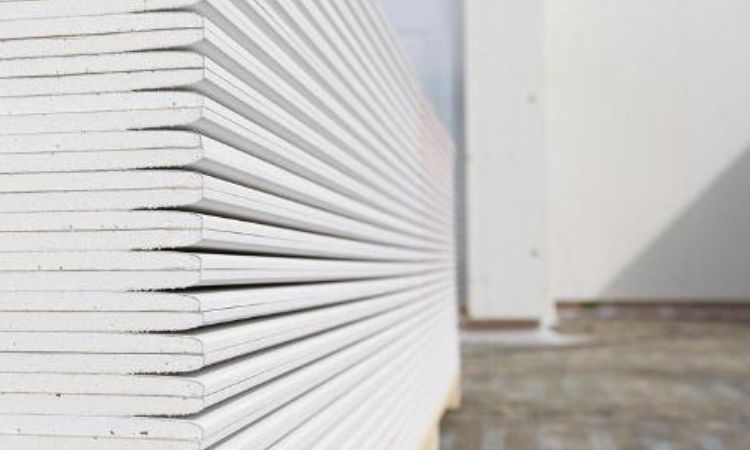
How Much Does a ½ Sheet of Drywall Weigh?
The weight of a ½ sheet of drywall varies significantly based on its thickness and type. Below is an estimate of the weight of a ½ sheet (typically 4′×4′) of various drywall types, given in both pounds and kilograms:
- Standard ½-inch Drywall:
- Weight: Approximately 25 pounds (11.3 kg) per 4′×4′ panel.
- Standard drywall is the most common type used in most residential and commercial applications. It offers a balance of strength, durability, and ease of installation. It’s ideal for most wall and ceiling installations in dry, interior environments.
- Lightweight ½-inch Drywall:
- Weight: Approximately 20 pounds (9.1 kg) per 4′×4′ panel.
- Lightweight drywall uses a less dense gypsum core, making it approximately 20% lighter than standard drywall. This type is easier to handle, making it an excellent option for DIY projects or ceiling installations where reducing weight is essential.
- Moisture-Resistant ½-inch Drywall (Green Board):
- Weight: Approximately 24 pounds (10.9 kg) per 4′×4′ panel.
- Moisture-resistant drywall is designed with additives to help prevent mold and mildew growth in humid environments. It’s heavier than standard drywall due to the moisture-resistant treatment, making it an ideal choice for areas like bathrooms and kitchens.
- Fire-Resistant ½-inch Drywall (Type X):
- Weight: Approximately 35 pounds (15.9 kg) per 4′×4′ panel.
- Fire-resistant drywall is much denser due to the inclusion of fiberglass and other additives that enhance its fire-resistance properties. It is used in areas where building codes require fire-resistant materials, such as in commercial buildings, stairwells, and multi-family housing.
- Soundproof ½-inch Drywall:
- Weight: Approximately 40 pounds (18.1 kg) per 4′×4′ panel.
- Soundproof drywall is designed to reduce sound transmission between rooms by using a denser core and added materials. It is commonly used in sound-sensitive environments, such as recording studios or apartments, where noise reduction is a priority.
As you can see, drywall weights vary widely depending on the type. While standard drywall is relatively lightweight, specialty drywall types like fire-resistant and soundproof drywall are significantly heavier due to the added materials and increased density.
Comparison Table in Detail
Here’s a more detailed comparison of the weight, features, and typical applications of the most common types of ½ sheets of drywall:
| Type of Drywall | Dimension | Thickness | Weight per Sheet (pounds) | Weight per Sheet (kg) | Key Features | Typical Applications | Typical Cost | Durability | Ease of Handling |
|---|---|---|---|---|---|---|---|---|---|
| Standard Drywall | 4′×4′ | ½ inch | 25 pounds | 11.3 kg | Basic, cost-effective, easy to install | Homes, offices, walls, ceilings | $5 – $8 per sheet | Good (Standard) | Moderate |
| Lightweight Drywall | 4′×4′ | ½ inch | 20 pounds | 9.1 kg | Lighter core for easier handling, ideal for DIY | Ceilings, DIY projects, small rooms | $6 – $10 per sheet | Moderate | High |
| Moisture-Resistant Drywall | 4′×4′ | ½ inch | 24 pounds | 10.9 kg | Moisture-resistant core, ideal for humid areas | Bathrooms, kitchens, basements | $7 – $11 per sheet | High (Moisture Resistance) | Moderate |
| Fire-Resistant Drywall (Type X) | 4′×4′ | 5/8 inch | 35 pounds | 15.9 kg | Fiberglass additives for fire resistance | Fire-rated walls, commercial areas | $10 – $15 per sheet | Very High (Fire Resistance) | Low |
| Soundproof Drywall | 4′×4′ | ½ inch | 40 pounds | 18.1 kg | Dense core for reducing sound transmission | Apartments, recording studios | $12 – $18 per sheet | Very High (Soundproofing) | Low |
Factors Impacting the Weight of a ½ Sheet of Drywall
Several factors can influence the weight of a ½ sheet of drywall:
- Thickness: As expected, thicker drywall sheets are heavier. For example, 5/8-inch Type X drywall is heavier than ½-inch drywall due to the additional fiberglass and minerals used to enhance its fire-resistant properties.
- Type of Drywall: Specialty drywall, such as fire-resistant, moisture-resistant, and soundproof drywall, is denser and heavier than regular drywall. These types incorporate additional materials, like fiberglass and sound-damping compounds, to meet specific performance requirements.
- Core Composition: Drywall sheets are primarily made of gypsum. Lightweight drywall has a less dense core, making it lighter than standard drywall, which is denser. Fire-resistant and soundproof drywall have much denser cores to provide their enhanced properties.
- Facing Material: The type of paper or fiberglass facing used on drywall can influence its weight. Heavier facings, such as those used in fire-resistant drywall, increase the weight of the sheet.
- Moisture Content: Drywall can absorb moisture from the environment, making it heavier. It is important to store drywall in a dry environment to prevent it from absorbing water, which can increase its weight by as much as 10%.
Why Does the Weight of a ½ Sheet of Drywall Matter?
Understanding the weight of a ½ sheet of drywall is essential for several reasons:
- Handling and Installation: The weight of drywall affects how easy or difficult it is to handle during installation. Heavier sheets, such as fire-resistant or soundproof drywall, require more manpower or mechanical equipment like drywall lifts and panel hoists to move and position them safely.
- Transporting and Shipping: The weight of drywall directly impacts shipping costs. Lighter drywall sheets are cheaper to transport, while heavier sheets, such as soundproof or fire-resistant drywall, increase the overall shipping cost.
- Structural Impact: The weight of drywall contributes to the overall load placed on walls, ceilings, and framing. While this may not be a major concern in residential applications, it becomes more important in commercial projects, multi-story buildings, or areas with higher load-bearing requirements.
- Cost Considerations: Heavier drywall panels, especially those with specialized properties, can increase labor costs. They require more time to install, more equipment to handle, and often require additional workers to complete the job safely.
- Safety: Lifting heavy sheets of drywall improperly can lead to injuries, particularly in the back, shoulders, and arms. The weight of drywall is an important factor to consider when planning for safe lifting techniques and the use of mechanical aids.
What to Consider While Choosing a ½ Sheet of Drywall?
When selecting the right ½ sheet of drywall for your project, here are some key considerations:
- Application Type: Choose the type of drywall based on the environment. If you’re working in a moisture-prone area like a bathroom or kitchen, opt for moisture-resistant drywall. For fire safety in commercial buildings or multi-family housing, go with fire-resistant drywall. If noise reduction is crucial, soundproof drywall will be the best option.
- Weight and Handling: If you are working alone or don’t have access to heavy lifting equipment, choose lightweight drywall to reduce physical strain. For ceiling installations or large projects, consider the increased weight and make sure you have the right equipment, like drywall lifts or additional help.
- Thickness: Depending on your application, you may need a thicker sheet of drywall. For areas that require more fire resistance or soundproofing, choose a thicker drywall, like 5/8-inch or soundproof drywall.
- Cost: The price of drywall varies by type, thickness, and performance features. While standard drywall is more affordable, specialized options like fire-resistant or soundproof drywall come at a higher cost due to the additional materials and properties.
- Durability: If the drywall will be in a high-traffic area or subjected to heavy wear, consider impact-resistant drywall for its added strength. Similarly, moisture-resistant drywall will perform better in humid environments.
How to Handle and Transport Drywall Safely
Handling drywall sheets properly is essential to avoid injury and ensure the drywall remains undamaged. Here are some tips for safely handling and transporting drywall:
- Proper Lifting Techniques: Always bend your knees, not your back, when lifting drywall. Keep the drywall close to your body to reduce strain. If the sheet is particularly heavy, use a drywall lift or get help.
- Transporting Drywall: When transporting drywall, make sure the sheets are stacked flat to prevent warping. Use tie-downs or straps to secure the sheets in the truck to prevent them from shifting during transit.
- Protect the Edges: Drywall has sharp edges that can easily cause injury. Edge protectors can be used to prevent cuts, and always be mindful of the edges when handling or moving sheets.
- Using Equipment: For heavier drywall sheets, use tools like drywall lifts, panel jacks, or drywall carts to make lifting and moving easier. These tools reduce the risk of injury and ensure drywall is safely positioned.
Conclusion
The weight of a ½ sheet of drywall is an essential factor to consider in any drywall project. Understanding the weight of drywall sheets based on their type and thickness will help you choose the right material for your project and ensure you plan for safe handling, efficient installation, and accurate budgeting. From the common standard drywall to specialized options like soundproof and fire-resistant drywall, each type has its own weight and application considerations. By selecting the appropriate drywall and accounting for its weight, you can ensure a smoother, safer, and more cost-effective project.
Fun Facts
- A standard ½-inch drywall sheet weighs about 25 pounds (11.3 kg), which is about the weight of a medium-sized dog.
- Lightweight drywall can reduce installation labor by as much as 20% due to its ease of handling.
- Soundproof drywall can weigh up to 40 pounds (18.1 kg) per 4′×4′ sheet due to its dense construction.
- Moisture-resistant drywall can add up to 10% more weight if exposed to humidity during storage.
- Installing fire-resistant drywall on ceilings might require the use of a drywall lift due to its added weight and safety concerns.