
Fully loaded logging trucks play a vital role in the transportation of timber, which is one of the most important industries worldwide. These trucks are essential for efficiently moving logs from forest locations to sawmills or other processing facilities. Understanding the weight of these trucks, especially when they are fully loaded, is crucial for multiple reasons including road safety, fuel efficiency, operational effectiveness, and regulatory compliance.
This article will provide a comprehensive guide to the weight of fully loaded logging trucks, the various factors that affect their weight, different types of trucks used in the logging industry, and other key considerations such as fuel use, tire weight, costs, and dimensions. By the end, you will gain a complete understanding of how weight impacts the performance and legality of these vehicles.
What Is A Fully Loaded Logging Truck?
A fully loaded logging truck is a specialized vehicle designed to carry large loads of timber. These trucks consist of a tractor unit and one or more trailers, depending on the type. The logs being carried can significantly increase the truck’s weight, which is why knowing the weight of a fully loaded logging truck is critical for legal, safety, and operational reasons.
The structure of a fully loaded logging truck is designed to securely hold logs during transit. The truck features:
- Tractor Unit: This is the front of the truck that provides the engine power.
- Trailer(s): The trailers are attached to the tractor unit and carry the logs. They are specifically designed for securely holding large, heavy loads of timber.
- Logging Load: The weight of the logs can vary significantly depending on factors such as type, size, and moisture content.
- Safety Features: These include specialized braking systems, load restraints, and axle configurations to ensure that the truck can handle such large weights safely.
The total weight of a fully loaded logging truck can exceed 80,000 lbs (36,287 kg), and in some cases, even more depending on the configuration and the weight of the logs.
Types of Fully Loaded Logging Trucks
The type of logging truck used depends on various factors such as the terrain, load capacity, and the region’s weight limits. The most common types of logging trucks include:
1. Semi-Trailer Logging Trucks
- Description: These trucks have a detachable trailer and are the most common type of logging truck used for long-distance hauling.
- Weight: 35,000 to 80,000 lbs (15,876 to 36,287 kg) fully loaded.
- Advantages: The semi-trailer design is efficient for transporting large loads over long distances and is relatively easy to load and detach.
2. Straight or Rigid Trucks
- Description: A rigid truck has a fixed chassis and body, making it suitable for regions with stricter weight restrictions or where short hauls are required.
- Weight: 30,000 to 70,000 lbs (13,608 to 31,751 kg) when fully loaded.
- Advantages: These trucks are easier to maneuver in smaller spaces and are often used in forests or areas where access is limited.
3. Off-Road Logging Trucks
- Description: These trucks are designed for rugged terrains, particularly in areas where roads are not paved or maintained.
- Weight: 100,000+ lbs (45,359+ kg) when fully loaded, depending on the terrain and truck specifications.
- Advantages: Built for stability and durability in challenging environments, these trucks are ideal for operations in mountainous or heavily wooded areas.
4. Logging Road Trains
- Description: Road trains are large vehicles that use multiple trailers linked together, capable of carrying extremely heavy loads.
- Weight: Up to 120,000 lbs (54,431 kg) fully loaded.
- Advantages: These trucks are designed for large-scale commercial logging operations and can carry massive quantities of logs at once, significantly increasing transportation efficiency.
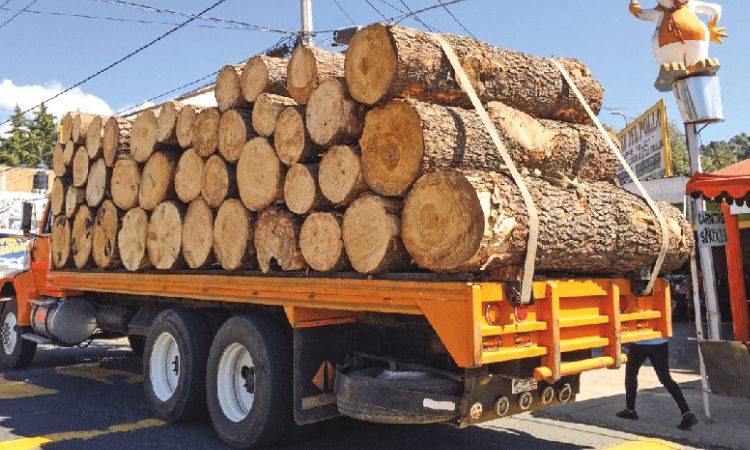
How Much Does A Fully Loaded Logging Truck Weigh?
The weight of a fully loaded logging truck varies greatly depending on its configuration, type, and the amount of timber being transported. The following weight estimates provide an overview of the different types of logging trucks and their weight ranges:
- Semi-Trailer Logging Trucks: When fully loaded with logs, these trucks typically weigh between 35,000 to 80,000 lbs (15,876 to 36,287 kg), depending on the number of logs and the type of timber.
- Straight or Rigid Trucks: These trucks are lighter than semi-trailers and usually weigh between 30,000 to 70,000 lbs (13,608 to 31,751 kg) when loaded with logs.
- Off-Road Logging Trucks: These trucks are significantly heavier, weighing up to 100,000 lbs (45,359 kg) or more, due to their robust construction and the extra weight of heavy-duty components.
- Logging Road Trains: These large configurations can weigh as much as 120,000 lbs (54,431 kg) or even more, depending on the number of trailers and the size of the logs.
The total weight of the truck includes both the truck’s curb weight (the truck’s own weight without any load) and the weight of the timber being carried. This combination can lead to significant weight totals, especially when road trains are used in large-scale logging operations.
Comparison Table: Fully Loaded Logging Truck Weight
| Truck Type | Weight (lbs) | Weight (kg) | Typical Load (lbs) | Typical Load (kg) | Price Range (USD) | Curb Weight (lbs) | Curb Weight (kg) |
|---|---|---|---|---|---|---|---|
| Semi-Trailer Logging | 35,000 – 80,000 | 15,876 – 36,287 | 20,000 – 50,000 | 9,072 – 22,680 | $100,000 – $150,000 | 15,000 – 30,000 | 6,804 – 13,608 |
| Straight Logging Truck | 30,000 – 70,000 | 13,608 – 31,751 | 15,000 – 40,000 | 6,804 – 18,144 | $80,000 – $120,000 | 12,000 – 25,000 | 5,443 – 11,340 |
| Off-Road Logging Truck | 100,000+ | 45,359+ | 50,000+ | 22,680+ | $200,000+ | 50,000 – 75,000 | 22,680 – 34,019 |
| Logging Road Train | 120,000+ | 54,431+ | 60,000+ | 27,216+ | $250,000+ | 60,000 – 90,000 | 27,216 – 40,823 |
Basics of a Fully Loaded Logging Truck Weight
A fully loaded logging truck’s weight is determined by several key components that contribute to its overall mass. Understanding these factors is crucial for ensuring the truck operates within safe and legal weight limits, especially when transporting large and heavy loads of timber. Let’s break down the main factors that influence the weight of a fully loaded logging truck:
1. Curb Weight
Curb weight refers to the weight of the logging truck itself when it’s not carrying any load, including the tractor unit, the trailer (if present), and essential components like the engine, transmission, axles, and tires. This weight is important because it forms the base weight of the truck, and the load weight is added on top of it to calculate the total gross weight. Curb weight generally ranges from 15,000 to 30,000 lbs (6,804 to 13,608 kg) for a typical semi-trailer logging truck, depending on the make and model. This weight is determined by the design, materials used, and the features of the truck.
2. Load Weight
The load weight is the weight of the logs being transported by the truck, and it is the major contributor to the overall weight of the vehicle when it is fully loaded. The weight of logs can fluctuate significantly depending on factors such as the species of wood, the moisture content of the logs, and their size. For example, hardwoods like oak or hickory are denser and heavier than softwoods like pine. Moisture-laden logs also tend to be much heavier than dried ones. A typical load of logs can range from 20,000 to 50,000 lbs (9,072 to 22,680 kg), but this can go higher depending on the volume and species of wood being transported.
3. Tires and Suspension
Tires and suspension systems are crucial components that support the weight of the truck and its load. Heavier loads necessitate the use of more robust tires and reinforced suspension systems to ensure the truck maintains stability, traction, and safety on the road. These additional components increase the weight of the truck, but they are essential for ensuring that the vehicle can handle the stresses of carrying such large, heavy loads. Reinforced tires, especially for off-road trucks, can weigh significantly more than standard tires, and specialized suspension systems add weight to the overall truck configuration.
Factors Influencing a Fully Loaded Logging Truck Weight
The weight of a fully loaded logging truck is not a straightforward figure; several factors contribute to the overall weight, each impacting the truck’s operation, efficiency, and compliance with road regulations. Understanding these factors helps ensure that logging trucks can carry their loads safely while adhering to safety standards and legal restrictions. Here, we delve into the key components that influence the weight of a fully loaded logging truck.
1. Log Type and Size
The type of wood being transported plays a significant role in determining the overall weight of the load. Different species of wood have varying densities, meaning they differ in weight even if the logs are of similar size.
- Hardwoods vs. Softwoods: Hardwoods, such as oak, maple, and hickory, are denser and heavier than softwoods like pine, spruce, and fir. A truck carrying hardwood logs can weigh substantially more than one transporting softwood logs, even if the number of logs and their size are the same.
- Log Size: Larger logs also contribute to increased weight. A thick, long log will naturally be heavier than a smaller, thinner one. This can significantly alter the total weight of the load, especially when large logs are in high demand for heavy-duty construction or specialty lumber.
For instance, a load of oak logs will weigh more than an equivalent number of pine logs due to the oak’s higher density. This difference in log type and size can impact the efficiency of the truck, especially in commercial logging operations where log selection is based on weight considerations for profitability.
2. Moisture Content
Moisture content in the wood is another critical factor that influences the weight of the logs. Freshly cut logs are typically full of water, which makes them much heavier than dried logs. The moisture content can vary greatly depending on environmental conditions and the time elapsed since the logs were cut.
- Fresh Logs: When logs are freshly cut, their moisture content can be quite high, sometimes exceeding 50% of their weight. This makes freshly cut logs significantly heavier and increases the overall weight carried by the truck.
- Dried Logs: Over time, logs lose moisture as they dry out. Logs that have been stored for extended periods or those that have undergone drying processes like air drying or kiln drying tend to be lighter. The reduction in moisture content can lower the total weight of the load, allowing trucks to carry more material for the same weight limit.
This variability in moisture content can affect the planning of transportation, particularly for companies that need to maximize efficiency. For instance, hauling freshly cut logs during wet conditions could require more frequent stops for reloading or weight checks.
3. Truck Type and Design
The type of truck being used, along with its design and configuration, plays a huge role in determining the total weight capacity and operational weight. Different trucks are built to handle different types of loads, and their construction features impact how much weight they can safely carry.
- Semi-Trailer Logging Trucks: Semi-trailers are the most commonly used in logging operations. They are designed with detachable trailers that make it easier to load and unload logs. Semi-trailers generally weigh between 35,000 to 80,000 lbs (15,876 to 36,287 kg) when fully loaded, depending on the load they carry. These trucks are often used for long-distance hauling and have weight limits based on the number of axles and the legal restrictions for highway transportation.
- Off-Road Logging Trucks: Off-road trucks are designed for rough, uneven terrain and often carry heavier loads compared to highway rigs. These trucks can weigh more than 100,000 lbs (45,359 kg) when fully loaded. Their design includes specialized tires and suspension systems that can handle massive weight and provide stability on rugged terrain.
- Logging Road Trains: These trucks use multiple trailers linked together, enabling them to carry massive quantities of timber at once. They can weigh upwards of 120,000 lbs (54,431 kg) when fully loaded, making them ideal for large-scale logging operations. These vehicles are often seen in regions with vast forests and require specific permits due to their enormous weight.
Each truck type is designed to meet specific transportation needs and is built to ensure that it can handle heavy loads while staying within the safe limits for the truck’s specifications and road regulations.
4. Axle Configuration
Axle configuration is another important factor that affects a logging truck’s weight. The number and arrangement of axles on a truck determine how the weight is distributed across the vehicle. More axles help distribute the weight more evenly, allowing the truck to carry heavier loads without exceeding legal weight limits or compromising safety.
- Single vs. Dual Axles: Trucks with a single axle can carry less weight, while those with dual or multiple axles can carry much more weight. Multi-axle setups are common in logging trucks because they help disperse the weight of the logs over a larger surface area, preventing damage to the road and increasing the truck’s load capacity.
- Tridem or Tandem Axle Systems: Many logging trucks, especially semi-trailers and off-road trucks, use tridem or tandem axle systems to distribute the load evenly. These systems can help ensure that the truck remains stable and compliant with road weight restrictions.
Having the right axle configuration is crucial for maximizing the truck’s payload capacity while avoiding penalties for exceeding legal weight limits. It also helps the driver manage the truck’s handling, ensuring safe operation even with heavy loads.
5. Regional Regulations
Regulatory weight limits are a major consideration when transporting logs. Different regions impose specific weight restrictions on commercial vehicles to preserve infrastructure such as bridges and roads. These regulations can vary by state, country, or even within different municipalities.
- Maximum Weight Limits: In many places, the legal weight limit for fully loaded logging trucks is set at 80,000 lbs (36,287 kg) for trucks using standard highway routes. However, regions with stricter regulations or poorly maintained roads may have more stringent limits, while some regions allow for heavier trucks if special permits are obtained.
- Permits for Overweight Loads: In some cases, if a truck exceeds the legal weight limit, it may require an oversize load permit. These permits allow trucks to carry heavier loads but often come with additional costs, route restrictions, and safety requirements.
Regional weight limits are imposed not just for safety, but also for the preservation of roads and highways, preventing excessive wear and tear that could result in costly repairs. Logging companies must account for these regulations when planning transportation routes and selecting the appropriate truck for their operations.
Why a Fully Loaded Logging Truck Weight Matters
Understanding the weight of a fully loaded logging truck is vital for multiple reasons:
- Safety: Overloading a truck can lead to dangerous driving conditions, including brake failure, reduced maneuverability, and tire blowouts. By adhering to weight regulations, truck drivers can minimize the risk of accidents.
- Compliance: Various regions enforce weight limits to preserve infrastructure, like highways and bridges. Exceeding these limits can result in fines or legal action.
- Fuel Efficiency: A heavier truck consumes more fuel. Monitoring the weight helps in optimizing fuel efficiency and minimizing operational costs.
- Road Preservation: Excessive weight contributes to road wear and tear, accelerating the degradation of surfaces and increasing maintenance costs for municipalities.
How Much Does A Fully Loaded Logging Truck Cost?
The cost of a fully loaded logging truck depends on its configuration, specifications, and intended use:
- New Trucks: Fully equipped logging trucks typically cost between $100,000 and $150,000 for semi-trailers. Specialized off-road trucks can cost upwards of $200,000 due to their durability and design.
- Used Trucks: Pre-owned trucks can range between $50,000 and $100,000, depending on their age, condition, and modifications.
How Much Does It Cost To Rent A Fully Loaded Logging Truck?
Renting a fully loaded logging truck usually ranges between $200 and $400 per day, depending on the type of truck and the region. This cost may increase based on additional services such as fuel, maintenance, and insurance.
How Much Does A Fully Loaded Logging Truck Tire Weigh?
The weight of each tire used on a logging truck can vary, with standard tires weighing between 100 to 300 lbs (45 to 136 kg). Heavy-duty tires used for off-road or logging operations may weigh even more due to their reinforced structure.
How Much Does A Fully Loaded Logging Truck Tire Cost?
The cost of a logging truck tire typically ranges from $500 to $1,000 per tire for standard models. Heavy-duty or off-road tires can cost up to $3,000 each depending on size and brand.
How Much Fuel Does A Fully Loaded Logging Truck Use?
A fully loaded logging truck consumes 6 to 8 miles per gallon (mpg) of diesel on average. This varies based on the terrain, load size, and the specific truck model. Off-road trucks generally have lower fuel efficiency due to the challenging conditions they navigate.
How Fast Can a Fully Loaded Logging Truck Go?
The speed of a fully loaded logging truck depends on several factors — including its total weight, engine capacity, terrain, and safety regulations. These trucks are not built for speed; they are engineered for strength and stability while carrying tens of thousands of pounds of timber across challenging routes.
On average, a fully loaded logging truck can travel between 45 to 65 miles per hour (72 to 105 kilometers per hour) on highways and well-paved roads. In mountainous or forested regions, where most logging operations occur, speeds drop to 25 to 40 mph (40 to 64 km/h) to maintain safety and control, especially when descending steep slopes.
These trucks feature powerful diesel engines designed to provide immense torque rather than high speed. The priority is ensuring steady pulling power, not acceleration. Engine brakes and transmission retarders help maintain safe speeds while hauling downhill, preventing overheating and brake failure.
Even though some modern trucks could technically exceed 70 mph (113 km/h), operators rarely do. Regulations often limit their maximum speed to ensure both driver safety and road longevity. For instance, in some regions, fully loaded logging trucks are legally capped at 55 mph (89 km/h) due to their immense stopping distance.
In summary, a fully loaded logging truck “flies” only in its efficiency — not its speed. It’s a heavy-duty hauler built for endurance, safety, and reliability rather than fast travel.
How Tall Is a Fully Loaded Logging Truck?
The height of a fully loaded logging truck is influenced by its chassis structure, tire size, suspension height, and, most importantly, the type of logs being carried. Generally, a fully loaded logging truck stands between 13.5 to 14.5 feet (4.1 to 4.4 meters) tall from the ground to the top of the load.
The truck chassis itself contributes about 9 to 10 feet (2.7 to 3 meters) in height, including the cabin and trailer frame. The logs stacked on the trailer add another 3.5 to 4.5 feet (1 to 1.4 meters) depending on their diameter and how they are arranged.
Operators must take special care not to exceed legal height restrictions, which in most regions are limited to around 14 feet (4.27 meters) for public road travel. Exceeding this limit may require special permits and route clearances to avoid bridge or power line collisions.
Off-road logging trucks or those operating exclusively within forests may exceed these limits slightly since they are not bound by public road regulations. However, for highway transport, keeping height within legal bounds is crucial for both safety and compliance.
In short, a fully loaded logging truck is roughly as tall as a one-and-a-half-story building — impressive, yet carefully designed to balance capacity, stability, and safety while navigating diverse terrain.
How Wide Is a Fully Loaded Logging Truck?
The width of a fully loaded logging truck is carefully standardized to allow safe navigation on public roads while carrying large, heavy loads. Most trucks have an average width of 8.5 feet (2.6 meters), which is the legal limit for commercial trucks in many countries.
This width includes the trailer frame, wheel spacing, and any securing chains or side supports used to hold logs in place. The width of the logs themselves must also fit within these parameters. If logs are unevenly loaded or extend beyond the side rails, the truck may require an oversize load permit, along with warning signs or escort vehicles.
For off-road trucks operating inside forests, width may slightly vary, sometimes extending to 9 feet (2.75 meters), as these vehicles do not always need to comply with highway restrictions. However, for on-road transport, maintaining standardized width ensures the truck can pass safely through bridges, tunnels, and narrow lanes.
In essence, the width of a logging truck balances maximum load capacity with road safety and compliance. Even though these trucks appear enormous, their width is tightly regulated to ensure they can share public roads with other vehicles without posing hazards.
Dimensions of a Fully Loaded Logging Truck
The dimensions of a fully loaded logging truck define its stability, maneuverability, and load capacity. These measurements vary based on the model, configuration, and regional regulations, but most logging trucks fall within a general range.
- Length: A typical fully loaded logging truck, including both the tractor and trailer, measures between 40 to 70 feet (12 to 21 meters). Semi-trailer logging trucks are usually on the shorter end, while road trains or multi-trailer setups can reach the longer end.
- Width: Standard width remains around 8.5 feet (2.6 meters) to comply with public highway regulations.
- Height: The overall height typically ranges from 13.5 to 14.5 feet (4.1 to 4.4 meters), including the load.
- Weight: Fully loaded, these trucks weigh between 35,000 and 120,000 pounds (15,876 to 54,431 kilograms) depending on the load and design.
These dimensions make logging trucks some of the largest legal vehicles on the road. Despite their size, modern designs ensure they remain stable and safe, with multiple axles to distribute weight evenly.
Their dimensions also affect their turning radius and road accessibility. For instance, longer configurations may struggle on winding forest roads, so shorter or off-road variants are preferred in such areas.
Overall, the dimensions of a logging truck are a balance between maximum payload efficiency and road safety standards — ensuring these colossal vehicles can carry massive timber loads while remaining compliant and maneuverable.
How Much Does a Fully Loaded Logging Truck Turret Weigh?
In the context of logging trucks, the “turret” refers to the hydraulic crane or log loader mounted on the truck. This essential component allows operators to load and unload logs quickly and efficiently.
The weight of a logging truck turret varies depending on its size, lifting capacity, and material. On average, a standard turret weighs between 4,000 to 8,000 pounds (1,814 to 3,629 kilograms). Compact loaders designed for smaller trucks may weigh closer to 3,000 pounds (1,360 kilograms), while industrial-grade, long-reach cranes for large off-road trucks can exceed 10,000 pounds (4,536 kilograms).
These turrets are typically constructed from high-strength steel to handle the immense strain of lifting multiple logs simultaneously. They include hydraulic cylinders, booms, grapples, and rotating bases — all of which add to the overall mass.
The turret’s weight directly impacts the truck’s total payload capacity. For example, a truck fitted with a heavier turret will have slightly reduced carrying capacity to remain within legal weight limits.
Despite their heft, turrets are indispensable for modern logging operations. They improve efficiency, reduce labor dependency, and enhance safety by minimizing manual handling of heavy logs. Their design perfectly reflects the power and precision that define the logging industry as a whole.
Conclusion
Understanding the weight of a fully loaded logging truck is essential for ensuring safe, efficient, and legal operation. By considering factors such as truck type, log species, and regional weight regulations, you can ensure the safety of drivers and the integrity of road infrastructure while optimizing operational costs.
Fun Facts
- Some logging trucks can carry over 120,000 lbs (54,431 kg) of logs in one trip.
- The largest logging trucks can weigh as much as 200,000 lbs (90,718 kg) when fully loaded.
- Logging trucks are crucial for forest conservation efforts, helping transport timber for sustainable practices.
- A logging truck’s design and weight are carefully engineered to withstand rough terrains and heavy-duty operations.