
AA batteries are indispensable to modern life, powering everything from household electronics like clocks and toys to more advanced devices like cameras, wireless keyboards, and flashlights. They are among the most common and widely used types of batteries in the world. However, while the voltage and energy capacity of a battery tend to get more attention, the weight of a AA battery is an often-overlooked but essential factor. Understanding the weight of AA batteries can provide critical insight into their performance, shipping costs, device compatibility, and longevity.
In this article, we will explore how much a AA battery weighs, how different factors influence that weight, and how to choose the best AA battery based on these factors. By the end, you will have a clear understanding of the weight of AA batteries, their various types, and the factors that affect their weight. Additionally, we’ll discuss how this can affect device performance, shipping, and cost efficiency.
What Is a AA Battery?
A AA battery is a standard, cylindrical dry cell battery widely used in a variety of devices requiring portable power. Its dimensions are approximately 50.5 mm (2 inches) in length and 14.5 mm (0.57 inches) in diameter, with a nominal voltage of 1.5V (volts). AA batteries are commonly used in both disposable and rechargeable forms, powering low to medium-drain devices.
Construction and Composition
AA batteries are made up of several essential components:
- Metal Casing: The outer casing of AA batteries is typically made of steel or aluminum, which serves to protect the internal components and provide structural support.
- Electrochemical Components: Inside the casing, AA batteries contain an anode (positive terminal), cathode (negative terminal), and electrolyte, which together create the chemical reaction that produces power.
- Terminals: The positive terminal is a small protruding button at the top, while the negative terminal is flat, located at the bottom of the battery.
The weight of a AA battery depends on the materials used to make these components. The outer casing, the chemicals used in the battery’s internal components, and even the design of the terminals can all influence its weight.
Types of AA Batteries and Their Weights
Several different types of AA batteries are available on the market, each with its own set of characteristics that affect weight, performance, and application. Below, we will dive into the key types of AA batteries and their weight profiles.
Alkaline Batteries
Alkaline batteries are one of the most widely used types of AA batteries. They use a zinc-manganese dioxide chemistry and are commonly used in everyday devices.
- Weight: Alkaline AA batteries generally weigh between 23 grams (0.81 oz) and 31 grams (1.1 oz). The weight can vary based on the brand and battery design.
- Performance: Alkaline batteries offer a long shelf life and provide a good balance of energy output for everyday devices.
- Use: Ideal for low to moderate drain devices such as remote controls, clocks, toys, and flashlights.
Lithium Batteries
Lithium AA batteries are known for being lighter and having a higher energy density compared to alkaline batteries. They are often used in devices that require more power over a longer duration.
- Weight: Lithium AA batteries are much lighter, weighing around 15 grams (0.53 oz).
- Performance: These batteries are known for their ability to perform well in extreme temperatures, making them a great option for outdoor devices and high-performance gadgets.
- Use: Common in high-drain devices like cameras, GPS devices, and flashlights.
NiMH (Nickel-Metal Hydride) Rechargeable Batteries
NiMH rechargeable batteries are a popular choice due to their ability to be recharged hundreds of times, making them both cost-effective and environmentally friendly.
- Weight: NiMH AA batteries generally weigh between 31 grams (1.1 oz) and 37 grams (1.3 oz), making them heavier than lithium or alkaline batteries.
- Performance: NiMH batteries are rechargeable and provide a consistent energy output. They are ideal for devices that need frequent recharging.
- Use: Often used in digital cameras, handheld gaming devices, and other devices with higher energy demands.
NiCd (Nickel-Cadmium) Rechargeable Batteries
NiCd rechargeable AA batteries are a legacy type, often being replaced by more efficient NiMH batteries. They use nickel and cadmium as the main chemicals.
- Weight: NiCd batteries typically weigh between 29 grams (1 oz) and 32 grams (1.1 oz).
- Performance: While rechargeable, these batteries tend to have a lower energy density compared to NiMH and can suffer from the “memory effect,” reducing their capacity over time if not properly maintained.
- Use: Previously used in power tools and older electronics, NiCd batteries are now less commonly used due to environmental concerns.
Zinc-Carbon Batteries
Zinc-carbon AA batteries are the most basic type, often used in low-drain devices. They offer a lower energy density and a shorter lifespan than other types.
- Weight: Zinc-carbon AA batteries are the lightest, typically weighing around 19 grams (0.67 oz).
- Performance: These batteries are less efficient and have a lower capacity, making them best suited for low-drain applications.
- Use: Used primarily in toys, low-drain flashlights, and remote controls.
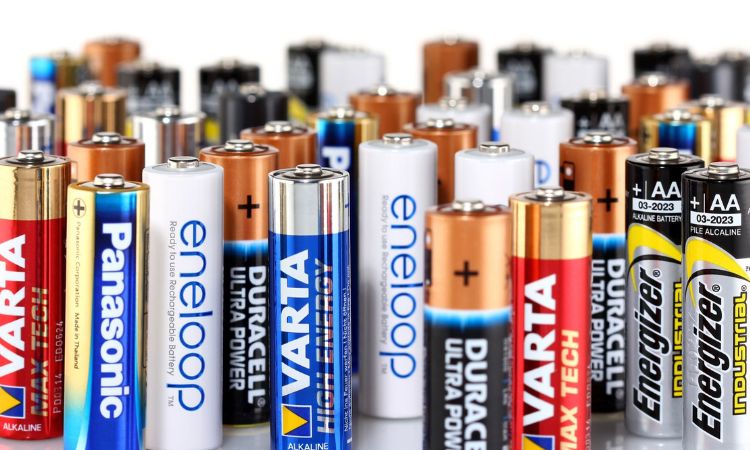
How Much Does a AA Battery Weigh?
The weight of a AA battery can vary depending on its type and materials. Generally speaking, the weight of AA batteries ranges from 0.67 oz (19 grams) for zinc-carbon batteries to 1.3 oz (37 grams) for NiMH rechargeable batteries.
Lithium batteries, due to their higher energy density, weigh less, typically around 0.53 oz (15 grams). In contrast, rechargeable NiMH batteries tend to be heavier, ranging from 1.1 oz (31 grams) to 1.3 oz (37 grams) due to the additional materials used for recharging.
Comparison Table: AA Battery Weights
| Battery Type | Weight (grams) | Voltage (V) | Common Use | Shelf Life | Cost ($) | Rechargeable | Materials Used |
|---|---|---|---|---|---|---|---|
| Alkaline | 23 – 31 | 1.5 | Remote controls, toys, clocks | 5–10 years | 0.50 – 1.50 | No | Zinc, Manganese |
| Lithium | 15 | 1.5 | Cameras, flashlights, outdoor | 10–20 years | 1.50 – 3.00 | No | Lithium, Carbon |
| NiMH (Rechargeable) | 31 – 37 | 1.2 | Digital cameras, gaming devices | 3–5 years | 1.50 – 2.50 | Yes | Nickel, Metal |
| NiCd (Rechargeable) | 29 – 32 | 1.2 | Power tools, older electronics | 2–3 years | 1.00 – 2.00 | Yes | Nickel, Cadmium |
| Zinc-Carbon | 19 | 1.5 | Flashlights, low-drain devices | 1–2 years | 0.25 – 0.75 | No | Zinc, Carbon |
Basics of a AA Battery Weight
The weight of a AA battery is mainly influenced by several factors, including the material composition, internal electrochemical components, and the type of battery chemistry used.
Material Composition
Batteries with denser materials such as lithium or nickel tend to be heavier than lighter alternatives like zinc-carbon. Lithium batteries, for example, are lighter due to the use of lithium metal, while NiMH batteries contain additional internal components to facilitate rechargeability, making them heavier.
Electrochemical Components
The internal components, such as the electrolyte, anode, and cathode, determine the energy capacity and weight. Rechargeable batteries like NiMH and NiCd contain additional internal structures to allow for recharging, increasing their weight.
Size and Shape
Though AA batteries follow a standardized size, variations in design, casing thickness, and material can cause slight differences in weight. Larger fuel reservoirs for longer burn times also add to the weight of the battery.
Factors Influencing AA Battery Weight
When it comes to AA batteries, their weight plays a significant role in determining how well they perform, how compatible they are with devices, and how practical they are for specific uses. The weight of an AA battery is not solely determined by its size but by several factors, including its chemistry, capacity, brand, and design. Each factor contributes to the overall weight and, consequently, the functionality of the battery. In this section, we’ll explore in detail the primary factors that influence the weight of AA batteries.
Battery Chemistry
Battery chemistry is the most influential factor when it comes to the weight of AA batteries. Different battery chemistries use distinct materials and electrochemical processes, which not only affect their performance but also their weight. Some chemistries are inherently lighter, while others are heavier due to the materials required.
Lithium Batteries
Lithium batteries are known for being among the lightest AA batteries available. Lithium metal is used in the anode of these batteries, and it is much less dense than the metals used in other types of batteries. As a result, lithium AA batteries weigh around 15 grams (0.53 oz), which is significantly lighter than alkaline or rechargeable batteries.
Lithium batteries are often used in high-drain devices because they offer a high energy density, meaning they can store more energy in a smaller and lighter package. The trade-off, however, is that while they are lightweight, lithium batteries tend to be more expensive than alkaline alternatives.
Alkaline Batteries
Alkaline batteries are among the most commonly used AA batteries and are a bit heavier than lithium batteries due to their use of zinc and manganese dioxide in their electrochemical composition. The typical weight of an alkaline AA battery ranges from 23 grams (0.81 oz) to 31 grams (1.1 oz).
While alkaline batteries are heavier than lithium, they are relatively inexpensive and are ideal for low-to-medium-drain devices such as remote controls, toys, and wall clocks. The weight of alkaline batteries makes them a reliable choice for general household use, balancing power output and cost effectively.
Nickel-Metal Hydride (NiMH) and Nickel-Cadmium (NiCd) Batteries
NiMH and NiCd rechargeable batteries are heavier than their non-rechargeable counterparts due to the additional internal components used for recharging purposes. Both NiMH and NiCd use nickel-based electrodes, which are denser than the materials used in lithium or alkaline batteries. As a result, a typical NiMH AA battery weighs between 31 grams (1.1 oz) and 37 grams (1.3 oz), making them significantly heavier than standard alkaline batteries.
Rechargeable NiMH batteries are designed to be reused hundreds of times, and the additional internal components required for this feature contribute to their increased weight. Although NiCd batteries are similar in weight, their use is declining due to environmental concerns and the availability of better alternatives like NiMH.
Zinc-Carbon Batteries
Zinc-carbon batteries are among the lightest in the AA category, weighing approximately 19 grams (0.67 oz). These batteries use a zinc-carbon paste as the electrolyte and are often used in low-drain devices. The lightweight design of zinc-carbon batteries makes them cost-effective for devices that don’t require much power, such as basic flashlights or low-drain toys. However, they offer limited performance and a shorter lifespan compared to alkaline and rechargeable batteries.
Capacity and Power Output
Capacity and power output are closely tied to the weight of a battery. Generally, batteries with higher capacities (measured in milliampere-hours or mAh) will weigh more because they are designed to store more energy. This is especially true for rechargeable batteries like NiMH and NiCd, which must have additional materials and internal components to allow for multiple charge cycles.
Higher Capacity = Heavier Battery
For example, a typical AA alkaline battery might have a capacity of 2,000 – 2,800 mAh, while a high-capacity NiMH rechargeable AA battery could hold between 2,400 – 2,800 mAh. While the weight differences between these batteries are not enormous, the rechargeable batteries are heavier because they have additional materials to enable recharging.
Batteries with greater capacity are particularly important in high-drain devices such as digital cameras, gaming controllers, or flashlights, where a large amount of energy is needed over a short period. Devices that demand higher power output require larger, heavier batteries to store more energy and ensure long-lasting power.
Brand and Manufacturing Techniques
The brand and manufacturing techniques used in the production of AA batteries can also influence their weight. Different manufacturers may use varying materials and production processes, resulting in slight variations in weight even between batteries of the same type and chemistry.
Material Variations
Some battery brands may use slightly thicker casings or different internal components, which can add a few extra grams to the battery’s weight. Additionally, some brands focus on optimizing the efficiency of their batteries, reducing the need for heavier materials while still providing a longer lifespan or higher capacity.
For example, premium brands may focus on enhancing the performance of their batteries, which could involve using higher-quality materials that might add to the weight but provide more consistent power output over time. On the other hand, discount brands may use cheaper, lighter materials to reduce costs, which could impact the battery’s performance and longevity.
Manufacturing Techniques
Manufacturers also use different production techniques that may impact the weight of the battery. For instance, high-quality batteries that are designed to be leak-proof or more durable may require additional layers or a thicker casing, which will add weight. In contrast, batteries that are mass-produced with fewer considerations for long-term durability might be lighter but offer less performance over time.
Size and Shape
The size and shape of a AA battery directly influence its weight. While AA batteries are generally standardized, slight variations in size or casing thickness can lead to differences in weight.
Casing Thickness and Material
The casing of an AA battery, typically made from steel or aluminum, is designed to contain and protect the battery’s internal components. Thicker casings offer more durability and protection, particularly for batteries that are used in rugged environments. However, a thicker casing naturally increases the weight of the battery.
Fuel Reservoir Size
The size of the battery’s fuel reservoir (the internal space that holds the chemical materials used to generate electricity) also plays a crucial role in determining weight. A larger reservoir is required for batteries with higher capacities or those designed for longer-lasting use. As a result, batteries like NiMH and NiCd, which are intended for frequent recharging, tend to have larger reservoirs and, thus, are heavier than other AA battery types.
Why AA Battery Weight Matters
The weight of a AA battery is an essential factor to consider when choosing the right battery for your devices. Here are several reasons why the weight of AA batteries is important:
Device Compatibility
Many devices are designed with specific battery weights in mind. If the battery is too light, it might not fit securely in the battery compartment or may not provide the necessary contact points to power the device. Conversely, if the battery is too heavy, it could cause the device to be unbalanced or malfunction. For instance, in high-end gadgets like cameras or game controllers, a battery that’s too heavy can make the device uncomfortable to handle, while a battery that’s too light might not perform efficiently.
Shipping and Transportation
For businesses that distribute AA batteries in bulk or sell battery-powered devices, the weight of the batteries significantly affects shipping and storage costs. Lighter batteries cost less to ship, and packaging requirements can be simpler. When shipping large quantities, every ounce saved adds up. Therefore, knowing the weight of your AA batteries is critical for efficient logistics, especially for e-commerce or large-scale retailers.
Performance
Heavier AA batteries often have a higher energy capacity. For example, rechargeable NiMH and NiCd batteries are typically heavier than their alkaline counterparts due to the additional materials inside them. This weight typically translates to longer-lasting power, making these batteries ideal for high-drain devices like digital cameras or electric razors. On the other hand, lighter batteries like lithium AA batteries are great for use in devices that need long shelf lives but not as much continuous power.
What to Consider While Choosing a AA Battery
When choosing a AA battery, it’s important to consider several key factors to ensure the battery suits your needs. Here’s a breakdown of the most important considerations:
Power Requirements
The first step in choosing a battery is understanding the power requirements of your device. If your device requires frequent use or high power output (such as a camera), you should opt for rechargeable batteries like NiMH, which provide higher capacity and longer use times. On the other hand, for low-power devices (e.g., a remote control or clock), basic alkaline or zinc-carbon batteries may suffice.
Battery Life
The battery life and its shelf life should also be considered. Alkaline batteries have a long shelf life of up to 10 years, which makes them ideal for emergency devices or items that are used intermittently. If your device requires regular use, rechargeable batteries are more cost-effective in the long term despite their initial higher cost, as they can be reused hundreds of times.
Cost Efficiency
Rechargeable AA batteries are more expensive upfront but can save you money in the long run. You can recharge them several times, whereas disposable batteries like alkaline or zinc-carbon are single-use and must be replaced after each cycle. If you use a lot of AA batteries, choosing a rechargeable option can be both environmentally friendly and cost-effective.
Weight Sensitivity
For lightweight devices, consider using lighter batteries like lithium AA batteries. They offer great performance, particularly in high-drain devices, and ensure that the device remains easy to handle. Conversely, for devices that demand long runtime, heavier rechargeable batteries may be more suitable.
How Much Does a AA Battery Hold?
The capacity of a AA battery is typically measured in milliampere-hours (mAh), which indicates how much charge it can store. The higher the mAh rating, the more energy the battery can store, which generally results in longer device runtime. Here’s a breakdown of the typical mAh ratings for various types of AA batteries:
- Alkaline: Typically holds between 2,000 mAh to 2,800 mAh, making them good for moderate-use devices.
- Lithium: Typically holds between 3,000 mAh to 3,400 mAh, providing the best energy density for devices that require high power.
- NiMH: Depending on the specific battery, it can hold anywhere from 600 mAh to 2,800 mAh. Higher-capacity NiMH batteries are ideal for high-drain electronics.
- NiCd: The capacity typically ranges from 600 mAh to 1,000 mAh, making them suitable for devices that require frequent recharging.
- Zinc-Carbon: These generally hold between 400 mAh to 1,700 mAh, and they are best used in low-power devices.
The higher the mAh, the longer the battery lasts, making it a crucial factor when considering battery longevity for power-hungry devices.
Do Rechargeable AA Batteries Weigh More?
Yes, rechargeable AA batteries, such as NiMH and NiCd, are generally heavier than their disposable counterparts like alkaline batteries. This is because rechargeable batteries contain more materials (such as nickel and cadmium) and have more complex internal components that allow them to be recharged and reused. The weight difference can be significant, with rechargeable NiMH batteries weighing between 31 grams (1.1 oz) and 37 grams (1.3 oz), compared to the lighter 15 grams (0.53 oz) of a lithium AA battery.
Despite their higher weight, rechargeable batteries offer the significant benefit of being cost-effective in the long term, as they can be used for hundreds or even thousands of cycles, saving you from continually buying disposable batteries.
Conclusion
The weight of a AA battery may seem like a minor detail, but it plays a key role in determining the suitability of a battery for different devices and applications. Whether it’s a small zinc-carbon battery for low-drain electronics or a high-capacity lithium AA for cameras and outdoor gear, knowing the weight of the battery can help guide your choice based on power requirements, cost, and convenience.
As you select a AA battery, consider factors like battery chemistry, capacity, device power needs, and overall weight. By understanding these aspects, you can make an informed decision that ensures optimal performance, longer battery life, and cost savings, all while making your devices run smoothly and efficiently.
Fun Facts
- Light but Mighty: Lithium AA batteries are lightweight yet offer superior performance, providing longer life for power-hungry devices like cameras.
- Alkaline’s Balance: Alkaline batteries provide the best balance between weight, performance, and cost, making them a popular choice for everyday items.
- Smaller but Mighty: Zinc-carbon batteries, although light, are ideal for low-drain devices like clocks and remote controls.
- Environmental Advantage: Rechargeable AA batteries may be heavier, but they reduce waste significantly by being reusable, offering long-term savings.