
Choosing the right gas stove for your kitchen is a crucial decision that involves many considerations, from cooking performance to energy efficiency. However, one of the most overlooked aspects when purchasing a gas stove is its weight. The weight of a gas stove impacts various factors such as installation, stability, durability, and cooking efficiency. It is essential to understand how weight correlates with the overall functionality of the appliance.
While many shoppers focus on the stove’s appearance, features, or price, the weight of the appliance can be just as important when it comes to its performance, safety, and long-term use. The weight determines how easy the stove is to move or install, how stable it is when in use, and the type of materials used in its construction.
This comprehensive guide will explore the weight of different types of gas stoves, their key components, and how to choose the best gas stove based on weight and other features.
What Is a Gas Stove?
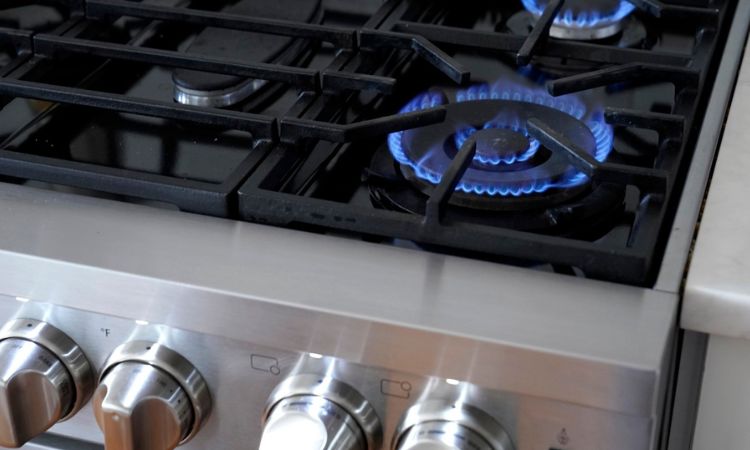
A gas stove is a kitchen appliance that uses either natural gas or liquefied petroleum gas (LPG) as its fuel source to generate heat for cooking. Unlike electric stoves, which rely on electrical elements, gas stoves use combustion to create heat. This process involves igniting gas through burners on the cooktop, where heat is then transferred to the cooking vessels. Gas stoves are a popular choice because they provide instant heat and precise temperature control, allowing for quicker cooking and better heat distribution.
Key Components of a Gas Stove:
- Cooktop: The top cooking surface where pots and pans are placed. This may feature multiple burners of different sizes, often ranging from 2 to 6 burners.
- Oven: The enclosed cooking compartment located beneath the cooktop used for baking, broiling, and roasting. Many models include racks and sometimes convection fans for better air circulation.
- Control Panel: The panel where users can control temperature settings for the burners and oven. The control knobs are typically located at the front or top of the stove for easy access.
- Grates: The metal components that support pots and pans on the cooking surface. Grates are typically made of durable materials like cast iron or enamel-coated steel.
Why Weight Matters
The weight of a gas stove plays a crucial role in its installation, stability, and long-term use. Heavier stoves are generally more durable and tend to have a sturdier construction. A stove’s weight is also an important factor when considering installation, as heavier units may require professional assistance due to their size and weight. Moreover, a heavier stove is typically more stable, reducing the likelihood of tipping or shifting during use, which is essential for safety in kitchens.
Types of Gas Stoves
Gas stoves come in several different types, each designed to suit various kitchen setups and user preferences. The stove type you choose can directly affect its weight, size, cooking efficiency, and cooking capabilities. Below are the three main types of gas stoves that vary in structure, features, and weight.
1. Freestanding Gas Stoves
- Structure: A freestanding gas stove is a standalone unit that includes both a cooktop and an oven in a single unit. These stoves have finished sides, which makes them versatile and easy to install anywhere in the kitchen.
- Weight: Freestanding gas stoves are typically the lightest among all stove types, with an average weight range between 100 to 200 pounds (45 to 90 kg), depending on the size and features.
- Advantages: Freestanding gas stoves are easy to install, move, and replace. They are generally more affordable compared to other stove types and do not require professional installation. They also offer flexibility in kitchen design.
- Disadvantages: Although they are cost-effective and versatile, freestanding stoves may not have the sleek, built-in design that some homeowners prefer. They also occupy more floor space, making them less ideal for small kitchens.
2. Slide-In Gas Ranges
- Structure: A slide-in gas range is designed to be integrated into your kitchen cabinetry, offering a custom-built look. These ranges typically do not have finished sides, and their seamless design creates a professional, high-end appearance.
- Weight: Slide-in gas ranges are heavier than freestanding models, with weights ranging from 150 to 250 pounds (68 to 113 kg), depending on the model and additional features.
- Advantages: These ranges provide a modern, built-in look and often come with high-end features such as touch controls, convection ovens, and larger oven capacities. They are also designed to slide into standard kitchen cabinetry, enhancing the overall kitchen aesthetic.
- Disadvantages: Installation of slide-in ranges can be more complex, and they are less portable than freestanding models. Their increased weight and built-in design make them harder to move or replace.
3. Cooktops
- Structure: A cooktop is a standalone cooking surface, often without an oven, that is installed directly into the countertop. Cooktops can have either gas burners or induction elements, and they provide a sleek and modern cooking solution for those who prefer built-in appliances.
- Weight: Cooktops are typically lighter than ranges, weighing between 50 to 100 pounds (23 to 45 kg), depending on the number of burners and materials used.
- Advantages: Cooktops offer flexibility in kitchen design, as they can be installed in custom countertops and paired with wall ovens. They allow for more creative kitchen layouts and can be integrated with other appliances to maximize space.
- Disadvantages: Cooktops do not include an oven, so they require an additional oven installation. They may also have fewer features than full ranges, limiting their versatility for certain cooking tasks.
How Much Does a Gas Stove Weigh?
The weight of a gas stove depends primarily on the type of stove, its size, the material used, and the features it includes. Here’s a breakdown of the weight for each stove type:
- Freestanding Gas Stoves: These are the lightest, typically weighing between 100 to 200 pounds (45 to 90 kg). Their simple design, with both the cooktop and oven integrated, makes them ideal for homeowners looking for a versatile, easy-to-install appliance.
- Slide-In Gas Ranges: These stoves are heavier, with an average weight of 150 to 250 pounds (68 to 113 kg). Their more complex construction, built-in design, and additional high-tech features contribute to their increased weight.
- Cooktops: These stoves are the lightest of all, typically weighing between 50 to 100 pounds (23 to 45 kg), as they only consist of a cooktop without an oven.
Brand Variations:
- GE Appliances: Freestanding models from GE typically weigh between 120 to 180 pounds (54 to 82 kg). They are designed to offer a balance of efficiency, reliability, and performance.
- Whirlpool: Known for their durable gas stoves, Whirlpool models usually weigh between 130 to 220 pounds (59 to 100 kg). Their models are recognized for their reliability and ease of use.
- Samsung: Samsung offers premium stoves with advanced features like Wi-Fi connectivity and convection cooking. These stoves are typically heavier, ranging from 150 to 250 pounds (68 to 113 kg), due to their modern technology and larger cooking capacity.
Gas Stove Weight Comparison Table
| Model | Weight (lbs/kg) | Type | Features | Price Range (USD) | Durability | Cooking Efficiency | Energy Efficiency |
|---|---|---|---|---|---|---|---|
| GE Coil Top Model | 140 / 63.5 | Freestanding | Manual control, basic burners | $400 – $600 | Moderate | Standard | Low |
| Whirlpool Slide-In Range | 180 / 82 | Slide-In | Convection, Wi-Fi connectivity | $800 – $1,300 | High | Fast Heating | High |
| Samsung Induction Model | 220 / 99.8 | Slide-In | Convection oven, smart technology | $1,200 – $1,500 | Very High | Ultra-Fast Heating | Very High |
| Frigidaire 5-Burner Range | 210 / 95.3 | Freestanding | Self-cleaning, large burners | $1,000 – $1,500 | High | High Efficiency | Moderate |
Note: Prices and features may vary based on model specifics, location, and retailer.
Basics of Gas Stove Weight
The weight of a gas stove is determined by various factors, with material composition, size, and the complexity of its design being the most significant contributors. Generally, heavier gas stoves tend to have more advanced features, higher-quality materials, and larger cooking capacities, all of which can enhance cooking efficiency and durability. For instance, stoves made from durable materials like cast iron, stainless steel, and glass-ceramic are significantly heavier. Cast iron grates and burners, known for their exceptional heat retention and stability, add considerable weight to the appliance, while stainless steel provides strength and resistance to corrosion, also contributing to its heft.
Lighter gas stoves, by contrast, often utilize less dense materials, such as enamel-coated steel or even plastic components, which are easier to transport but lack the longevity and sturdiness of their heavier counterparts. These stoves might be more suitable for smaller kitchens or for people looking for a more portable cooking solution. However, while they are easier to move and install, they may not offer the same level of performance or resilience as heavier models.
The size of the stove also plays a crucial role in determining its weight. Larger stoves, especially those with multiple burners or double ovens, are naturally heavier due to the added components required to support these features. A 6-burner stove, for example, will weigh more than a 4-burner model, and a stove with a larger oven will be bulkier as well. Similarly, commercial-grade stoves designed for professional kitchens are particularly heavy, thanks to their increased capacity and larger design.
Additionally, the complexity of a stove’s design impacts its weight. Gas stoves with advanced features like convection ovens, smart controls, or induction burners are often heavier due to the extra components and electronics integrated into the appliance. These features improve cooking efficiency and user experience but add to the overall mass of the stove. On the other hand, simpler models with basic burners and manual controls are typically lighter and more portable, but they often lack the durability and extra functionalities that heavier, more complex stoves offer.
Factors Influencing Gas Stove Weight
When selecting a gas stove for your kitchen, understanding the factors that influence its weight is crucial for several reasons. The weight of a gas stove not only impacts its ease of installation but also plays a significant role in its stability, durability, and overall performance. Several key elements contribute to the weight of a gas stove, including the materials used, the size and capacity, the technology integrated into the appliance, and the design structure. Let’s explore these factors in detail to help you make an informed decision when purchasing a gas stove.
1. Material Composition
The materials used in the construction of a gas stove are one of the most significant contributors to its weight. The choice of materials directly affects the stove’s durability, heat distribution, and overall weight. Here’s how different materials influence the weight of a gas stove:
- Cast Iron: One of the heaviest materials used in gas stoves is cast iron, especially for the grates and burners. Cast iron is known for its excellent heat retention properties, making it a preferred choice for many gas stoves. The dense material allows the stove to retain and evenly distribute heat across the cooking surface, providing consistent performance. However, the heavy nature of cast iron adds a substantial amount of weight to the appliance. Cast iron grates are often found in both high-end residential and professional-grade stoves, contributing to their overall heaviness.
- Stainless Steel: Stainless steel is commonly used for the body and frame of many modern gas stoves. While stainless steel is a sturdy material that provides excellent durability and resistance to corrosion, it is lighter than cast iron. The use of stainless steel helps reduce the overall weight of the stove while maintaining its strength and appearance. This material is often used in conjunction with other materials like cast iron for the burners, resulting in a balanced weight distribution.
- Glass-Ceramic: Smooth-top gas stoves often feature a glass-ceramic cooking surface. This material is durable, heat-resistant, and offers an easy-to-clean surface, but it also adds weight to the stove. Glass-ceramic cooktops are typically found in more modern gas ranges, especially those designed for aesthetics and ease of cleaning. The thickness and heat resistance of glass-ceramic contribute to the stove’s overall weight, making these models heavier than those with traditional coil burners.
The combination of these materials—cast iron for grates and burners, stainless steel for the body, and glass-ceramic for smooth tops—results in a stove that is both durable and functional but also adds considerable weight to the appliance.
2. Size and Capacity
Size and cooking capacity play a significant role in the weight of a gas stove. Larger models, with additional burners or oven compartments, are naturally heavier than smaller, more compact versions. Here’s a breakdown of how size and capacity affect weight:
- Burner Count: Gas stoves with more burners will naturally weigh more. For example, a six-burner stove will weigh more than a four-burner stove because it requires additional burner components, more gas lines, and a larger cooktop. These added elements, along with the space needed to accommodate them, contribute to the stove’s increased weight. Stoves with specialty burners, such as wok burners or high-BTU burners, also tend to be heavier due to their more robust construction.
- Oven Size: The oven capacity is another important factor in determining the weight of a gas stove. Stoves with larger ovens, especially those with additional features like convection or double ovens, are heavier. A stove with a spacious oven allows for more cooking capacity, but this also means the stove needs more components, such as oven racks and heating elements, adding to its overall weight. Larger oven compartments are generally more substantial in construction, contributing to the stove’s overall mass.
- Commercial-Grade Models: Commercial-grade stoves, which are designed for professional kitchens, are generally much heavier than residential models. These stoves are built with industrial-grade materials, larger burners, more powerful ovens, and greater cooking capacities. Their robust construction ensures they can withstand the demands of high-volume cooking, but this also adds significant weight to the appliance.
3. Technology and Features
Incorporating advanced technology and additional features into a gas stove can increase its weight significantly. Gas stoves with modern features, while providing enhanced performance and convenience, often require more components, which add to the overall weight.
- Convection Ovens: Gas stoves with convection ovens are typically heavier because convection fans, heating elements, and motorized components are added to the design. These ovens circulate air for more even cooking, which adds complexity to the internal construction of the stove and thus increases its weight.
- Smart Technology: Modern gas stoves often feature smart technology, such as Wi-Fi connectivity, touchscreens, and app-controlled cooking. These advanced features require additional electronics, sensors, and control panels, which contribute to the weight of the appliance. Stoves with smart capabilities generally come with larger, more intricate control panels and more extensive wiring, further adding to the overall mass of the appliance.
- Induction Burners: While induction burners are more commonly associated with electric stoves, some high-end gas stoves now offer induction cooking zones. Induction cooking is faster and more energy-efficient, but the technology requires additional components, including magnetic coils and specialized electronics, which contribute to the stove’s weight.
- Self-Cleaning Ovens: Many modern gas stoves come equipped with self-cleaning ovens, a feature that simplifies maintenance but adds to the stove’s weight. The self-cleaning mechanism, which involves high heat to burn off food residue, requires additional insulation and components, making these stoves heavier than traditional models.
4. Design and Structure
The overall design and structure of a gas stove influence its weight. The design not only affects the stove’s appearance but also its internal components and materials.
- Freestanding vs. Slide-In: Freestanding gas stoves are often lighter than slide-in ranges because freestanding models are simpler in design and don’t require integration into cabinetry. Slide-in stoves, which offer a built-in look, are typically heavier because they include additional parts like seamless sides and larger panels, designed for a more cohesive kitchen appearance. Built-in models often feature additional compartments, which add to their weight.
- Structural Components: The inclusion of additional compartments, such as warming drawers, storage areas, or larger oven spaces, can add weight to the stove. These features require extra metal, components, and space, resulting in a heavier stove. Stoves designed for commercial use are also typically built with extra layers of insulation to handle high heat, contributing to their substantial weight.
Why Gas Stove Weight Matters
The weight of a gas stove has several implications:
- Installation: Heavier stoves may require professional installation, especially if they are slide-in models or have advanced features.
- Stability: A heavier stove provides better stability, reducing the risk of tipping over. This is particularly important for safety in kitchens with children.
- Durability: A gas stove’s weight often correlates with its build quality. Heavier models tend to be made of more robust materials and feature more advanced components, ensuring a longer lifespan.
- Mobility: Lighter models are easier to move, which is an advantage for those who relocate frequently or live in rental properties. On the other hand, heavier models provide more durability and better performance over time.
What to Consider While Choosing a Gas Stove
Choosing the right gas stove for your kitchen involves much more than simply selecting a model that fits your aesthetic preferences. It’s an investment that should suit your cooking style, available space, budget, and long-term needs. Gas stoves are versatile and can cater to a wide variety of users, from casual home cooks to professional chefs. Here’s a detailed breakdown of the most important factors to consider when selecting a gas stove for your kitchen.
1. Purpose: What Will You Use the Stove For?
The primary factor that influences your choice of gas stove is its intended use. Do you need it for casual, everyday cooking, or will you be using it for more intensive, professional-grade culinary tasks? Understanding the purpose of the stove will help determine the type and features you require.
- Casual Home Cooking: If you’re an average home cook, a basic freestanding or slide-in gas stove with standard features should suffice. These models generally come with four burners, a spacious oven, and basic temperature control. For most households, these stoves offer everything you need for everyday meal preparation.
- Professional-Grade Cooking: If you’re someone who enjoys high-end cooking or you need a stove for a professional kitchen, you’ll likely require a stove with advanced features. Look for stoves with larger burner capacities, multiple burner options (e.g., wok burners or high-BTU burners), convection ovens, or even induction burners for more precise control. Heavy-duty construction, larger oven sizes, and additional cooking modes are essential for professional kitchens.
Choosing the right stove based on your cooking frequency and intensity is crucial to ensuring that you’re not overpaying for unnecessary features or settling for something that doesn’t meet your needs.
2. Size and Space: Will It Fit in Your Kitchen?
Before making any decisions, it’s important to measure the available space in your kitchen to ensure the stove will fit properly. Gas stoves come in various sizes, typically ranging from 24 to 36 inches in width, though commercial-grade models may be even larger.
- Freestanding Stoves: These are typically 30 inches wide (76.2 cm), which is the standard size that fits most kitchen spaces. However, you should still check the available area to ensure the stove won’t crowd your kitchen.
- Slide-In Stoves: Slide-in models, often chosen for their sleek, built-in appearance, usually come in 30-inch widths as well. However, they require precise measurements since they are designed to fit seamlessly into cabinetry.
- Cooktops: If you opt for a cooktop instead of a full range, ensure that your countertop can accommodate the unit, as these can vary in size. Additionally, you’ll need to account for the weight and space for the necessary oven unit, as cooktops do not include ovens.
When considering stove dimensions, don’t forget to factor in clearance space around the stove for safety, especially around the burners. Larger stoves or stoves with additional features might require more space, so measuring accurately before purchasing is vital.
3. Budget: What’s Your Price Range?
Your budget is an essential aspect of choosing the right gas stove. Gas stoves vary widely in price depending on the type, brand, and features. Here are some general price ranges based on the stove’s features:
- Entry-Level Models: Basic coil top models generally fall in the $400 to $600 range. These are suitable for everyday home use with minimal features.
- Mid-Range Models: Slide-in or smooth-top models with convection ovens, smart technology, or additional burners typically cost between $800 and $1,500.
- High-End Models: Premium brands and high-end gas stoves with advanced features, such as smart connectivity, induction burners, or double ovens, can cost upwards of $2,500.
It’s essential to find a balance between what you can afford and the features that best meet your needs. If you’re not cooking professionally or using the stove for large gatherings frequently, a mid-range model with solid functionality might be more than enough.
4. Durability: Will It Last?
Durability is another important consideration when choosing a gas stove. A stove’s weight can be a good indicator of its durability. Heavier models tend to be more sturdy, using robust materials like cast iron grates, stainless steel bodies, and thicker burners.
- Material Quality: Cast iron and stainless steel are durable materials often used in premium gas stoves. Cast iron is known for its ability to withstand high heat and retain heat efficiently, making it ideal for burners and grates. Stainless steel is strong, corrosion-resistant, and offers a sleek appearance.
- Weight and Stability: Heavier stoves, often made from high-quality materials, provide greater stability, making them less prone to tipping over. These stoves can handle the rigors of everyday cooking while maintaining their performance over the years.
- Brand Reputation: Opting for a well-established brand like Whirlpool, GE, or Frigidaire can often provide peace of mind when it comes to durability. These brands are known for their long-lasting appliances, with warranties to back up their claims.
5. Energy Efficiency: Is It Cost-Effective to Run?
Energy efficiency is a crucial factor in the long-term cost of owning a gas stove. While gas stoves are generally more energy-efficient than electric models, certain features and design choices can increase or decrease their efficiency.
- Convection Ovens: Many modern gas stoves come with convection ovens, which help to circulate hot air evenly throughout the oven. This allows food to cook faster and more evenly, reducing cooking times and energy consumption.
- Induction Burners: Some gas stoves include induction burners, which heat cookware directly using electromagnetic fields. Induction stoves are typically more energy-efficient than traditional gas burners, as less heat is lost in the cooking process.
- BTU Ratings: BTU (British Thermal Unit) measures the heat output of a burner. Gas stoves with high BTU ratings generally provide faster cooking times, which can help save energy. Look for stoves that have burners with varying BTU ratings to suit your cooking needs.
Although gas stoves are relatively energy-efficient, it’s important to look for stoves that offer energy-saving features, like those mentioned above, to maximize long-term savings on gas bills.
How Much Does a Gas Stove Cost?
The cost of a gas stove varies depending on its features, size, and brand. Here’s a general breakdown:
- Freestanding Models: These typically cost between $500 to $2,000, depending on size, features, and brand.
- Slide-In Models: Prices range from $800 to $2,500, offering high-end features like convection cooking, Wi-Fi connectivity, and larger oven capacities.
- Cooktops: These are typically the most affordable, ranging from $300 to $1,500, depending on the number of burners and materials.
Standard Dimensions/Height of a Gas Stove
Gas stoves typically have standard dimensions:
- Width: 30 inches (76.2 cm)
- Depth: 25 to 27 inches (63.5 to 68.6 cm)
- Height: 36 inches (91.4 cm)
These dimensions are fairly standard, but always check the manufacturer’s specifications for variations based on specific models or brands.
Applications and Uses of a Gas Stove
Gas stoves are versatile appliances used for various purposes:
- Home Cooking: Perfect for daily meal preparation, baking, and roasting.
- Professional Kitchens: Used in commercial environments, offering reliability and efficiency in high-volume cooking.
- Outdoor Cooking: Portable gas stoves are ideal for camping, picnicking, or cooking outdoors.
How to Choose a Gas Stove Based on Weight
When selecting a gas stove based on weight, consider:
- Installation Needs: Lighter models are easier to install and move.
- Space: Make sure the stove fits comfortably in your kitchen.
- Stability and Durability: Heavier models often provide better stability and durability.
Conclusion
The weight of a gas stove plays a significant role in determining its functionality, stability, and durability. By understanding the factors that contribute to the stove’s weight—such as size, material, and additional features—you can make an informed decision. Whether you opt for a basic freestanding model, a sleek slide-in range, or a high-tech induction stove, the weight of the stove is an essential factor to consider for optimal performance and long-term use.
Fun Facts
- Lighter Than Electric Stoves: Gas stoves typically weigh less than electric ones because they don’t have heavy components like induction coils or large heating elements.
- Standard Weights: Most residential gas stoves weigh between 100 to 150 pounds, depending on size and features.
- More Burners = More Weight: Just like electric stoves, the more burners and features (like additional ovens), the heavier the gas stove will be.
- Material Matters: Gas stoves made from stainless steel tend to be heavier than those made with lighter materials like aluminum or simple metals.
- Portable Models: There are also portable gas stoves for camping that can weigh as little as 10 pounds—great for cooking on the go!