
Pellet stoves have carved a strong reputation in the world of home heating as practical, efficient, and eco-friendly alternatives to traditional wood-burning stoves and fireplaces. These appliances offer a clean-burning, renewable way to stay warm, and they fit neatly into modern households where convenience and sustainability go hand in hand. Yet, one question often overlooked until installation day arrives is: how much does a pellet stove actually weigh?
The answer is far from straightforward. The weight of a pellet stove depends on several factors such as its type, size, construction materials, hopper capacity, and even the manufacturer’s design choices. While a small model may weigh as little as 100 pounds (45 kg), a large high-capacity unit can tip the scale at over 600 pounds (272 kg). This makes weight an important detail to consider because it affects installation logistics, the strength of the floor beneath, maintenance access, and even how the stove integrates into your living space.
In this comprehensive guide, we will unpack everything there is to know about pellet stove weight. We’ll discuss what a pellet stove is, the different types available, the role of materials in weight variation, and how brands compare in terms of design and build. You’ll find a detailed comparison table of popular models, explanations of why weight matters, and practical advice on how to choose the right stove for your home.
By the end, you will not only understand pellet stove weight ranges in pounds and kilograms but also gain insights into how weight impacts cost, efficiency, installation, and overall performance. Whether you are a homeowner looking to install your first pellet stove or a seasoned user thinking about an upgrade, this article will equip you with the knowledge to make an informed decision.
What Is a Pellet Stove?
A pellet stove is a specialized heating appliance designed to burn compressed wood or biomass pellets, providing a steady, controlled, and efficient heat source. Unlike traditional fireplaces or wood stoves that rely on logs, pellet stoves use small cylindrical pellets made from sawdust, wood shavings, and other organic materials compressed under high pressure. This results in a highly energy-dense fuel that burns cleanly with minimal emissions.
The structure of a pellet stove is both practical and advanced. At the top or back sits the hopper, which acts as the storage container for pellets. Depending on the model, a hopper may hold anywhere from 20 pounds (9 kg) to over 130 pounds (59 kg) of pellets. From there, an auger system—essentially a rotating screw—feeds the pellets slowly and consistently into the burn pot. The burn pot is where combustion takes place, ignited by an electric starter or igniter. Once burning, the stove uses a blower fan to circulate the heat into the living area, while another exhaust fan pushes smoke and gases safely outside through a vent.
A control panel or digital interface allows users to set temperatures, adjust feed rates, and even program timers. Some modern pellet stoves come equipped with smart technology, enabling Wi-Fi or remote control for added convenience.
Pellet stoves are versatile in design. You’ll find freestanding units that resemble traditional wood stoves, sleek inserts designed to convert old fireplaces into efficient heating systems, and pellet boilers that can provide whole-house heating and hot water. Regardless of the type, all pellet stoves share one thing in common: their ability to deliver efficient, eco-friendly warmth using a renewable fuel source.
Because of their robust components and durable materials, pellet stoves are far from lightweight appliances. Their weight plays a direct role in their longevity, safety, and performance, which is why understanding their construction is key before diving into the details of how much they weigh.
Types of Pellet Stoves
Pellet stoves are not one-size-fits-all. Instead, they come in different types to cater to various household needs, space constraints, and design preferences. Each type carries unique physical properties that affect not only its performance but also its overall weight.
1. Freestanding Pellet Stoves
These are the most common type, designed to sit independently in a room much like a wood stove. Freestanding models typically feature large hoppers, heavy-duty blowers, and a sturdy build, often made from steel or cast iron. Because of their independent structure, freestanding pellet stoves generally weigh more, ranging from 200–450 pounds (90–204 kg). Their weight is often attributed to their robust casing and larger fuel storage capacity.
2. Pellet Stove Inserts
Pellet stove inserts are engineered to slide into existing fireplaces, making them a great option for homeowners who want to upgrade their traditional wood-burning setup. Inserts tend to be more compact since they rely on the fireplace’s existing structure for placement. This makes them lighter, typically weighing between 150–250 pounds (68–113 kg). While lighter, they still offer solid heating efficiency but usually with smaller hoppers compared to freestanding units.
3. Pellet Boilers
At the top end of the scale are pellet boilers. These systems are designed to provide central heating and hot water to an entire home or building. They are industrial in build, with large storage and combustion systems. Pellet boilers can weigh anywhere from 400 pounds (181 kg) to over 600 pounds (272 kg), depending on capacity and construction. Their weight is a reflection of both their size and the durable materials needed to withstand continuous use.
Other Subcategories
Within these categories, you’ll also find differences based on material (steel vs. cast iron), design (modern vs. traditional), and feature sets (digital controls, remote access, high-capacity hoppers). Each of these design choices contributes to the overall weight of the stove.
In summary, freestanding models are the heaviest due to their independent design, inserts are the lightest because of their compact build, and boilers dominate the heavyweight category because of their central heating function. This diversity highlights why pellet stove weight varies so much across brands and models.
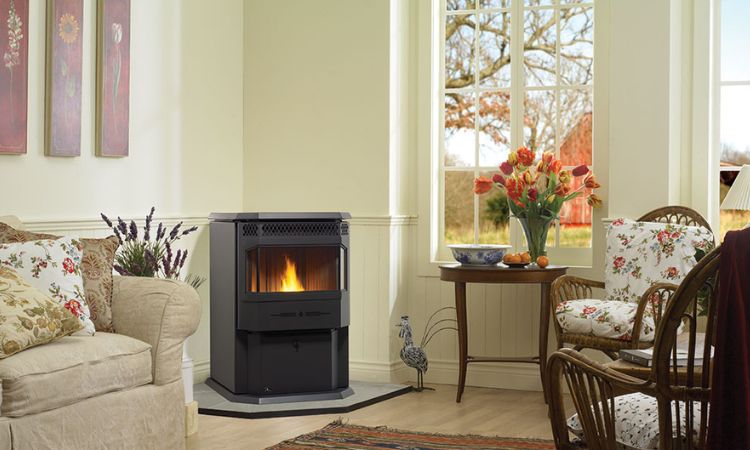
How Much Does a Pellet Stove Weigh?
The weight of a pellet stove can vary dramatically depending on its design, capacity, materials, and intended function. While some smaller models may weigh as little as 100 pounds (45 kg), others, particularly high-capacity models with larger hoppers, can weigh over 600 pounds (272 kg). Understanding the different weight ranges for pellet stoves will help you choose the right model based on your needs, installation constraints, and overall heating requirements.
Small Models
Small pellet stoves are designed for homes or rooms with limited space or heating needs. These models typically weigh between 100–150 pounds (45–68 kg) and are ideal for small apartments, cabins, or single-room heating. Their compact size makes them easier to transport and install, but they usually come with smaller hoppers and lower heating outputs. Despite their smaller size, they are still highly efficient and can provide sufficient warmth for small to medium-sized areas.
Small pellet stoves are often made from lightweight steel and may include basic features like simple digital controls or manual temperature adjustment. Their lower weight also makes them easier to maintain and move when necessary. However, they may not be suitable for homes requiring extensive heating or those looking for higher capacity pellet storage.
Medium Models
Medium-sized pellet stoves are ideal for larger living areas or homes with multiple rooms requiring additional heat. These units usually weigh between 200–300 pounds (90–136 kg) and are designed with larger hoppers and more powerful fans. The increased weight is often attributed to their more robust construction, which can include materials like cast iron or thicker steel, as well as advanced components like programmable thermostats and larger heat exchangers.
Medium models can often heat areas between 1,500 to 2,400 square feet (139–223 m²), making them versatile for most homes. The weight also reflects their greater fuel storage capacity, allowing for fewer pellet refills over time. While they are still manageable for installation and transport, medium models may require professional help depending on the home setup, floor load, and venting configuration.
Large Models
The heaviest of the pellet stoves, large models, weigh between 300–600 pounds (136–272 kg), with some premium models even exceeding this range. These stoves are capable of heating large homes or providing centralized heating through a system of ducts or vents. Large pellet stoves often come equipped with high-capacity hoppers capable of holding 80 to 130 pounds (36–59 kg) of pellets, meaning that they can run for extended periods without requiring a refill.
Due to their size, large pellet stoves are made from durable materials like cast iron or thick steel, and they come with advanced features such as remote control, Wi-Fi integration, enhanced fans, and multi-zone heating capabilities. While they provide superior heating performance, they also require a solid foundation, adequate ventilation, and professional installation. These stoves are often used in homes that need consistent heat throughout the day and night, including colder climates where reliable, long-lasting warmth is essential.
Overall, choosing the right stove based on its weight, size, and heating capacity will ensure that it fits seamlessly into your home’s heating system and provides the best efficiency for your needs.
Pellet Stove Weight Comparison Table
To give you a better understanding of how various pellet stoves compare in terms of weight, features, and overall value, here’s a detailed comparison table of some popular models. This table will help you visualize the differences based on size, fuel capacity, and heating area.
| Model | Weight (lbs) | Hopper Capacity (lbs) | Heating Area (sq ft) | Price | Features | Material |
|---|---|---|---|---|---|---|
| ComfortBilt HP21 | 250 lbs (113 kg) | 40 lbs (18 kg) | 2,400 sq ft (223 m²) | $1,899 | Modern design, large window | Steel |
| ComfortBilt HP22 | 300 lbs (136 kg) | 55 lbs (25 kg) | 2,800 sq ft (260 m²) | $2,299 | High-efficiency, quiet operation | Cast Iron |
| US Stove 5500M King | 250 lbs (113 kg) | 25 lbs (11 kg) | 1,600 sq ft (149 m²) | $1,499 | Heavy-duty, programmable | Steel |
| PelPro PP130 | 300 lbs (136 kg) | 130 lbs (59 kg) | 2,000 sq ft (186 m²) | $2,199 | Large hopper, powerful fan | Cast Iron |
| Castle Serenity 12327 | 185 lbs (84 kg) | 40 lbs (18 kg) | 1,500 sq ft (139 m²) | $1,499 | Budget-friendly, compact design | Steel |
| Harman P68 | 450 lbs (204 kg) | 60 lbs (27 kg) | 2,400 sq ft (223 m²) | $3,399 | High-efficiency, low emissions | Cast Iron |
This comparison provides a snapshot of various pellet stoves based on their weight and features. For example, the ComfortBilt HP22 is heavier due to its larger hopper and higher heating capacity, while the Castle Serenity 12327 offers a more compact design and a lower weight, making it ideal for smaller spaces.
Basics of Pellet Stove Weight
Understanding what influences the weight of a pellet stove is important when selecting the right model for your home. The main factors that contribute to the weight of a pellet stove include:
1. Materials
One of the most significant factors that affect the weight of a pellet stove is the material used in its construction. Stoves made from cast iron are typically much heavier than those made from steel. Cast iron is dense, durable, and retains heat for longer, which makes it ideal for high-performance stoves. However, it also adds considerable weight. On the other hand, steel stoves are lighter and may be more affordable but might not have the same heat retention properties as cast iron models.
2. Size and Design
The larger the stove, the heavier it tends to be. Freestanding pellet stoves, for example, have a standalone design that requires sturdier construction and larger fuel hoppers, both of which increase the weight. Additionally, pellet stove inserts are often smaller, as they are designed to fit into existing fireplaces. Their more compact structure results in a lower weight.
3. Features and Components
Pellet stoves with additional features such as digital thermostats, remote controls, and built-in air circulation systems tend to weigh more. Larger burn pots, bigger blowers, and multi-zone heating components also contribute to the overall weight of the stove. These advanced systems improve heating efficiency but require stronger, more substantial materials, thus increasing the weight.
4. Heating Capacity
Pellet stoves with higher heating capacities are generally heavier. This is because they are designed to heat larger areas and often come equipped with larger fans, bigger hoppers, and better insulation. A stove that heats 2,000 sq ft (186 m²) will likely weigh more than one that heats just 1,500 sq ft (139 m²) due to these added components.
Overall, weight is an important consideration in choosing the right pellet stove, as it impacts everything from installation to maintenance and long-term performance.
Factors That Influence Pellet Stove Weight
When choosing a pellet stove, understanding the factors that contribute to its weight can help you make a more informed decision. Weight influences not only the installation process but also the overall performance and durability of the stove. Here are some of the key factors that determine how much a pellet stove weighs:
1. Construction Materials
The material used in the construction of a pellet stove is one of the primary determinants of its weight. Pellet stoves are commonly made from either steel or cast iron.
- Cast Iron Stoves: Known for their durability and excellent heat retention, cast iron stoves are usually heavier due to the density of the material. The ability of cast iron to store and radiate heat makes it ideal for longer burn times, but it also adds significant weight. Cast iron stoves can be anywhere from 100 to 200 pounds (45 to 90 kg) heavier than their steel counterparts.
- Steel Stoves: Steel, while lighter than cast iron, is still an excellent material for pellet stoves. Steel stoves are generally less expensive, but they can still provide excellent heat output and efficiency. These models tend to be much lighter, ranging from 100 to 250 pounds (45 to 113 kg), depending on their size and features.
Some modern pellet stoves combine both materials, using steel for the body and cast iron for the burn pot or other high-stress components. This hybrid approach seeks to balance durability with weight.
2. Hopper Capacity
The size of the hopper—the container where pellets are stored—directly impacts the weight of the stove. Larger hoppers mean the stove can store more pellets, reducing the need for frequent refilling. As a result, stoves with larger hoppers tend to be heavier.
- Small Hoppers: These are generally designed for small stoves with lower heating capacities and weigh less.
- Large Hoppers: Found in larger, more powerful stoves, large hoppers can hold 50 to 130 pounds (23 to 59 kg) of pellets, contributing significantly to the stove’s weight.
Hoppers are often made of heavy-duty materials such as steel or cast iron to ensure durability and the ability to hold a substantial amount of pellets.
3. Heating Capacity and Blowers
The heating capacity of a pellet stove determines how much energy it needs to generate to warm a space. Pellet stoves that can heat larger areas usually have more powerful fans and larger heat exchangers, which add to the weight of the unit.
- Large Heating Capacity: Stoves with a higher BTU (British Thermal Unit) rating for larger spaces generally weigh more due to the inclusion of larger, more powerful blowers and heat exchangers.
- Smaller Heating Capacity: Conversely, stoves designed for smaller spaces tend to have smaller fans and blowers, keeping the weight down.
4. Additional Features
Pellet stoves today come equipped with many additional features designed to improve convenience, efficiency, and user experience. These features can add weight to the stove:
- Programmable Thermostats: Many pellet stoves now offer advanced controls and digital thermostats that can regulate the stove’s performance automatically. These systems, while enhancing efficiency, also contribute to the stove’s overall weight.
- Remote Control and Wi-Fi: Some high-end models come with the ability to control the stove via smartphone apps or remote controls. These features often require additional components like sensors, receivers, and batteries.
- Larger Burn Pots: A larger burn pot allows for better combustion and longer burning times, which adds weight to the stove.
As with any product, the more features a pellet stove has, the more it weighs, reflecting the complexity of the added components.
Why Pellet Stove Weight Matters
Understanding the weight of a pellet stove is essential for several reasons. Its weight impacts various aspects of the stove’s installation, maintenance, and performance. Here are some of the primary reasons why weight matters when choosing a pellet stove:
1. Installation Considerations
Pellet stoves can be heavy, especially when considering larger models with higher heating capacities. Installing a pellet stove typically requires placing it on a flat, level surface that can support its weight. This is especially important for freestanding stoves, which have a larger, bulkier design compared to inserts.
- Floor Strength: A heavier stove may require a reinforced floor to bear the weight. If your floor is made of wood, you may need to add extra support underneath the stove to ensure the weight is evenly distributed and doesn’t cause structural damage.
- Ventilation Requirements: Heavier pellet stoves often require specific venting systems. The stove’s venting system, along with the weight of the stove itself, may necessitate professional installation to ensure safety and proper operation.
2. Mobility
Once installed, a pellet stove is typically stationary. However, maintenance and cleaning may require moving the stove occasionally. For smaller models, this is less of a concern, but with larger stoves weighing upwards of 500 pounds (227 kg), moving them can be a real challenge.
- Mobility for Service: If you plan on relocating or servicing the stove in the future, it’s important to consider how easily it can be moved. Some pellet stoves come with casters or wheels for easier relocation, but these features are generally found on smaller models.
3. Maintenance Access
A heavier stove may be harder to maintain because it can be cumbersome to access certain parts, such as the burn pot or ash pan. Routine cleaning of these components is essential for the stove’s longevity and efficiency. If you need to perform maintenance on a heavy stove, it may be necessary to call in professional help to avoid injury or damage to the unit.
4. Long-Term Performance
The weight of the stove is often an indicator of its build quality. Heavier stoves made from cast iron or steel are generally more durable and efficient than lighter ones. They can store more heat, require fewer refills, and often come with better insulation to maximize energy efficiency. So, while heavier models may come with higher upfront costs and installation challenges, they can provide long-term benefits in terms of performance and reliability.
What to Consider While Choosing a Pellet Stove?
Choosing the right pellet stove is an investment in both your home’s comfort and the long-term efficiency of your heating system. Pellet stoves come in various sizes, designs, and weights, so it’s important to consider several key factors before making your purchase. Here are the most important aspects to think about when choosing a pellet stove:
1. Weight and Size
Before deciding on a model, make sure that the weight of the stove is appropriate for your space and that your floor can support it. For smaller homes or apartments, a lighter stove with a compact design may be ideal, while larger homes may benefit from a heavy-duty model that offers superior heating capacity and efficiency.
- Freestanding Models: These stoves are larger and heavier, often requiring more floor space and additional support.
- Insert Models: These are smaller, lighter, and designed to fit into existing fireplaces, making them perfect for homes with limited space.
2. Heating Requirements
One of the most important factors to consider is the size of the area you need to heat. Pellet stoves vary in heating capacity, and larger models are better suited for bigger spaces. Smaller models are perfect for single rooms or apartments, while larger models are necessary for entire homes.
- Room Size: Choose a stove that can adequately heat your space. A stove that is too small for your home will struggle to heat it effectively, while a stove that’s too large can lead to wasted fuel and unnecessary heat production.
3. Hopper Capacity
The hopper capacity of the stove is also crucial. Larger hoppers reduce the need for frequent refilling, which can be a major convenience factor. If you are looking for a stove that requires fewer refills and longer burn times, consider choosing a stove with a larger hopper.
- Pellet Refills: Large-capacity hoppers are ideal for long-term use without the need to constantly monitor pellet levels. However, larger hoppers also mean a heavier stove, so balance your needs accordingly.
How Much Does a Pellet Stove Cost?
The cost of a pellet stove can vary significantly based on its size, features, material, and brand. As with any heating appliance, the more advanced the model, the higher the price tag. However, it’s essential to remember that a pellet stove’s cost is not only determined by its purchase price but also by the long-term savings it offers in terms of energy efficiency.
1. Small Models
Small pellet stoves are designed for compact spaces like apartments, smaller homes, or specific rooms. These models tend to be more affordable due to their smaller size, simpler features, and lower heating capacity. Expect to pay around $1,500 to $2,000 for a high-quality small pellet stove. These models will generally weigh less than larger stoves, making them easier to install and move.
However, while these models are less expensive upfront, they may have higher ongoing fuel costs if used in larger spaces. The smaller hoppers also mean more frequent refilling, which can be a hassle if you need to heat your space for longer periods.
2. Medium Models
Medium pellet stoves are suitable for average-sized homes or rooms that require steady heat. These units typically weigh between 200 to 300 pounds (90 to 136 kg) and are designed with larger hoppers, more powerful fans, and additional features like programmable thermostats or remote controls.
The price range for medium pellet stoves is typically between $2,000 and $3,000. These stoves offer a great balance of performance and efficiency, making them ideal for most homeowners. The higher price reflects the stove’s increased fuel capacity, which leads to fewer refills and more consistent heat distribution. They are perfect for households looking for a reliable and efficient heating system but not needing the industrial scale of larger units.
3. Large Models
Large pellet stoves are designed to provide whole-house heating or to be the main source of heat in larger homes. These stoves can weigh upwards of 450 pounds (204 kg) and typically feature high-capacity hoppers, more powerful blowers, and advanced heating technology. Expect to pay between $3,000 and $5,000 for a large pellet stove, with premium models reaching even higher prices.
While the cost of large pellet stoves is higher, they offer excellent value in the long run. Larger hoppers mean fewer refills, and the higher heating output ensures that they can efficiently warm large areas, often with minimal energy use compared to electric heating systems. Additionally, many large models are designed for central heating and hot water, providing multiple functions in one appliance.
Additional Costs
In addition to the purchase price of the stove, you’ll need to factor in the cost of installation, venting, and possibly reinforcing your floor to support the stove’s weight. Installation can range from $500 to $2,000 depending on the complexity and the need for additional components like a chimney or flue system. Additionally, ongoing fuel costs should be considered, as the price of pellets can vary seasonally or regionally.
Standard Dimensions/Height of a Pellet Stove in Different Regions
While the weight of a pellet stove is often the primary concern for installation, understanding the dimensions is equally important. Pellet stoves come in different sizes depending on the brand, type, and heating capacity. However, their height, width, and depth can vary based on the region, and this can impact where you place them in your home.
North America
In North America, pellet stoves typically range from 30 to 40 inches (76 to 102 cm) in height. These units are generally designed for freestanding installation in open spaces like living rooms or basements. They also come with larger hoppers and heavy-duty blowers for more powerful heating, so their overall height and depth are optimized for both performance and aesthetics.
The typical width of pellet stoves in North America is around 25 to 35 inches (64 to 89 cm), with a depth of 20 to 30 inches (51 to 76 cm). These measurements provide a balance between heating capacity and space efficiency.
Europe
Pellet stoves in Europe tend to be more compact. Their height usually ranges from 25 to 35 inches (64 to 89 cm), with some models designed to fit neatly into smaller living spaces. European models are often more minimalist in design, fitting well into modern interiors while maintaining efficiency.
The width of pellet stoves in Europe tends to be narrower compared to North American models, often ranging from 20 to 30 inches (51 to 76 cm). The overall depth is also more compact, with a typical range of 18 to 28 inches (46 to 71 cm). This makes European pellet stoves ideal for homes where space is at a premium.
Considerations for Installation
When selecting a pellet stove, it’s essential to check both the height and the dimensions to ensure it will fit into the intended installation space. In particular, ensure that there’s sufficient clearance around the stove for proper air circulation and safety. If you are opting for an insert model, the dimensions should match the existing fireplace opening, so it’s crucial to measure carefully.
Applications and Uses of a Pellet Stove
Pellet stoves are incredibly versatile, and their applications extend far beyond just heating a single room. These stoves are used in various ways depending on the size, type, and installation location. Here’s how pellet stoves are typically applied in residential settings:
1. Home Heating
The primary use of a pellet stove is for heating. Whether it’s for a small room or an entire home, pellet stoves provide a cost-effective and environmentally friendly alternative to traditional heating methods like electric heaters or gas furnaces. The controlled burn and steady heat output make them an ideal solution for efficiently warming spaces during the colder months.
2. Supplemental Heat
In many homes, pellet stoves are used to supplement other heating systems. For instance, if you already have central heating, but certain rooms are colder, a pellet stove can be placed in the underheated area to provide additional warmth without the need to turn up the thermostat for the entire house.
3. Central Heating Systems
Large pellet boilers are often used as the main source of heat for a whole house. They can connect to existing heating systems and even provide hot water. Pellet boilers are especially useful in larger homes or in climates where heating demands are high throughout the year. These systems are typically installed in basements or utility rooms, where they have room to house large hoppers and extensive ductwork.
4. Emergency Heating
For some households, pellet stoves also serve as a backup heating solution during power outages or emergencies. Pellet stoves that are not reliant on electricity for ignition and combustion can continue to operate even if the power goes out. This makes them a reliable heating solution in regions where power outages are frequent or during severe weather conditions.
How to Choose a Pellet Stove Based on Weight
When selecting a pellet stove for your home, the weight of the appliance should be a major consideration in your decision-making process. The weight affects installation, performance, and long-term use. Here’s how to choose the right stove based on weight:
1. Floor Strength
Before purchasing, make sure your floor can handle the weight of the stove. Heavier models, especially freestanding stoves, may require additional reinforcement or special flooring considerations, especially in homes with wooden floors. Always check the weight limits and, if necessary, consult with a professional to ensure that your flooring can bear the load.
2. Space Considerations
Ensure that you have enough space in the intended installation area for the stove’s dimensions. A heavier stove may take up more space, so you will need to plan accordingly to accommodate the stove while also leaving room for proper air circulation.
3. Portability Needs
If you think you may need to move the stove for cleaning or maintenance, consider lighter models or those that come with casters or wheels. For heavy-duty models, ensure that you have proper equipment for relocation, such as a professional moving team or lifting tools.
4. Heating Requirements
Finally, consider your heating needs. Heavier pellet stoves tend to have larger hoppers and better heat distribution capabilities. Choose a model that fits your space and heating requirements while keeping in mind that larger, heavier stoves provide more consistent heat output and efficiency.
How Much Does a Pellet Stove Hold?
The hopper capacity of a pellet stove determines how much fuel it can hold, and this directly affects how often you need to refill the stove. Larger hoppers are common in larger models, and they can hold substantial amounts of pellets. Here’s a breakdown:
- Small Models: Typically hold 20–40 pounds (9–18 kg) of pellets, ideal for small spaces and minimal heating demands. These models require more frequent refills, making them less convenient for larger areas or long-term use without regular attention.
- Medium Models: Generally hold 50–70 pounds (23–32 kg) of pellets. These units are better suited for medium-sized homes and can provide consistent heat over a longer period before needing a refill.
- Large Models: High-capacity stoves often have hoppers that can hold 80–130 pounds (36–59 kg) of pellets, meaning fewer refills and longer operational times. These are ideal for large homes or for households that require continuous heat over extended periods.
Larger hoppers are typically found in models designed for central heating or large living spaces, where the stove is expected to run for hours or even days without interruption.
Conclusion
Pellet stoves have earned their place as a highly efficient, eco-friendly heating option for homes across the world. They offer a modern, renewable alternative to traditional heating methods, all while helping homeowners reduce their carbon footprint. The weight of a pellet stove, although often overlooked, is a crucial factor in choosing the right model for your home.
As we’ve discussed, pellet stove weight depends on several factors such as size, materials, features, and type. Smaller models are more lightweight and ideal for small spaces or supplemental heating, while larger, heavier models are perfect for central heating systems and larger homes. The choice of materials (cast iron vs. steel), hopper capacity, and heating capacity all play a significant role in determining how much a pellet stove weighs.
Knowing the weight of a pellet stove can help you plan for installation, make the right decisions about floor support, and consider potential future maintenance needs. Heavier models, while offering greater efficiency and fuel capacity, may require more professional installation and ongoing care. Lighter models, on the other hand, offer greater portability and ease of handling.
Ultimately, the best pellet stove for you will depend on your space, heating requirements, budget, and long-term goals. Whether you’re considering a small model for a single room or a large boiler to heat your entire home, there’s a pellet stove out there to meet your needs.
Key Takeaways:
- Weight varies depending on the type (freestanding, insert, boiler), size, and features.
- Smaller models are more portable and cost-effective but offer less heat capacity.
- Larger models are heavier but more efficient, designed to provide heat for larger areas or entire homes.
- Hopper capacity directly influences weight and fuel efficiency. Larger hoppers mean fewer refills.
- Always consider the weight when choosing a pellet stove to ensure your home’s flooring can support it and for ease of installation and maintenance.
Choosing the right pellet stove is a decision that impacts not just your home’s heating system but also your comfort and long-term energy savings. By understanding how much a pellet stove weighs and what influences its weight, you’re better prepared to make an informed and effective choice.
Fun Facts
- Some pellet stoves can weigh as much as 600 pounds (272 kg) or more, especially large boilers designed to heat entire homes.
- The heaviest pellet stoves often have the largest hoppers, allowing them to burn for extended periods without needing a refill.
- Pellet stove weight can directly affect shipping costs; the heavier the stove, the higher the cost of getting it to your home.
- Larger stoves are typically more efficient, providing greater heat output and longer burn times due to their heavy-duty components.
- Some pellet stoves come with casters or wheels, making it easier to move them for cleaning or servicing, even if they weigh over 400 pounds (181 kg).
- Cast iron stoves are generally heavier than steel stoves due to the dense material, offering both durability and excellent heat retention.