
If you’ve ever held a Pokémon booster pack in your hand, you know the anticipation that comes with it. The crisp crinkle of the foil wrapper, the mystery of what lies inside, and the hope of pulling a rare holo or ultra-rare card make it a thrilling experience. But beyond the excitement, many collectors and fans share a common question: how much does a pack of Pokémon cards actually weigh?
This curiosity isn’t random—it has real significance in the Pokémon card world. Weight plays a role in detecting fake or tampered packs, determining authenticity, evaluating sealed packs for grading, and even identifying potential “heavy” packs that might contain rare holographic cards. For those involved in trading or shipping, weight also matters when estimating costs, especially in bulk.
In this article, we’ll take a deep dive into everything related to Pokémon pack weight. We’ll start by defining what exactly a pack is, then move through the different types of packs available, their structure, and the average weight ranges in grams, kilograms, and pounds. We’ll look at how weight varies depending on region or edition, provide a detailed comparison table, explore influencing factors, and analyze why weight is so important to collectors. We’ll also examine costs, dimensions, practical uses, and strategies for choosing packs based on weight. Finally, we’ll wrap up with fun facts that reveal just how fascinating the world of Pokémon packs really is.
Though small and lightweight, a booster pack is much more than a handful of trading cards—it’s a carefully designed product with details that matter to collectors, players, and investors alike.
What Is a Pack of Pokémon Cards?
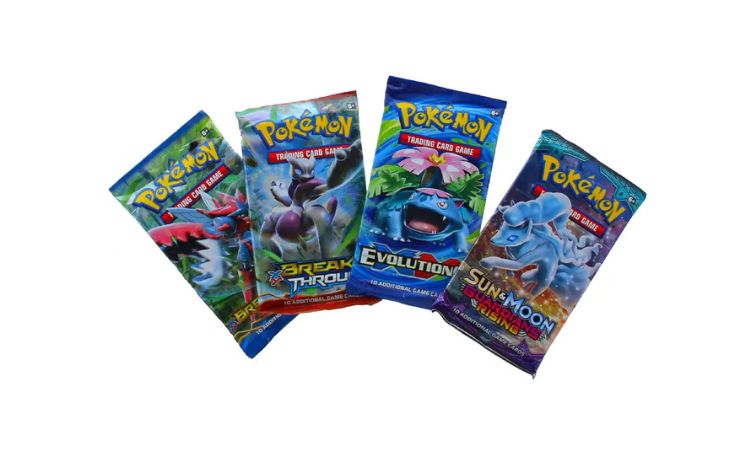
At its core, a pack of Pokémon cards—commonly called a booster pack—is a sealed foil package that contains a random assortment of trading cards from a particular set. These packs are designed to give players and collectors an opportunity to expand their collections, discover new cards, and chase after rarities that add excitement and value.
A standard English booster pack generally contains 10 cards plus a code card (used for the digital game), though some sets may include 11 cards. Inside, the cards are carefully stacked, with one slot often reserved for a rare card and another for a reverse holographic card. Japanese packs typically contain 5 or 7 cards, making them lighter in weight but equally exciting in content.
The packaging itself is part of the experience. The outer layer is made of a thin metallic foil designed to be both tamper-evident and visually appealing, showcasing artwork that represents the featured Pokémon of that set. Inside, the cards are protected from dust and moisture until opened. Some packs, like blister packs, also include promo cards or coins packaged in plastic, adding to the overall weight and presentation.
Since their debut in 1996 in Japan, Pokémon booster packs have been a staple of the franchise. Early sets like Base Set and Jungle are now legendary in the collecting world, with sealed packs commanding premium prices. Today, packs serve multiple purposes: casual players open them for fun, competitive players use them to expand decks, collectors chase rare prints, and investors keep them sealed as valuable assets.
In short, a Pokémon card pack is more than just wrapping and paper—it’s a carefully curated product combining art, design, mystery, and value.
Types of Pokémon Card Packs
Not all Pokémon packs are the same, and this variety directly affects weight. Understanding the types of packs available helps collectors appreciate why some weigh more than others.
1. Standard Booster Pack
This is the most common pack sold at retail. In English sets, it contains 10–11 cards plus a code card, wrapped in foil packaging. They weigh around 23 grams on average.
2. Blister Packs
Blister packs include one or more booster packs sealed in plastic, often accompanied by a promo card and a metallic coin. The extra packaging and additional card increase the total weight significantly, often bringing it to 35–40 grams.
3. Elite Trainer Box Packs
Elite Trainer Boxes (ETBs) are collector sets that contain multiple booster packs—usually eight—along with sleeves, dice, counters, and a guide. Each booster pack inside weighs the same as a standard pack (around 23 grams), but the overall box weight is much heavier.
4. Japanese Booster Packs
Japanese packs are different. They typically contain only 5 or 7 cards, making them noticeably lighter at 10–15 grams per pack. Despite their lighter weight, they remain popular because of unique designs and exclusives often released first in Japan.
5. Special Edition Packs
Some sets are released with jumbo cards or special promo inserts, resulting in oversized packaging. These packs often weigh 50 grams or more, depending on the extras included. While they’re not used for official gameplay, they’re valuable for collectors.
Each type of pack comes with its own structure and materials, and those differences are reflected in weight. Collectors often pay close attention to these details when analyzing sealed products.
How Much Does a Pack of Pokémon Cards Weigh?
On average, a standard English Pokémon booster pack weighs about 23 grams, which equals 0.023 kilograms or 0.050 pounds. This consistency holds true across most modern sets, including Sword & Shield and Scarlet & Violet.
Japanese booster packs are lighter, averaging between 10–15 grams, since they contain fewer cards. Their lighter weight makes them easier to distinguish from English packs even before opening.
Blister packs, which include promo cards and coins in addition to a booster, typically weigh 35–40 grams. The plastic packaging and additional materials contribute to this added weight.
Special edition or jumbo promo packs weigh even more, often 50 grams or more, since they include oversized cards, multiple packs, or extra inserts.
The variation in weight between packs comes down to three main factors: the number of cards inside, whether foil or holographic cards are included, and the packaging materials used. While the differences may seem small, they are significant enough for collectors to use scales when assessing packs.
This is also why “pack weighing” has become a controversial practice—some collectors attempt to identify packs with heavier weights in hopes of finding rarer cards.
Comparison Table of Pokémon Card Pack Weights
| Pack Type / Category | Average Weight (grams / pounds / kg) | Features | Cost (approx.) | Notes |
|---|---|---|---|---|
| Standard Booster Pack (EN) | 23 g / 0.050 lb / 0.023 kg | 10–11 cards, foil wrap | $4–6 | Most common retail pack |
| Japanese Booster Pack | 10–15 g / 0.022–0.033 lb / 0.010–0.015 kg | 5–7 cards, thinner wrap | $2–4 | Smaller, lighter packs |
| Blister Pack | 35–40 g / 0.077–0.088 lb / 0.035–0.040 kg | Promo card + coin + booster | $6–10 | Heavier due to extras |
| Elite Trainer Box Pack | 23 g / 0.050 lb / 0.023 kg per pack | Sealed within collector’s box | $40–50 per box | Same weight as boosters |
| Jumbo Promo Pack | 50+ g / 0.11 lb / 0.050 kg | Oversized promo + booster | $10–20 | Collectible, non-playable |
Basics of a Pack of Pokémon Cards Weight
When we talk about pack weight, it’s useful to think in terms of AP (as packaged) weight and EP (effective perceived) weight. AP weight refers to the exact physical measurement of a sealed pack. EP weight, however, comes into play once the pack is opened, when collectors compare the weight of the cards themselves without packaging.
Official Pokémon packs are manufactured with strict consistency. Still, small differences occur due to foil application or print variations. A typical weight tolerance is about +/- 0.5 grams, meaning two packs from the same box might differ slightly while still being authentic.
This tolerance is important because counterfeit packs often fall outside these ranges. Fake cards may be made of inferior cardstock or incorrectly printed foil, which results in noticeable weight differences. For this reason, experienced collectors sometimes rely on weight as part of authenticity checks.
Uniformity is one of the hallmarks of genuine Pokémon packs. Knowing the baseline weight of a pack helps collectors detect when something feels off, making weight a small but important detail in the broader collecting experience.
Factors Influencing a Pack of Pokémon Cards Weight
Several elements can influence the weight of a Pokémon card pack:
- Number of Cards – English packs typically contain 10–11 cards, while Japanese packs have only 5–7. Fewer cards naturally reduce weight.
- Foil or Holographic Cards – Cards with foil stamping weigh slightly more. A holo rare can add fractions of a gram, enough to influence sealed pack weight.
- Packaging Materials – Blister packs with plastic casing and coins weigh significantly more than simple foil boosters.
- Insert Materials – Some packs contain promo cards or code cards that alter the overall weight.
- Regional Differences – Japanese cards often use different cardstock, slightly affecting total weight.
- Environmental Conditions – Cards stored in humid environments can absorb moisture, making packs heavier.
These factors combine to create variations that collectors and graders must account for. While the differences may be subtle, they’re critical when evaluating authenticity or predicting pack content.
Why a Pack of Pokémon Cards Weight Matters
Weight isn’t just a fun trivia fact—it has real importance in the Pokémon community.
- Authenticity: Genuine packs fall within strict weight ranges. Packs that feel significantly lighter or heavier may be counterfeit or tampered with.
- Pack Weighing: Some collectors use scales to detect packs that may contain rarer foil cards, though this practice is often discouraged.
- Grading and Collecting: Sealed packs graded by PSA or other services undergo weight checks to confirm authenticity.
- Shipping and Trading: Weight plays a role in determining postage costs, especially for bulk orders or international shipping.
- Condition Tracking: If a pack feels unusually light or heavy, it may indicate tampering or resealing, making weight a tool for spotting red flags.
In short, weight matters because it ties directly into authenticity, value, and the collector’s experience.
How Much Does a Pack of Pokémon Cards Cost?
The cost of a pack depends on the type, region, and rarity of the set.
- Standard Booster Packs: $4–6 in most retail stores.
- Japanese Booster Packs: $2–4, reflecting fewer cards per pack.
- Blister Packs: $6–10 due to promo cards and packaging.
- Elite Trainer Boxes: $40–50, containing multiple booster packs.
- Special Editions or Collector Packs: $10–20+.
- Vintage Packs (e.g., Base Set): Hundreds or even thousands of dollars, depending on condition and set.
While weight itself doesn’t dictate cost, knowing standard weights helps confirm whether a pack is authentic before purchasing, especially when dealing with high-value sealed products.
Standard Dimensions / Height of a Pack of Pokémon Cards
A Pokémon pack’s dimensions are designed to house standard cards consistently.
- English Booster Packs: Contain 6.3 × 8.9 cm cards, snugly wrapped in foil.
- Japanese Packs: Slightly smaller due to fewer cards but similar in card dimensions.
- Blister and Jumbo Packs: Larger due to plastic casing or oversized promos.
This consistency ensures cards from any region or set fit seamlessly into official gameplay and collecting binders. Dimensional accuracy also acts as a quality check—packs with unusual sizing may be counterfeit.
Applications and Uses of a Pack of Pokémon Cards
A pack of Pokémon cards serves multiple purposes:
- Gameplay Expansion: Players open packs to add new cards to their decks.
- Collecting: Fans chase complete sets, rare holos, or full-art cards.
- Investment: Sealed packs appreciate over time, especially vintage sets.
- Trading: Packs and cards are exchanged among collectors worldwide.
- Gifting: Packs are popular presents, offering both fun and value.
These uses highlight why packs hold significance beyond the simple joy of opening them.
How to Choose a Pack of Pokémon Cards Based on Weight
Some collectors attempt to weigh packs to predict whether they contain rare holo cards. Heavier packs are sometimes associated with increased chances of rare pulls. However, manufacturers now include code cards and adjusted packaging to counteract this practice, making weighing less reliable.
The best approach is to focus on authenticity and rarity of the set rather than relying solely on weight. Use scales as an additional tool, especially when checking for fakes, but remember that the true value lies in the condition, rarity, and desirability of the cards inside.
Conclusion
A standard English Pokémon booster pack weighs about 23 grams / 0.050 pounds / 0.023 kg, while Japanese packs average 10–15 grams. Blister packs, Elite Trainer Box packs, and special editions weigh more due to added packaging or promo cards.
Though the weight differences are small, they carry major significance in collecting. Weight helps confirm authenticity, detect counterfeits, and guide collectors in their decisions. Whether you’re a casual fan or a seasoned investor, understanding pack weight adds another layer of appreciation to the Pokémon hobby.
Fun Facts
- A booster pack weighs about the same as a slice of bread.
- Japanese packs are lighter because they contain fewer cards.
- Some vintage sealed packs sell for thousands despite weighing under 25 grams.
- Manufacturers now add code cards partly to balance pack weight and prevent weighing.
- Jumbo promo packs can weigh 2–3 times more than a standard booster.