
When it comes to strength training, one of the most common exercises performed is the bench press. It’s a staple in building upper body strength, engaging muscles like the chest, triceps, and shoulders.
But before you can focus on lifting heavy, it’s essential to understand the fundamental piece of equipment involved: the bench press bar. While many people are familiar with adding weight plates to the bar, few consider how much the bar itself weighs.
Whether you’re a beginner just getting into weightlifting or an advanced lifter fine-tuning your performance, knowing the weight of your bench press bar is crucial for ensuring proper technique, adjusting your workout load, and tracking your progress.
In this article, we will explore everything you need to know about bench press bars, from what they are and how much they weigh to the factors that influence their weight. By the end, you’ll have a deeper understanding of this key piece of gym equipment and how to use it effectively in your training.
What Is a Bench Press Bar?
A bench press bar is a cylindrical barbell that is designed specifically for strength training exercises, particularly the bench press. The primary function of the bench press bar is to support weight plates at either end, which you lift in a controlled, back-and-forth motion to build strength in the upper body.
Generally, a bench press bar is made of steel for strength and durability. They vary in length, diameter, and weight, depending on their intended use, whether that’s general weightlifting, powerlifting, or Olympic lifting.
While the bar itself is crucial for the mechanics of the bench press, the weight of the bar plays a significant role in the overall load you’re lifting. Knowing the weight of the bar is essential for keeping track of how much weight you’re pressing and ensuring proper technique during your lifts.
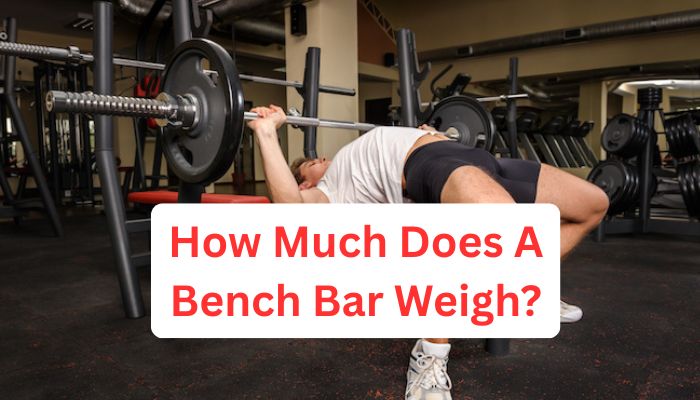
How Much Does a Bench Press Bar Weigh?
The weight of a bench press bar varies based on its type and design. There are three main types of bench press bars commonly found in gyms: standard bars, Olympic bars, and specialty bars. Each type has its own specific weight, and understanding these differences is key to choosing the right bar for your workout.
1. Standard Bench Press Bar
- Weight: 25–35 pounds (11.3–15.8 kg)
- Length: Usually 5 to 6 feet (1.5–1.8 meters)
- Common Uses: This type of bar is commonly found in home gyms or for general fitness purposes. It’s the most affordable option but doesn’t offer the same durability as Olympic bars.
2. Olympic Barbell
- Weight: 45 pounds (20.4 kg) for men, 33 pounds (15 kg) for women
- Length: Typically 7.2 feet (2.2 meters)
- Common Uses: Olympic barbells are the standard in most commercial gyms and competitions. They are built to withstand heavy loads and offer superior performance for Olympic lifting and strength training.
3. Specialty Bars (Women’s Olympic Bars, Junior Bars, etc.)
- Weight: Typically 33 pounds (15 kg) for women’s Olympic bars, but variations exist for juniors or lighter lifters.
- Length: Usually around 7.2 feet (2.2 meters) for women’s Olympic bars, but this can vary for other types of specialty bars.
- Common Uses: These bars are specifically designed for women or younger athletes, as they offer a lighter starting weight to accommodate different lifting capacities.
Comparison Table of Bench Press Bar Weights
| Bar Type | Weight (Men) | Weight (Women) | Length | Common Use |
|---|---|---|---|---|
| Standard Barbell | 25–35 lbs (11.3–15.8 kg) | N/A | 5-6 feet | Home gyms, beginner use |
| Olympic Barbell | 45 lbs (20.4 kg) | 33 lbs (15 kg) | 7.2 feet | Competitions, strength training |
| Women’s Olympic Bar | N/A | 33 lbs (15 kg) | 7.2 feet | Female lifters, Olympic use |
Basics of a Bench Press Bar Weight
Standard Weight for Olympic Bars
An Olympic barbell, which is the most commonly used type in competitions, weighs 45 lbs (20.4 kg). This is considered the standard weight, and it’s designed to be the benchmark for lifting in professional settings. For women, Olympic bars typically weigh 33 lbs (15 kg), providing a lighter starting weight for those who need it.
Material
Most bench press bars are made from steel, which provides the necessary strength and durability. The specific type of steel used, such as stainless or alloy steel, can impact the weight and the bar’s ability to handle heavy loads. Higher-end bars are often made from steel that can endure more wear and tear without compromising performance.
Knurling
Knurling refers to the textured pattern on the grip area of the barbell. It does not affect the overall weight but is essential for providing a secure grip during lifting. Proper knurling helps prevent slipping, especially when lifting heavy loads, making it a key feature for effective and safe lifting.
Factors That Influence a Bench Press Bar’s Weight
While the weight of a bench press bar is generally standardized for most types, several factors can influence how much a specific bar weighs:
Material Quality
The type of material used to construct the bar can slightly affect its weight. Some bars are coated with materials like chrome, zinc, or ceramic, which can add a minimal amount of weight but improve the bar’s durability and resistance to rust.
Bar Length and Diameter
Olympic bars tend to be longer (7.2 feet) and thicker (2-inch sleeve diameter) than standard bars, which makes them heavier. Standard bars are typically shorter (5 to 6 feet) and have a smaller diameter (1 inch), contributing to their lighter weight. These design variations can make a significant difference in how much the bar weighs and how it performs during lifting.
Coatings and Design Features
Certain coatings, such as black oxide or ceramic, might add a slight increase in the bar’s overall weight. Additionally, specialty bars like Swiss bars or cambered bars may be lighter or heavier than standard Olympic bars due to unique design features that cater to different lifting techniques or body types.
Why Does a Bench Press Bar’s Weight Matter?
Tracking Progress
Knowing the weight of your bench press bar is critical for tracking your lifting progress. As you add weight plates to the bar, you need to account for the bar’s weight to ensure that you’re lifting the right amount. For example, if you’re pressing a total of 135 lbs and you’re using an Olympic bar, the weight plates are only adding 90 lbs since the bar weighs 45 lbs.
Lifting Safety
If you’re unsure of how much the bar weighs, you risk overloading it with more weight than you can handle. Lifting without an accurate understanding of your bar’s weight can lead to poor form, potential injuries, or overexertion.
Workout Adjustments
Knowing the exact weight of the bar allows you to make precise adjustments in your workout. It ensures you’re progressively increasing your load in a controlled and measurable manner, leading to optimal strength gains without compromising safety.
Other Important Things Related to Barbell Weight
Barbell Load Capacity
The load capacity of a barbell refers to the maximum weight the bar can safely hold. Standard Olympic bars can generally support a load of around 1000 lbs (453.6 kg) or more, while lighter bars may have a lower capacity. It’s important to consider the weight limit of your bar to avoid damaging it during heavy lifts.
Adjustable Weight Plates
While the barbell’s weight is a crucial part of your total lift, the weight plates are just as important. Adjustable weight plates allow you to tailor your workout to your strength level and training goals. Whether you’re increasing the weight gradually or doing higher-rep sets with lighter loads, the ability to add and remove plates provides flexibility in your training routine.
Dimensions of a Bench Press Bar
Length
Standard Olympic bars are typically 7.2 feet (2.2 meters) long, providing enough space for weight plates and ensuring that the grip area is suitable for proper hand placement during lifts.
Diameter
The standard diameter for Olympic bars is 2 inches (50 mm) for the sleeves, where the weight plates are loaded. The grip area is generally around 1 inch in diameter, ensuring comfort and proper hand positioning during lifts.
Grip Area
The knurled grip section usually spans about 4.3 feet (1.3 meters) on an Olympic bar, giving lifters plenty of room to adjust their hand placement depending on their preferred grip.
How Much Does a Bench Press Bar Cost?
The price of a bench press bar can vary significantly based on the type, material, and design features.
Standard Bars
Standard bars typically cost between $50 and $150. They’re commonly used in home gyms for general fitness and are less expensive than Olympic bars.
Olympic Bars
For a high-quality Olympic bar, expect to pay between $200 and $500. These bars are built for heavy-duty use, making them ideal for commercial gyms, competitions, and serious weightlifting athletes.
Women’s Olympic Bars
Women’s Olympic bars generally range from $150 to $300, designed specifically for female lifters with a lighter weight and smaller grip diameter.
Conclusion
Understanding the weight of your bench press bar is essential for effective and safe strength training. Whether you’re using a standard bar, an Olympic bar, or a specialty bar, knowing the correct weight helps you track your progress, adjust your workout accordingly, and ensure your safety during lifts. Take into consideration the material, length, diameter, and coating of the bar when selecting one that fits your needs.
By knowing the ins and outs of bench press bar weights, you can optimize your training routine, set achievable goals, and avoid injuries. Whether you’re a beginner or an experienced lifter, a good understanding of your equipment is key to success in the gym.
Fun Facts About Bench Press Bars
>>The Olympic bar was standardized at 45 lbs (20.4 kg) for simplicity in competition, making calculations easier for athletes.
>>Swiss bars, a type of specialty bar, allow for multiple grip positions, which can help reduce shoulder strain during pressing movements.
>>The diameter of the barbell is specifically designed for a secure hand grip and varies between Olympic and standard bars.
>>Some high-end Olympic bars are precision-engineered to offer improved strength, control, and performance during heavy lifts, making them ideal for serious athletes.